


SCARS Institute’s Encyclopedia of Scams™ Published Continuously for 25 Years
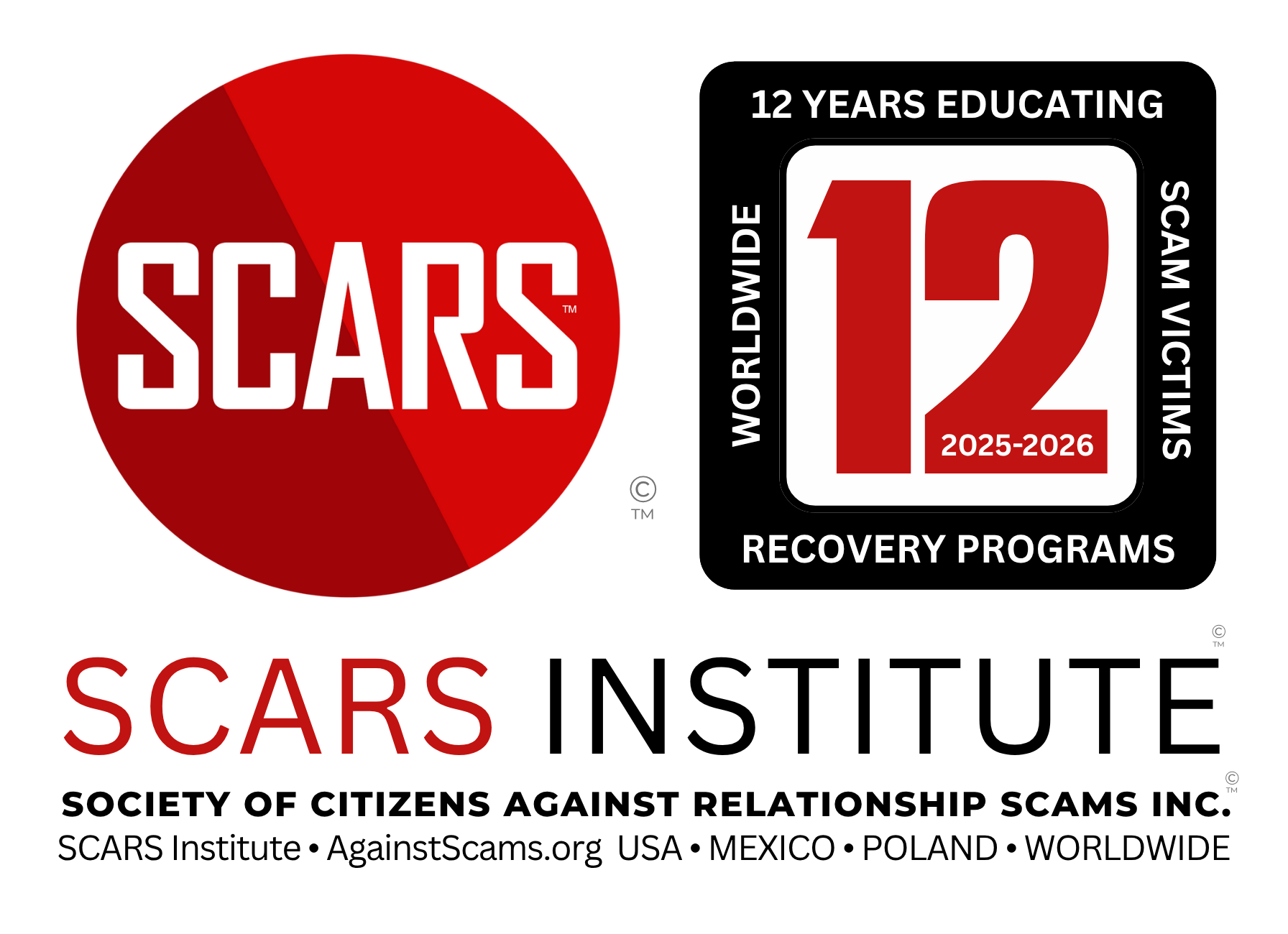

URGENT SCAM WARNING: Southern California – Los Angeles Wildfire Evacuation Scams
SCAM WARNING ALERT: Scams Targeting Those Evacuating from Southern California/Los Angeles and Their Families are Exploding
SCAM WARNING – Presented by the SCARS Institute
Author:
• SCARS Institute Encyclopedia of Scams Editorial Team – Society of Citizens Against Relationship Scams Inc.
Article Abstract
SCAM WARNING ALERT: Scammers Exploit Southern California Wildfire Evacuations: As 180,000 people face evacuation from the Southern California wildfires, scammers are exploiting the chaos with fraudulent schemes targeting victims and their families. Common scams include grandparent/emergency scams, where callers pose as distressed relatives needing urgent financial help; fire-related text message scams, which use malicious links disguised as evacuation updates or donation requests; and email scams, offering fake insurance or disaster relief services. These scams leverage emotional manipulation, urgency, and official-sounding language to deceive victims into sharing sensitive information or transferring money.
To stay safe, only rely on verified sources for updates, never share personal information with unknown contacts, and verify requests for assistance directly with loved ones. Authorities urge people to report suspicious activity and to avoid clicking links or answering unsolicited texts soliciting donations.
For those wanting to help wildfire victims, donate only to legitimate organizations like the American Red Cross, United Way of Greater Los Angeles, California Fire Foundation, or the California Community Foundation. Verify any charity through official resources provided by the California Attorney General or Secretary of State. By staying vigilant and informed, we can stop scammers from exploiting this emergency and support those genuinely in need. Share this alert to protect your community!
SCAM WARNING ALERT: Scams Targeting Those Evacuating from Southern California/Los Angeles Wildfires and Their Families are Exploding
180,000 Evacuated in Southern California Who Are Now Being Targeted by Scams!
In the wake of mass evacuations affecting Southern California and Los Angeles Wildfire victims, scammers are exploiting the chaos and fear to launch fraudulent campaigns. These scams target vulnerable individuals, often posing as emergency services, insurance providers, or loved ones in distress.
COMMON SCAMS TO WATCH FOR
1. Grandparent & Emergency Scams
- How it works: Scammers call posing as a grandchild, family member, or friend, claiming to be in immediate danger or needing financial help due to the evacuation.
- Tactics used: Emotional manipulation and urgency to pressure you into sending money quickly via wire transfers, gift cards, or payment apps.
- What to do: Verify the caller’s identity by contacting your loved one directly or asking personal questions only they would know. Never send money or share financial details without verification.
2. Fire-Related Text Message Scams
- How it works: You may receive a text claiming to provide evacuation updates, emergency aid, or donations for fire victims. These messages often include malicious links.
- Tactics used: Official-sounding language and urgent prompts like “Click here for immediate evacuation info” or “Donate now to help victims.”
- What to do: Avoid clicking on links from unknown numbers. Get official updates from verified sources like local government websites or emergency alert systems.
3. Email Scams Offering Insurance-Related Services
- How it works: Fraudulent emails claim to offer expedited insurance claims, disaster relief funds, or property repair services.
- Tactics used: Fake forms, phishing links, or requests for sensitive information like Social Security numbers or bank details.
- What to do: Contact your insurance company directly through their verified phone number or website. Never provide personal information via email.
Tips To Stay Safe:
- Trust Only Verified Sources: Get information from official government and emergency services websites.
- Don’t Share Personal Information: Be cautious of anyone asking for sensitive details over the phone, via text, or email.
- Verify Before Acting: Call friends or family directly to confirm any claims of emergency assistance or distress.
- Report Suspicious Activity: Contact local authorities or the Federal Trade Commission (FTC) to report scams.
Share This Alert!
Help protect your community by spreading the word. Together, we can stop scammers from exploiting those affected by this disaster. Stay safe and informed!
How to Donate to California Los Angeles Wildfire Victims Safely
Courtesy of Money.com
Following the state of emergency declaration on Tuesday, California Attorney General Rob Bonta issued an alert, reminding residents of the state’s anti-price gouging rules during emergencies and warning donors to stay vigilant when trying to lend a helping hand.
“Your first level of defense is your own instincts,” Bonta said during a CBS Los Angeles interview on Wednesday. “If something doesn’t feel right, it probably isn’t.”
Bonta added that you should never answer random texts that are soliciting donations. He said you should only donate to organizations that you have confirmed that are legitimate, using tools such as ones provided by the California Attorney General and Secretary of State offices to help you verify the legitimacy of any aid organization operating in the state.
The large size of these government databases — which include roughly 150,000 nonprofits that are cleared to operate in the state — make them less than useful for selecting an organization, but they can be a valuable resource for verifying that one is in good standing
If you want to help but aren’t sure where to start, here are several reputable organizations providing wildfire relief.
American Red Cross
The American Red Cross, one of the nation’s most well-known nonprofit disaster-relief organizations, confirmed Wednesday that it’s sending teams “on the ground” to support victims of the ongoing wildfires in the region.
The organization says you can support its efforts by visiting redcross.org, calling 1-800-RED CROSS (800-733-2767) or texting REDCROSS to 90999.
United Way of Greater Los Angeles
The greater Los Angeles branch of the nonprofit United Way has a dedicated Wildlife Response Fund to assist with long-term recovery efforts in the area such as providing shelter, assistance paying bills and health services.
The organization accepts donations online at unitedwayla.org.
California Fire Foundation
The nonprofit California Fire Foundation provides emotional and financial assistance to communities affected by fires, firefighters and families of fallen firefighters.
The organization says it is assisting with relief efforts amid the ongoing wildfires by “working with local fire agencies and community-based organizations to provide direct financial support to impacted residents.”
The California Fire Foundation is accepting wildfire relief donations through this online form.
California Community Foundation
The Los Angeles-based nonprofit California Community Foundation provides financial support to fund long-term recovery and assistance efforts. The organization says its Wildfire Recovery Fund provides aid to the most marginalized and vulnerable members of the affected communities.
Wildfire relief donations are accepted online via this page or by checks mailed to:
California Community Foundation
717 W Temple St.
Los Angeles, CA 90012.
Include “Wildfire Recovery Fund” in the memo.
-/ 30 /-
What do you think about this?
Please share your thoughts in a comment below!
Table of Contents
- SCAM WARNING ALERT: Scams Targeting Those Evacuating from Southern California/Los Angeles and Their Families are Exploding
- Article Abstract
- SCAM WARNING ALERT: Scams Targeting Those Evacuating from Southern California/Los Angeles Wildfires and Their Families are Exploding
- 180,000 Evacuated in Southern California Who Are Now Being Targeted by Scams!
- COMMON SCAMS TO WATCH FOR
- 1. Grandparent & Emergency Scams
- 2. Fire-Related Text Message Scams
- 3. Email Scams Offering Insurance-Related Services
- Tips To Stay Safe:
- Share This Alert!
- How to Donate to California Los Angeles Wildfire Victims Safely


Rapid Report Scammers

In the U.S. & Canada
U.S. & Canada Suicide Lifeline 988
LEAVE A COMMENT?
Recent Comments
On Other Articles
- Wendy Guiher on 15 Things That Nearly Every Online and Phone Scams Have In Common – 2026: “Very concise, direct information. When I look back on the crime against me I now can see ALL of the…” Apr 1, 06:24
- on The Danger of Using AI in Law Enforcement – The Grandmother Wrongly Arrested as a Fraudster – 2026: “Excellent article – I can’t imagine the terror Angela most certainly experienced. Compound this with the lack of accountability by…” Mar 24, 09:20
- on The Crazy Gregor MacGregor and the Country of Poyais Scam – History of Scams – 2026: “interesting” Mar 23, 19:24
- on BEC Fraud Reaches $43 Billion Per Year: “oh my gosh so much of an increase in the fraud I pray the officials can continue tracking and make…” Mar 23, 15:09
- on Establishing The United States Task Force To Eliminate Fraud – 2026: “Make Online Safe Again!” Mar 17, 19:11
- on Establishing The United States Task Force To Eliminate Fraud – 2026: “Finally an administration takes the initiative to help solve the gigantic situation. Make America Safe Again, thank you!” Mar 17, 15:41
- on What Is The Difference Between A Scam Victim And A Scam Survivor? [Updated]: “Due to my scams I don’t fully trust anyone online and I shouldn’t even those people I knew in high…” Mar 7, 12:46
- on SCARS 3 Steps For New Scam Victims 2024: “I was very fearful “he” would come to my home because I was knew my address, I spoke to someone…” Mar 7, 09:50
- on Sadness & Scam Recovery: “Before my scam, my mom passed away and I got a divorce, so I was dealing with the loss of…” Mar 7, 09:37
- on The Story Of Kira Lee Orsag (aka Dani Daniels) [Updated]: “There is NO evidence and she is not, she is a victim too. Sebastian, stop letting your anger think for…” Mar 6, 23:18
ARTICLE META
Important Information for New Scam Victims
- Please visit www.ScamVictimsSupport.org – a SCARS Website for New Scam Victims & Sextortion Victims
- Enroll in FREE SCARS Scam Survivor’s School now at www.SCARSeducation.org
- Please visit www.ScamPsychology.org – to more fully understand the psychological concepts involved in scams and scam victim recovery
If you are looking for local trauma counselors please visit counseling.AgainstScams.org or join SCARS for our counseling/therapy benefit: membership.AgainstScams.org
If you need to speak with someone now, you can dial 988 or find phone numbers for crisis hotlines all around the world here: www.opencounseling.com/suicide-hotlines
A Note About Labeling!
We often use the term ‘scam victim’ in our articles, but this is a convenience to help those searching for information in search engines like Google. It is just a convenience and has no deeper meaning. If you have come through such an experience, YOU are a Survivor! It was not your fault. You are not alone! Axios!
A Question of Trust
At the SCARS Institute, we invite you to do your own research on the topics we speak about and publish, Our team investigates the subject being discussed, especially when it comes to understanding the scam victims-survivors experience. You can do Google searches but in many cases, you will have to wade through scientific papers and studies. However, remember that biases and perspectives matter and influence the outcome. Regardless, we encourage you to explore these topics as thoroughly as you can for your own awareness.
Statement About Victim Blaming
SCARS Institute articles examine different aspects of the scam victim experience, as well as those who may have been secondary victims. This work focuses on understanding victimization through the science of victimology, including common psychological and behavioral responses. The purpose is to help victims and survivors understand why these crimes occurred, reduce shame and self-blame, strengthen recovery programs and victim opportunities, and lower the risk of future victimization.
At times, these discussions may sound uncomfortable, overwhelming, or may be mistaken for blame. They are not. Scam victims are never blamed. Our goal is to explain the mechanisms of deception and the human responses that scammers exploit, and the processes that occur after the scam ends, so victims can better understand what happened to them and why it felt convincing at the time, and what the path looks like going forward.
Articles that address the psychology, neurology, physiology, and other characteristics of scams and the victim experience recognize that all people share cognitive and emotional traits that can be manipulated under the right conditions. These characteristics are not flaws. They are normal human functions that criminals deliberately exploit. Victims typically have little awareness of these mechanisms while a scam is unfolding and a very limited ability to control them. Awareness often comes only after the harm has occurred.
By explaining these processes, these articles help victims make sense of their experiences, understand common post-scam reactions, and identify ways to protect themselves moving forward. This knowledge supports recovery by replacing confusion and self-blame with clarity, context, and self-compassion.
Additional educational material on these topics is available at ScamPsychology.org – ScamsNOW.com and other SCARS Institute websites.
Psychology Disclaimer:
All articles about psychology and the human brain on this website are for information & education only
The information provided in this article is intended for educational and self-help purposes only and should not be construed as a substitute for professional therapy or counseling.
While any self-help techniques outlined herein may be beneficial for scam victims seeking to recover from their experience and move towards recovery, it is important to consult with a qualified mental health professional before initiating any course of action. Each individual’s experience and needs are unique, and what works for one person may not be suitable for another.
Additionally, any approach may not be appropriate for individuals with certain pre-existing mental health conditions or trauma histories. It is advisable to seek guidance from a licensed therapist or counselor who can provide personalized support, guidance, and treatment tailored to your specific needs.
If you are experiencing significant distress or emotional difficulties related to a scam or other traumatic event, please consult your doctor or mental health provider for appropriate care and support.
Also read our SCARS Institute Statement about Professional Care for Scam Victims – click here to go to our ScamsNOW.com website.

Thank you for your comment. You may receive an email to follow up. We never share your data with marketers.