

SCARS Institute’s Encyclopedia of Scams™ Published Continuously for 25 Years

Learn about reporting at reporting.AgainstScams.org
Rental Property Scams & Lease Property Scams Have Become Epidemic In Most Modern Countries Because Of The Spread Of Online Listings!
Finding rental properties online has become a double-edged sword because Rental Property Scams / Lease Property Scams are everywhere now.
Online rental and leasing platforms provide tenants with more options and ease of access, they have also given rise to rental property scams that can leave victims financially devastated and emotionally distraught. This article will delve into how these scams lure their victims, how they work, and provide tips on how to spot and avoid them.
Rental Property Scams are Devastating!
There is nothing worse than renting a new home or vacation property, only to arrive ready to move in and find that it was all a scam. The excitement of finding a new place to live or the anticipation of a relaxing vacation is quickly replaced by disappointment, anger, and frustration.
Victims of rental property scams often lose thousands of dollars in deposits and other upfront fees. They may also have to pay for travel and accommodation while they scramble to find a new place to stay. In addition to the financial losses, rental property scams can also have a significant emotional impact on victims.
Imagine arriving at your new home, only to find that the door is locked and you can’t enter. You call the landlord, but they don’t answer. You realize that you’ve been scammed.
Or, imagine arriving at your vacation rental, only to find that it’s no match the photos in the listing or not even real. You call the property manager, but they don’t answer. You’re stuck away from home with nowhere to stay.
Rental property scams can be devastating for victims. They can lead to financial hardship, stress, and anxiety. In some cases, victims may even be at risk for human trafficking.
What are common Rental Property Scams / Lease Property Scams?
Rental Property Scams and lease property scams are becoming increasingly common, as scammers take advantage of the high demand for housing and the increasing popularity of online rental listings. Here are some of the most common rental property scams to be aware of:
- Fake listings: Rental property Scammers create fake online rental listings for properties that do not exist or that are not available to rent. They often use stolen photos and descriptions from real listings, and they may offer the property at an unusually low price. When a potential tenant contacts the scammer, the scammer demands a deposit or security deposit before allowing the tenant to view the property. Once the tenant has paid the money, the scammer disappears.
- Duplicate listings: Rental property Scammers copy and paste real rental listings onto their own websites or social media pages. They may change the contact information or the price of the property, but the listing will otherwise be identical to the real listing. When a potential tenant contacts the scammer, the scammer requests a deposit or security deposit before allowing the tenant to view the property. Once the tenant has paid the money, the scammer disappears.
- Bait and switch: Rental property Scammers advertise a rental property at an attractive price, but when potential tenants show up to view the property, they are shown a different property that is in poor condition or is located in a less desirable area. The scammer may then pressure the tenants to sign a lease for the different property.
- Upfront fees: Rental property Scammers may demand upfront fees from potential tenants, such as application fees, credit check fees, or move-in fees. These fees are often excessive and may not be refundable, even if the tenant is not approved for the rental property.
- Lease termination fees: Rental property Scammers may include hidden fees in the lease agreement, such as early termination fees or pet fees. These fees can be very expensive and can make it difficult for tenants to move out of the rental property early.
Luring Victims of Rental Property Scams & Lease Property Scams
Victims of rental property scams are lured in a variety of ways, but some of the most common methods include:
- Online listings: Rental propertyScammers often post fake or duplicate rental listings on popular websites such as Craigslist, Facebook, and Zillow. These listings may offer low prices or desirable locations, and they may include stolen photos and descriptions of real properties. When potential renters contact the scammer, the scammer may request a deposit or security deposit before allowing the renter to view the property.
- Social media: Rental propertyScammers may also use social media to target potential victims. They may create fake profiles or join rental groups and post fake listings or send direct messages to potential renters. Scammers may also use social media to impersonate real landlords or property managers.
- Personal connections: Rental propertyScammers may also target potential victims through personal connections, such as friends, family members, or coworkers. They may claim to have access to rental properties that are not listed on the market or that are available at discounted prices.
- Cold calls and emails: Rental propertyScammers may also use cold calls and emails to target potential victims. They may claim to have rental properties available in the victim’s desired area or that meet the victim’s specific needs. Scammers may also pressure victims to make a decision quickly before the property is rented to someone else.
Rental property scams are often cleverly disguised, preying on the eagerness of individuals looking for a new place to call home. They employ various tactics to lure victims in:
- Too Good to Be True Listings: Rental propertyScammers post rental listings with attractive features at unbelievably low prices. These listings can include spacious homes, luxurious amenities, and prime locations, all designed to captivate potential renters.
- Urgency and Limited Time Offers: Rental propertyScammers create a sense of urgency by claiming the property is in high demand, pressuring prospective tenants to act quickly. Limited-time offers are also employed to entice victims into making hasty decisions.
- Bait-and-Switch: Some scammers advertise a property, gain the victim’s trust, and then suddenly claim the unit is no longer available. They proceed to offer a different property that, coincidentally, requires a security deposit or advance payment.
How Rental Property Scams Work
These scams generally follow a few common patterns:
- Advanced Fee Scams: In this scheme, victims are asked to pay an upfront fee for various reasons, such as background checks, application processing, or holding the property. After receiving the payment, the scammer disappears, and the rental property does not exist.
- Wire Fraud Scams: Rental property Scammers often request payment through untraceable methods like wire transfers or gift cards. Once the money is transferred, it’s nearly impossible to recover, and the scammer vanishes.
- Stolen Listings: Rental property Scammers copy legitimate rental listings from reputable websites and post them on fake platforms under altered contact details. When victims inquire about the property, they are presented with a fraudulent offer.
- Identity Theft: Victims may be asked to submit sensitive personal information for a background check or rental application. This information can be used for identity theft, causing more than just financial harm.
It gets worse! Rental Property Scams can also lead to Human Trafficking!
Rental property scams in foreign countries can lead to human trafficking in a number of ways.
- One common scenario is that scammers will lure victims to foreign countries with the promise of high-paying jobs or rental opportunities. Once the victims arrive, they are forced to work long hours in dangerous conditions, or they are held captive and forced into prostitution or other forms of sexual exploitation.
- Another scenario is that scammers will use rental properties as fronts for brothels or other trafficking operations. Victims may be lured to the properties under the pretense of renting a room or apartment, but once they arrive, they are forced to work against their will.
Human traffickers often target vulnerable people, such as those who are seeking employment or educational opportunities in foreign countries. They may also target people who are fleeing violence or poverty in their home countries.
Rental property scams can be particularly dangerous for victims because they can leave them isolated and vulnerable. Victims may not speak the local language or be familiar with the local laws and customs. They may also be afraid to come forward to the authorities because they fear being deported or retaliated against by the traffickers.
Here are some examples of how rental property scams have been used to facilitate human trafficking:
- In 2019, a group of Chinese traffickers were arrested in Cambodia for using rental properties to deceive and exploit victims. The traffickers would lure victims to Cambodia with the promise of high-paying jobs, but once the victims arrived, they would be forced to work in online scams or in the sex industry.
- In 2020, a man in Thailand was arrested for using rental properties to traffic women from Myanmar. The man would lure the women to Thailand with the promise of jobs as domestic workers or waitresses, but once the women arrived, they would be forced to work as prostitutes in brothels.
- In 2021, a group of Indian traffickers were arrested in the United Arab Emirates for using rental properties to traffic women from India and Bangladesh. The traffickers would lure the women to the UAE with the promise of jobs as domestic workers or dancers, but once the women arrived, they would be forced to work as prostitutes in brothels.
These are just a few examples of how rental property scams have been used to facilitate human trafficking. It is important to be aware of the dangers of rental property scams, especially when traveling to foreign countries.
Spotting and Avoiding Rental Property Scams
To protect yourself from falling victim to rental property scams, follow these tips:
- Verify the Listing: Cross-reference the listing on multiple reputable websites. If the same property is listed at varying prices or with inconsistent information, it’s a red flag.
- Visit the Property: If possible, visit the property in person. Scammers often provide excuses for why they cannot meet you or show you the property.
- Beware of Unrealistic Prices: If the rental price seems too good to be true for the location or features, exercise caution. Compare it to similar listings in the area.
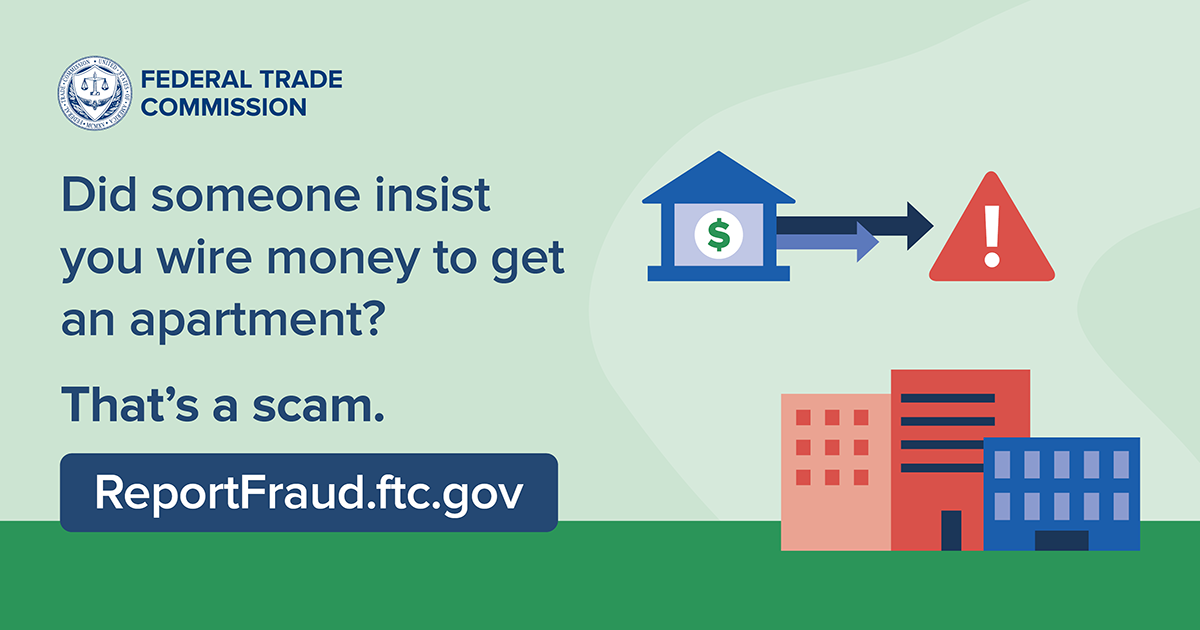
- Don’t Wire Money or Use Gift Cards: Avoid making upfront payments using wire transfers, prepaid debit cards, or gift cards. Legitimate landlords will not ask for these forms of payment.
- Check the Landlord’s Identity: Verify the identity of the landlord or property manager through official channels. Avoid dealing with individuals who refuse to provide proper identification.
- Don’t Share Sensitive Information: Avoid sharing sensitive personal or financial information until you are certain the listing is legitimate.
- Research the Property’s History: Look up the property’s rental history. Legitimate rental properties have a documented history that can be verified.
- Ask for a Written Lease Agreement: Always ask for a written lease agreement that outlines the terms and conditions of the rental. A legitimate landlord will provide this.
- Trust Your Instincts: If something feels off or too rushed, trust your instincts. Take your time and don’t be pressured into quick decisions.
Tips to Avoid Rental Property Scams / Lease Property Scams
It is important to be aware of these scams and to take steps to protect yourself. Here are some tips:
- Only rent from reputable landlords or property management companies. Do your research and read reviews before contacting a landlord or property manager.
- Never pay a deposit or security deposit before viewing the property in person.
- Be wary of listings that offer unusually low prices or that are located in highly desirable areas.
- Read the lease agreement carefully before signing it. Make sure you understand all of the terms and conditions, including any upfront fees or early termination fees.
- If you suspect that you are being scammed, report it to the authorities.
Report these Crimes
If you have been a victim of rental property scams, there are a few things you can do:
- Contact your local police department or consumer protection agency to file a report.
- Try to get your money back. You may be able to do this by filing a chargeback with your credit card company or by notifying your bank.
- Be aware of the red flags of rental scams and take steps to protect yourself in the future.
Learn about reporting at reporting.AgainstScams.org
Please Remember
Rental property scammers are often very skilled at manipulating their victims. They may use emotional appeals, such as pretending to be in need of money or claiming that the property is in high demand, to pressure victims to act quickly. They may also use threats, such as claiming that the victim will miss out on a great deal or that someone else will rent the property if they don’t act quickly, to pressure victims into making a decision.
Rental property scams can have a profound impact on victims, both financially and emotionally. Awareness and vigilance are the best defenses against these fraudulent schemes. By verifying listings, being cautious with payments, and performing due diligence, prospective renters can significantly reduce their risk of falling victim to rental property scams.
Remember, if a rental property deal seems too good to be true, it’s essential to exercise caution, ask questions, and follow the above guidelines to ensure you’re making a safe and legitimate housing choice.
More:
- London renting: ‘We lost £13,000 in a fake agent scam’ – BBC News
- Fake Rental Assistance Scams (romancescamsnow.com)
- Catalog Of Social Engineering Traps, Attacks, And Scams (romancescamsnow.com)
- Scams Targeting College and Graduate Students (romancescamsnow.com)
- After Storms, Watch Out for Scams (romancescamsnow.com)
- Why Scammers Don’t Give Up (scamsnow.com)
- Magical Thinking – How Biased & Delusional Thinking Enslaves Scam Victims (scamsnow.com)
-/ 30 /-
What do you think about this?
Please share your thoughts in a comment below!
Table of Contents
- Understanding The Online Renting Scam Epidemic
- Rental Property Scams & Lease Property Scams Have Become Epidemic In Most Modern Countries Because Of The Spread Of Online Listings!
- Rental Property Scams are Devastating!
- What are common Rental Property Scams / Lease Property Scams?
- Luring Victims of Rental Property Scams & Lease Property Scams
- How Rental Property Scams Work
- It gets worse! Rental Property Scams can also lead to Human Trafficking!
- Spotting and Avoiding Rental Property Scams
- Tips to Avoid Rental Property Scams / Lease Property Scams
- Report these Crimes
- Please Remember
- More:



Rapid Report Scammers

In the U.S. & Canada
U.S. & Canada Suicide Lifeline 988
LEAVE A COMMENT?
Recent Comments
On Other Articles
- Wendy Guiher on 15 Things That Nearly Every Online and Phone Scams Have In Common – 2026: “Very concise, direct information. When I look back on the crime against me I now can see ALL of the…” Apr 1, 06:24
- on The Danger of Using AI in Law Enforcement – The Grandmother Wrongly Arrested as a Fraudster – 2026: “Excellent article – I can’t imagine the terror Angela most certainly experienced. Compound this with the lack of accountability by…” Mar 24, 09:20
- on The Crazy Gregor MacGregor and the Country of Poyais Scam – History of Scams – 2026: “interesting” Mar 23, 19:24
- on BEC Fraud Reaches $43 Billion Per Year: “oh my gosh so much of an increase in the fraud I pray the officials can continue tracking and make…” Mar 23, 15:09
- on Establishing The United States Task Force To Eliminate Fraud – 2026: “Make Online Safe Again!” Mar 17, 19:11
- on Establishing The United States Task Force To Eliminate Fraud – 2026: “Finally an administration takes the initiative to help solve the gigantic situation. Make America Safe Again, thank you!” Mar 17, 15:41
- on What Is The Difference Between A Scam Victim And A Scam Survivor? [Updated]: “Due to my scams I don’t fully trust anyone online and I shouldn’t even those people I knew in high…” Mar 7, 12:46
- on SCARS 3 Steps For New Scam Victims 2024: “I was very fearful “he” would come to my home because I was knew my address, I spoke to someone…” Mar 7, 09:50
- on Sadness & Scam Recovery: “Before my scam, my mom passed away and I got a divorce, so I was dealing with the loss of…” Mar 7, 09:37
- on The Story Of Kira Lee Orsag (aka Dani Daniels) [Updated]: “There is NO evidence and she is not, she is a victim too. Sebastian, stop letting your anger think for…” Mar 6, 23:18
ARTICLE META
Important Information for New Scam Victims
- Please visit www.ScamVictimsSupport.org – a SCARS Website for New Scam Victims & Sextortion Victims
- Enroll in FREE SCARS Scam Survivor’s School now at www.SCARSeducation.org
- Please visit www.ScamPsychology.org – to more fully understand the psychological concepts involved in scams and scam victim recovery
If you are looking for local trauma counselors please visit counseling.AgainstScams.org or join SCARS for our counseling/therapy benefit: membership.AgainstScams.org
If you need to speak with someone now, you can dial 988 or find phone numbers for crisis hotlines all around the world here: www.opencounseling.com/suicide-hotlines
A Note About Labeling!
We often use the term ‘scam victim’ in our articles, but this is a convenience to help those searching for information in search engines like Google. It is just a convenience and has no deeper meaning. If you have come through such an experience, YOU are a Survivor! It was not your fault. You are not alone! Axios!
A Question of Trust
At the SCARS Institute, we invite you to do your own research on the topics we speak about and publish, Our team investigates the subject being discussed, especially when it comes to understanding the scam victims-survivors experience. You can do Google searches but in many cases, you will have to wade through scientific papers and studies. However, remember that biases and perspectives matter and influence the outcome. Regardless, we encourage you to explore these topics as thoroughly as you can for your own awareness.
Statement About Victim Blaming
SCARS Institute articles examine different aspects of the scam victim experience, as well as those who may have been secondary victims. This work focuses on understanding victimization through the science of victimology, including common psychological and behavioral responses. The purpose is to help victims and survivors understand why these crimes occurred, reduce shame and self-blame, strengthen recovery programs and victim opportunities, and lower the risk of future victimization.
At times, these discussions may sound uncomfortable, overwhelming, or may be mistaken for blame. They are not. Scam victims are never blamed. Our goal is to explain the mechanisms of deception and the human responses that scammers exploit, and the processes that occur after the scam ends, so victims can better understand what happened to them and why it felt convincing at the time, and what the path looks like going forward.
Articles that address the psychology, neurology, physiology, and other characteristics of scams and the victim experience recognize that all people share cognitive and emotional traits that can be manipulated under the right conditions. These characteristics are not flaws. They are normal human functions that criminals deliberately exploit. Victims typically have little awareness of these mechanisms while a scam is unfolding and a very limited ability to control them. Awareness often comes only after the harm has occurred.
By explaining these processes, these articles help victims make sense of their experiences, understand common post-scam reactions, and identify ways to protect themselves moving forward. This knowledge supports recovery by replacing confusion and self-blame with clarity, context, and self-compassion.
Additional educational material on these topics is available at ScamPsychology.org – ScamsNOW.com and other SCARS Institute websites.
Psychology Disclaimer:
All articles about psychology and the human brain on this website are for information & education only
The information provided in this article is intended for educational and self-help purposes only and should not be construed as a substitute for professional therapy or counseling.
While any self-help techniques outlined herein may be beneficial for scam victims seeking to recover from their experience and move towards recovery, it is important to consult with a qualified mental health professional before initiating any course of action. Each individual’s experience and needs are unique, and what works for one person may not be suitable for another.
Additionally, any approach may not be appropriate for individuals with certain pre-existing mental health conditions or trauma histories. It is advisable to seek guidance from a licensed therapist or counselor who can provide personalized support, guidance, and treatment tailored to your specific needs.
If you are experiencing significant distress or emotional difficulties related to a scam or other traumatic event, please consult your doctor or mental health provider for appropriate care and support.
Also read our SCARS Institute Statement about Professional Care for Scam Victims – click here to go to our ScamsNOW.com website.


Thank you for your comment. You may receive an email to follow up. We never share your data with marketers.