

Sunk Cost Bias or Chasing The Money – A Cognitive Bias Affecting Scam Victims – 2024

SCARS Institute’s Encyclopedia of Scams™ Published Continuously for 25 Years
- Published: March 30, 2024
- Modified: March 30, 2024
- Comments: 4
- Read Status:
Sunk Cost Bias or Chasing The Money – A Cognitive Bias Affecting Scam Victims
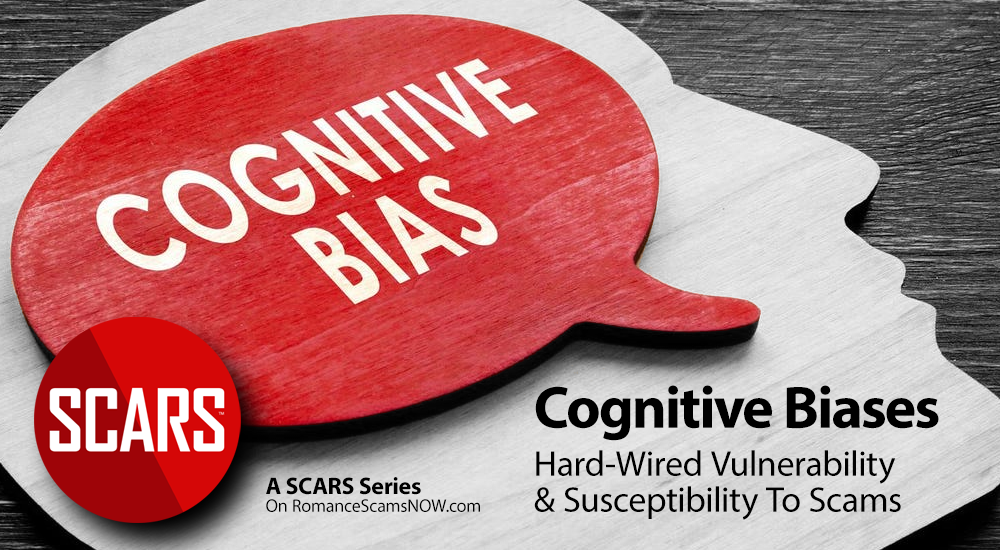
Cognitive Biases Play a Role In Your Vulnerability & Susceptibility To Scams
The Psychology of Scams – A SCARS Insight
Author:
• Tim McGuinness, Ph.D., DFin, MCPO, MAnth – Anthropologist, Scientist, Director of the Society of Citizens Against Relationship Scams Inc.
Originally Published: 2023 – Article Updated: 2024
Article Abstract
Understanding the Sunk Cost Bias, also known as “chasing the money,” is crucial, especially for scam victims. This cognitive bias drives individuals to continue investing resources into failing endeavors, driven by the desire to justify past investments and avoid admitting failure.
Victims of scams are particularly susceptible, often investing more resources in the hope of recouping their losses. Psychological mechanisms such as loss aversion, commitment justification, and hope for recovery contribute to this bias, leading to an escalation of commitment and significant financial devastation.
Recognizing and mitigating the sunk cost bias requires awareness and rational decision-making to avoid further harm and protect against fraudulent schemes.
Chasing the Money: Understanding the Sunk Cost Bias and Its Impact on Scam Victims
Humans are often influenced by cognitive biases that can lead to irrational behavior. One such bias, the sunk cost bias, also known as “chasing the money,” can have profound effects on individuals, especially when they fall victim to scams and fraudulent schemes. Understanding this bias is critical in comprehending why individuals persist in pursuing investments or endeavors despite mounting evidence of their futility or fraudulent nature.
Sunk Cost Bias or Chasing The Money
One of the Cognitive Biases that can make people vulnerable to scams is the “Sunk Cost Bias” (also called “chasing the money”). This bias occurs when people continue to invest time, money, or other resources into something because they have already invested a lot into it and don’t want to feel like that investment was wasted.
This can make people more likely to fall for scams that promise high returns or to continue giving money to someone who is scamming them because they don’t want to accept that they have been duped.
What is the Sunk Cost Bias?
The sunk cost bias refers to the tendency of individuals to continue investing resources, whether it be time, money, or effort, into a project or endeavor that is unlikely to succeed. This behavior is driven by the desire to justify past investments, even when doing so goes against logic and reason. The term “sunk cost” refers to expenses that have already been incurred and cannot be recovered, yet individuals often factor these costs into their decision-making process.
The Psychology Behind the Bias
Psychologically, the sunk cost bias is rooted in loss aversion and the desire to avoid admitting failure. Individuals become emotionally attached to their investments and view them as commitments that must be honored, regardless of the potential for further losses. Admitting that the investment was a mistake can be psychologically painful, leading individuals to irrationally continue investing in the hope of recouping their losses.
Effects on Scam Victims
Scam victims are particularly vulnerable to the sunk cost bias, as fraudsters exploit their emotional investment in the scam to extract further resources. Victims may initially invest a small sum of money in a fraudulent scheme, believing they will receive substantial returns. However, as the scam unfolds and the promised returns fail to materialize, victims may find themselves trapped in a cycle of chasing their losses.
Psychological Mechanisms at Play
Several psychological mechanisms contribute to the sunk cost bias among scam victims:
- Loss Aversion: Victims are reluctant to accept the loss of their initial investment and continue investing in the hope of avoiding further losses.
- Commitment Justification: Victims feel compelled to justify their past investments by continuing to invest, even in the face of mounting evidence of fraud.
- Hope for Recovery: Victims cling to the hope that their fortunes will turn around, leading them to overlook warning signs and rationalize their continued investment.
Escalation of Commitment
The sunk cost bias often leads to an escalation of commitment, where individuals double down on their investments despite diminishing returns. In the context of scams, victims may invest larger sums of money, believing that increased investment will lead to greater returns and ultimately justify their initial losses. This phenomenon can result in significant financial devastation for victims, as they become increasingly entangled in the fraudulent scheme.
Mitigating the Bias
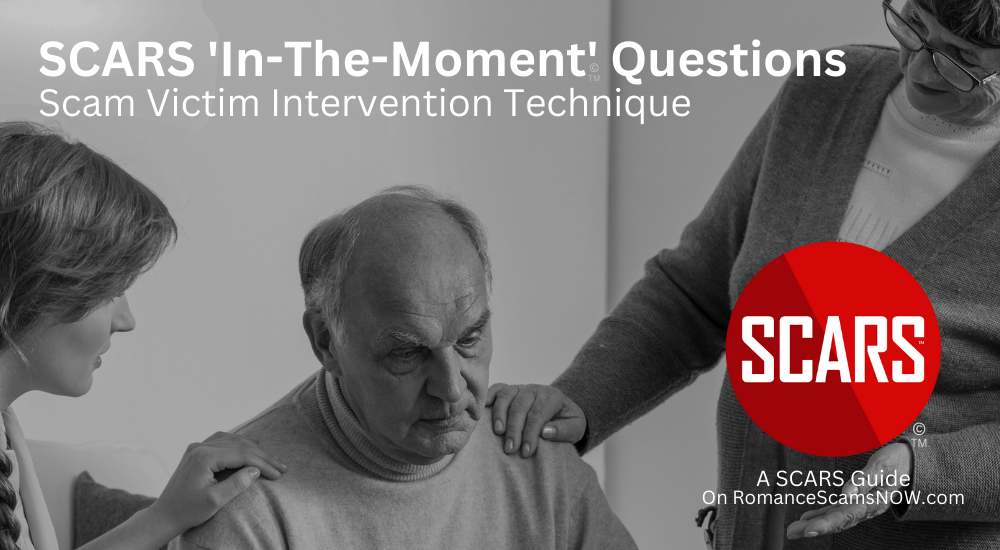
Combatting the sunk cost bias requires awareness and rational decision-making. Victims of scams must recognize when their investments are unlikely to yield returns and be willing to cut their losses. Seeking advice from trusted friends, family members, or financial advisors can provide valuable perspective and help victims avoid falling deeper into the trap of sunk costs.
Summary
The sunk cost bias, or “chasing the money,” is a pervasive cognitive bias that can have devastating effects on scam victims. By understanding the psychological mechanisms behind this bias, individuals can take steps to mitigate its impact and make more rational decisions. Recognizing when to cut losses and walk away is essential in avoiding further financial harm and protecting oneself from falling victim to fraudulent schemes. Ultimately, awareness and critical thinking are key to resisting the allure of sunk costs and making informed decisions in the face of uncertainty.
About Cognitive Biases
This article is part of SCARS continuing commitment to helping the victims of scams (financial fraud) to better understand the psychology of scams. In other words, why are victims vulnerable and how do Cognitive Biases relate to that?
How Do Cognitive Biases Make People Vulnerable To Scams, Fraud, and Deception
How do cognitive biases play a role in making people vulnerable and susceptible to scams, fraud, and deception?
Cognitive biases are mental shortcuts that allow people to make quick decisions and judgments based on their past experiences and memories. These biases can be helpful in many situations, as they allow people to process large amounts of information quickly and efficiently. However, they can also make people vulnerable to scams, fraud, and deception.
One reason why cognitive biases make people vulnerable to scams is that they can lead people to make judgments that are not based on evidence or logical reasoning. For example, Confirmation Bias (a major bias that makes people vulnerable) is the tendency to seek out and interpret information that supports one’s preexisting beliefs, while ignoring or dismissing information that contradicts them. This can make people more susceptible to scams that appeal to their beliefs or biases, as they are more likely to believe the scammer’s claims without critically evaluating the evidence.
There are several ways that people can protect themselves from scams, fraud, and deception. One way is to be aware of common cognitive biases and how they can affect decision-making. This can help people to be more mindful of their thought processes and to question their own judgments.
Another way to protect oneself is to be skeptical of claims and offers that seem too good to be true. It is important to carefully evaluate the evidence and to ask questions before making a decision. This can help people to avoid falling for scams that rely on emotional appeals or incomplete information.
It can also be helpful to seek out additional sources of information and to consult with trusted friends, family members, or professionals before making a decision. This can provide a more balanced perspective and help to identify any potential red flags. But if you do not understand your Cognitive Biases then you will not even see the red flags!
Overall, cognitive biases can make people vulnerable to scams, fraud, and deception by leading them to make judgments that are not based on evidence or logical reasoning, and by causing them to make irrational or risky decisions. However, by being aware of these biases and taking steps to protect oneself, people can reduce their risk of falling victim to these types of scams.
Summary
Cognitive biases do make people more vulnerable to scams, fraud, and deception by causing them to ignore warning signs, pay more attention to information that supports their preexisting beliefs, rely on incomplete information, and anchor their decisions to easy and often incorrect information.
By being aware of these biases and making an effort to overcome them, people can be better equipped to avoid falling victim to scams and other forms of deception.
More About Cognitive Biases & Vulnerabilities

Statement About Victim Blaming
SCARS Institute articles examine different aspects of the scam victim experience, as well as those who may have been secondary victims. This work focuses on understanding victimization through the science of victimology, including common psychological and behavioral responses. The purpose is to help victims and survivors understand why these crimes occurred, reduce shame and self-blame, strengthen recovery programs and victim opportunities, and lower the risk of future victimization.
At times, these discussions may sound uncomfortable, overwhelming, or may be mistaken for blame. They are not. Scam victims are never blamed. Our goal is to explain the mechanisms of deception and the human responses that scammers exploit, and the processes that occur after the scam ends, so victims can better understand what happened to them and why it felt convincing at the time, and what the path looks like going forward.
Articles that address the psychology, neurology, physiology, and other characteristics of scams and the victim experience recognize that all people share cognitive and emotional traits that can be manipulated under the right conditions. These characteristics are not flaws. They are normal human functions that criminals deliberately exploit. Victims typically have little awareness of these mechanisms while a scam is unfolding and a very limited ability to control them. Awareness often comes only after the harm has occurred.
By explaining these processes, these articles help victims make sense of their experiences, understand common post-scam reactions, and identify ways to protect themselves moving forward. This knowledge supports recovery by replacing confusion and self-blame with clarity, context, and self-compassion.
Additional educational material on these topics is available at ScamPsychology.org – ScamsNOW.com and other SCARS Institute websites.
Psychology Disclaimer:
All articles about psychology and the human brain on this website are for information & education only
The information provided in this article is intended for educational and self-help purposes only and should not be construed as a substitute for professional therapy or counseling.
While any self-help techniques outlined herein may be beneficial for scam victims seeking to recover from their experience and move towards recovery, it is important to consult with a qualified mental health professional before initiating any course of action. Each individual’s experience and needs are unique, and what works for one person may not be suitable for another.
Additionally, any approach may not be appropriate for individuals with certain pre-existing mental health conditions or trauma histories. It is advisable to seek guidance from a licensed therapist or counselor who can provide personalized support, guidance, and treatment tailored to your specific needs.
If you are experiencing significant distress or emotional difficulties related to a scam or other traumatic event, please consult your doctor or mental health provider for appropriate care and support.
Also read our SCARS Institute Statement about Professional Care for Scam Victims – click here to go to our ScamsNOW.com website.
If you are in crisis, feeling desperate, or in despair please call 988 or your local crisis hotline.
Psychology Disclaimer:
All articles about psychology and the human brain on this website are for information & education only
The information provided in this article is intended for educational and self-help purposes only and should not be construed as a substitute for professional therapy or counseling.
While any self-help techniques outlined herein may be beneficial for scam victims seeking to recover from their experience and move towards recovery, it is important to consult with a qualified mental health professional before initiating any course of action. Each individual’s experience and needs are unique, and what works for one person may not be suitable for another.
Additionally, any approach may not be appropriate for individuals with certain pre-existing mental health conditions or trauma histories. It is advisable to seek guidance from a licensed therapist or counselor who can provide personalized support, guidance, and treatment tailored to your specific needs.
If you are experiencing significant distress or emotional difficulties related to a scam or other traumatic event, please consult your doctor or mental health provider for appropriate care and support.
Also read our SCARS Institute Statement about Professional Care for Scam Victims – click here to go to our ScamsNOW.com website.
If you are in crisis, feeling desperate, or in despair please call 988 or your local crisis hotline.
Glossary Search
Table of Contents
To Understand All Scams
Read This
The SCARS Institute Relationship Scams Formula Checklist
This is the Formula that all Relationship Scams Follow
ARTICLE CATEGORIES



In the U.S. & Canada
U.S. & Canada Suicide Lifeline 988

Get Organized Now – FREE
Organize the Records from Your Crime here: The SCARS Institute’s RED BOOK free Online Edition
A Tool to help you collect your information and make it more presentable to the Police, Banks, and for Your Records.
100% safe, private, and confidential. Only you see it.
 SCARS Institute Insight
Free, Safe, and Confidential After-Scam Healing & Support is Available from the SCARS Institute
Join Us www.SCARScommunity.org
Please Leave A Comment!
Please tell us what you took from this?
Commenting is an essential part of healing
Read • Think • Write
Thank you for your comment. You may receive an email to follow up. We never share your data with marketers.
Recent Comments
On Other Articles
- Janina on Adult Sextortion Scam Simulator – v2: “As a victim of a romance scam, I wasn’t asked to send any intimate photos during my fake relationship, but…” Oct 24, 08:19
- Barbara on The New AI/SI Chat Bot Romance Scams – Companies Are Draining Victims This Time – 2026: “I’m shaking my head in disbelief (almost), but after my own exploitation I can at least understand the business model…” Oct 23, 22:10
- Cynthia Frank on A New Analysis of Romance Scam Scripts and Flows – 2026: “After reading this I’m wondering if my second scam could have been a Recovery Scam? But they didn’t seem to…” Oct 22, 12:07
- SCARS Institute Editorial Team on Is It A Scam? Teen Sextortion Scam Diagnostic – For Parents – v2: “Thank you Moira” Oct 20, 00:13
- Moira on Is It A Scam? Teen Sextortion Scam Diagnostic – For Parents – v2: “This is an exceptional good service and i hope that we can use it along side some of things that…” Oct 19, 12:27
- Barbara on SCARS Institute – Romance Scam Simulator: “Fantastic! I have to go to bed, but I’ll do some more tomorrow. I picked an easy scenario tonight, but…” Oct 9, 18:01
- SCARS Institute Editorial Team on United States – Federal Bureau of Investigations [FBI]: “It is only that way because of the shame you feel. The reality is that it was not your fault.…” Sep 30, 15:36
- thalia calleon on United States – Federal Bureau of Investigations [FBI]: “yhisis humiliating experience e and isembarassassing to to own up to peolealreadyassume u are not to bright because Arnold and…” Sep 30, 12:28
- thalia calleon on United States – Federal Bureau of Investigations [FBI]: “should be better known by public live in assisiwdlivi g apartment many manyinstancresof Romance scams here ano.us ederly l” Sep 30, 12:24
- Maria on Is It A Scam? Phone Scam Diagnostic – v1: “I tried the this test Is it a phone scam? Mine was. I think this is a helpful tool to…” Sep 30, 10:34
Important Information for New Scam Victims
- Please visit www.ScamVictimsSupport.org – a SCARS Website for New Scam Victims & Sextortion Victims
- Enroll in FREE SCARS Scam Survivor’s School now at www.SCARSeducation.org
- Please visit www.ScamPsychology.org – to more fully understand the psychological concepts involved in scams and scam victim recovery
If you are looking for local trauma counselors please visit counseling.AgainstScams.org or join SCARS for our counseling/therapy benefit: membership.AgainstScams.org
If you need to speak with someone now, you can dial 988 or find phone numbers for crisis hotlines all around the world here: www.opencounseling.com/suicide-hotlines
A Note About Labeling!
We often use the term ‘scam victim’ in our articles, but this is a convenience to help those searching for information in search engines like Google. It is just a convenience and has no deeper meaning. If you have come through such an experience, YOU are a Survivor! It was not your fault. You are not alone! Axios!
A Question of Trust
At the SCARS Institute, we invite you to do your own research on the topics we speak about and publish, Our team investigates the subject being discussed, especially when it comes to understanding the scam victims-survivors experience. You can do Google searches but in many cases, you will have to wade through scientific papers and studies. However, remember that biases and perspectives matter and influence the outcome. Regardless, we encourage you to explore these topics as thoroughly as you can for your own awareness.
Statement About Victim Blaming
SCARS Institute articles examine different aspects of the scam victim experience, as well as those who may have been secondary victims. This work focuses on understanding victimization through the science of victimology, including common psychological and behavioral responses. The purpose is to help victims and survivors understand why these crimes occurred, reduce shame and self-blame, strengthen recovery programs and victim opportunities, and lower the risk of future victimization.
At times, these discussions may sound uncomfortable, overwhelming, or may be mistaken for blame. They are not. Scam victims are never blamed. Our goal is to explain the mechanisms of deception and the human responses that scammers exploit, and the processes that occur after the scam ends, so victims can better understand what happened to them and why it felt convincing at the time, and what the path looks like going forward.
Articles that address the psychology, neurology, physiology, and other characteristics of scams and the victim experience recognize that all people share cognitive and emotional traits that can be manipulated under the right conditions. These characteristics are not flaws. They are normal human functions that criminals deliberately exploit. Victims typically have little awareness of these mechanisms while a scam is unfolding and a very limited ability to control them. Awareness often comes only after the harm has occurred.
By explaining these processes, these articles help victims make sense of their experiences, understand common post-scam reactions, and identify ways to protect themselves moving forward. This knowledge supports recovery by replacing confusion and self-blame with clarity, context, and self-compassion.
Additional educational material on these topics is available at ScamPsychology.org – ScamsNOW.com and other SCARS Institute websites.
Psychology Disclaimer:
All articles about psychology and the human brain on this website are for information & education only
The information provided in this article is intended for educational and self-help purposes only and should not be construed as a substitute for professional therapy or counseling.
While any self-help techniques outlined herein may be beneficial for scam victims seeking to recover from their experience and move towards recovery, it is important to consult with a qualified mental health professional before initiating any course of action. Each individual’s experience and needs are unique, and what works for one person may not be suitable for another.
Additionally, any approach may not be appropriate for individuals with certain pre-existing mental health conditions or trauma histories. It is advisable to seek guidance from a licensed therapist or counselor who can provide personalized support, guidance, and treatment tailored to your specific needs.
If you are experiencing significant distress or emotional difficulties related to a scam or other traumatic event, please consult your doctor or mental health provider for appropriate care and support.
Also read our SCARS Institute Statement about Professional Care for Scam Victims – click here to go to our ScamsNOW.com website.

This is exactly how my criminals kept me coming back for more. They promised me each wire transfer would result in my money being returned to me, with interest. I “chased the money” until I was bone dry. It started out as a fairly small amount, then quickly moved onto a much more, and bigger amounts. I chased until they used the threat of the IRS coming after me. I then realized I was a victim. The email address they used was definitely not the IRS and that’s what tipped me off, finally, that they had scammed me.
Although I did not fall for an investment scam in the usual sense, I did lose money in a different “investment”. The investment that I had a real relationship with a person that in the normal course of life I would never meet or even be allowed to meet. The investment lure was to be able to spend a few hours with him. To be close to another. Even though I have a wonderful relationship with my husband, the lure to spend time with this individual was not something I could easily give up. So “Sunk Cost” was part of my fraud. Although there was no doubling down there was continued investment. From choosing my meet & greet package, to having to invest in the celebrities foundation (a requirement that was conveniently not divulged to me initially), to the celebrity needing help with a loan made with their management team, to upgrading to a VIP package so we could have more time together. It just kept going on and on. Always there was the awareness that if I didn’t pay this additional cost any money already paid would be lost along with the ability to meet and spend time with this celebrity. Relationship scams can take many faces, but underneath, the rottenness prevails.
This is what caused me to go into deep debt with my pig butchering scam. I was told I needed to pay taxes to be able to withdraw my funds. In the back of my mind, I questioned why I had to pay the taxes to the investment platform. I even asked the platform’s customer service about how I would get proof that I payed the taxes and their answer was a red flag, but I still went through with it because I was afraid I wouldn’t be able to withdraw my funds.
The only thing that stopped my scam was when I decided to cut my losses and move on. My pig butcher scam was at the stage where my crypto account had been frozen and effectively held ransom for more than twice my initial investment. If I had continued it would have had truly life changing consequences. After a few close calls with recovery scammers I am now hoping law enforcement agencies I have reported to have some luck. Meanwhile, I am moving on assuming I will not be getting any of my money back. A hard lesson learned.