




SCARS Institute’s Encyclopedia of Scams™ Published Continuously for 25 Years
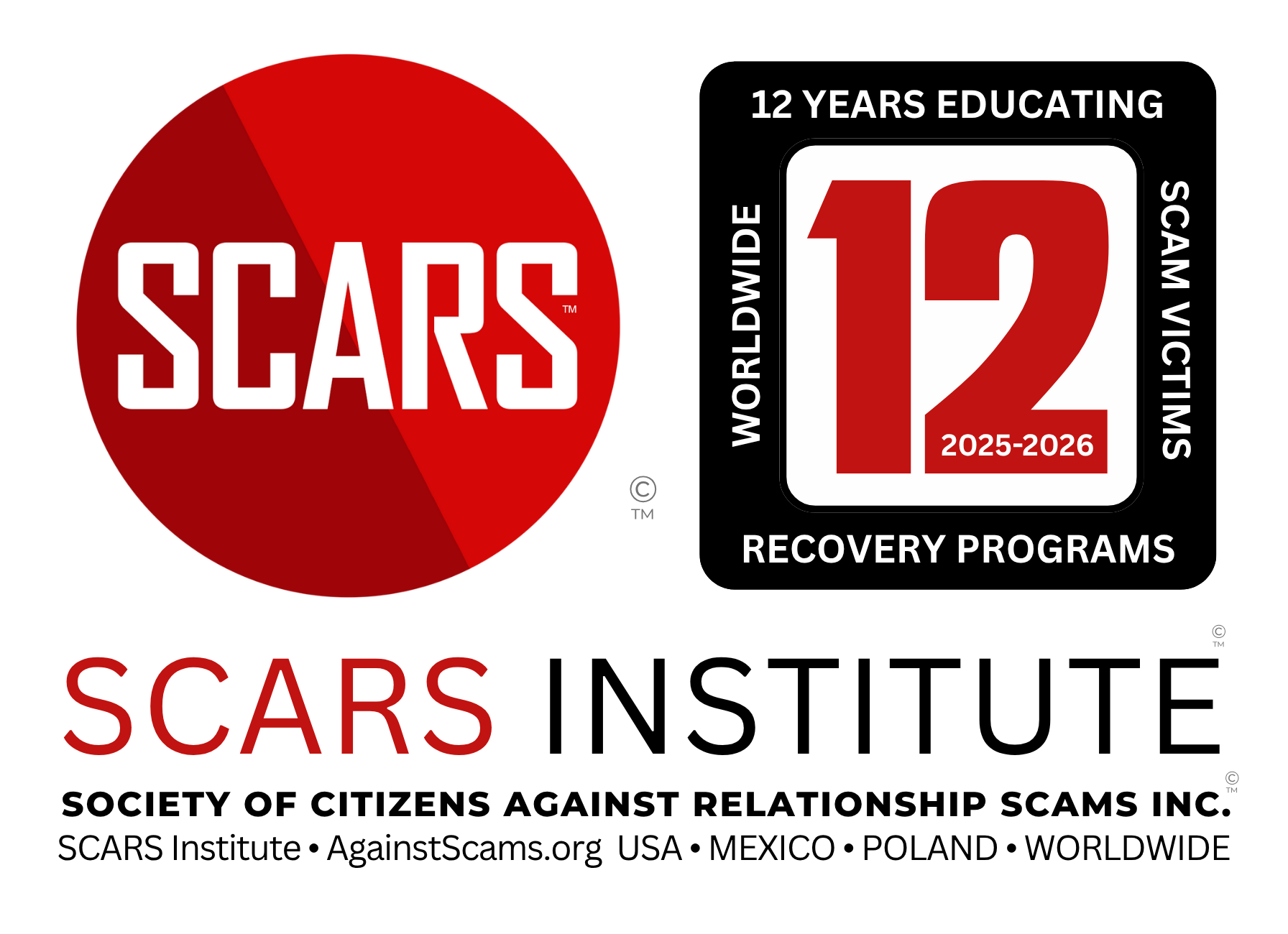

New Instant Smartphone Apps Scams – Data Mining and Phishing at the Same Time
The Rapid Rise of Smartphone Apps Creation: A Double-Edged Sword for You to Navigate
Catalog of Scams – A SCARS Institute Insight
Author:
• SCARS Institute Encyclopedia of Scams Editorial Team – Society of Citizens Against Relationship Scams Inc.
Article Abstract
The rapid rise of smartphone app creation tools has revolutionized how you can turn ideas into reality, enabling you to build a fully functional app, website, and brand in mere hours without any coding skills or experience, empowering creators like you to innovate with unprecedented speed. However, this technological leap has a dark side, as bad actors exploit these tools to craft deceptive smartphone apps—disguised as helpful finance, meditation, or AI chat tools—that hide malware, data theft, and surveillance, all while appearing legitimate with polished designs and fake five-star reviews. The consequences for you can be severe, including financial losses, emotional distress, and a broader erosion of trust in the digital ecosystem, which impacts innovation and security.
Cybercriminals can now launch fake companies and smartphone apps at scale in under an hour, dramatically leveling up the cybercrime game while many remain unaware of the shifted landscape. To protect yourself, you should verify developers, scrutinize smartphone apps permissions, keep security software updated, and stay informed about scam tactics, ensuring you can safely harness the potential of rapid app creation. As this technology evolves, your awareness and vigilance are crucial to navigating its opportunities and avoiding its hidden dangers.
The Rapid Rise of Smartphone Apps Creation: A Double-Edged Sword for You to Navigate
Imagine a world where you can bring your wildest ideas to life in mere minutes. You have a vision for smartphone apps, and with just a few prompts, you’ve created a fully functioning application—no coding skills, no prior experience, just your creativity and a spark of inspiration. But the magic doesn’t stop there. Within a few hours, you can build an entire brand, complete with a sleek website, a professional logo, compelling testimonials, and detailed case studies. This isn’t a futuristic dream; it’s the reality of today’s technology, and it’s a game-changer for dreamers, builders, and creators like you who want to test an idea quickly and efficiently.
The ability to create something impactful with zero barriers is nothing short of revolutionary, opening doors for innovation and entrepreneurship in ways that were unimaginable a decade ago. However, there’s a darker side to this technological leap that you need to be aware of, one that many aren’t prepared for. While you’re busy creating, bad actors are watching, and they’re not just building smartphone apps—they’re crafting sophisticated weapons disguised as helpful tools. In this article, we’ll explore the incredible potential of rapid app creation, the hidden dangers it poses, and how you can protect yourself in this new landscape of cybercrime.
The Power of Rapid Smartphone Apps Creation: A Creator’s Dream Come True
Let’s start with the exciting part—the sheer power at your fingertips. Picture yourself as an aspiring entrepreneur with an idea for a fitness app that tracks workouts and offers personalized coaching. In the past, turning that idea into reality would have taken months, if not years. You’d need to learn coding, hire developers, or spend a fortune on outsourcing. But today, platforms exist that allow you to generate an app in minutes using simple prompts. You type in what you want—I need a fitness app with workout tracking and coaching features—and the platform does the rest, delivering a functional app ready for testing.
It doesn’t stop at the app itself. You can also create a website to showcase your smartphone apps, complete with a logo that reflects your brand’s identity, testimonials from hypothetical users, and case studies that demonstrate its value. All of this can be done in a matter of hours, without writing a single line of code or having any design experience. It’s like having a team of experts at your beck and call, but it’s just you and your vision, you might think as you watch your idea come to life. This democratization of technology is a dream come true for creators like you, whether you’re a small business owner, a hobbyist, or an innovator looking to disrupt an industry. The barriers to entry have been obliterated, allowing you to test ideas, iterate quickly, and bring your creations to market faster than ever before.
This rapid smartphone apps creation isn’t just a convenience—it’s a revolution. It empowers you to experiment without fear of failure, knowing that if one idea doesn’t work, you can pivot to another in a fraction of the time it used to take. For dreamers and builders, this technology is a gateway to endless possibilities, enabling you to turn your visions into reality with unprecedented speed and efficiency. But as with any powerful tool, there’s a flip side that you need to understand, one that could turn this dream into a nightmare if you’re not careful.
The Dark Side: Cybercrime’s New Playground
While you’re celebrating the ease of creating apps, there’s a shadow looming over this technological marvel—one that many aren’t ready to face. Bad actors, from individual hackers to organized crime groups, are also taking notice of these tools, and they’re not using them to build dreams. Instead, they’re crafting weapons disguised as helpful apps, designed to deceive and exploit users like you. Imagine a finance app that promises to manage your budget with precision, a meditation app that offers calming sessions to reduce stress, or an AI chat buddy that seems like a supportive friend. These apps look legitimate, function seamlessly, and might even garner five-star reviews from users who don’t suspect a thing.
But behind the scenes, there’s a sinister agenda at play. These apps could be embedded with malware that silently infiltrates your device, stealing sensitive data like your banking information, passwords, or personal messages. They might engage in surveillance, tracking your location, monitoring your habits, or even recording your conversations through your device’s microphone. It felt so real—I thought I was getting help, but I was being watched, you might say if you fell victim to such a scheme. The polished design and functionality of these apps make them incredibly convincing, luring you into a false sense of security while they carry out their malicious intent.
The return on investment for cybercriminals using these tools is staggering. In the past, creating fake smartphone apps or company required significant time, resources, and technical expertise. Now, the same platforms that empower you to create also enable criminals to launch a fake company, establish a fraudulent brand, and deploy a fully functional app in under an hour. They can scale their operations with terrifying efficiency, producing dozens or even hundreds of deceptive apps in a single day. This scalability means that the cybercrime landscape has leveled up dramatically, and the average user—you included—might not even realize the rules of the game have changed.
The Anatomy of Cybercrime Smartphone Apps: How Deception Works
Let’s break down how these deceptive apps work, so you can better understand the threat you’re facing. First, the app is designed to look and feel legitimate. The creators use the same rapid app-building tools you might use, ensuring that the interface is user-friendly and the design is visually appealing. They might include features that genuinely work, such as a meditation app that plays soothing music or a finance app that tracks your expenses. This functionality isn’t just a facade—it’s a bait to hook you, making you trust the app and use it regularly.
Once you’re engaged, the app’s true purpose kicks in. It might request permissions that seem innocuous, like access to your camera, microphone, or contacts, under the guise of enhancing your experience. I thought it needed my camera for video features, but it was spying on me, you might realize too late. Behind the scenes, the app could be installing malware that steals your data, sending it to a remote server controlled by the criminals. It might also track your activity, building a detailed profile of your habits to sell on the dark web or use for targeted attacks, such as phishing emails tailored to your interests.
The deception doesn’t stop with the app itself. These bad actors can create an entire ecosystem around their scam, including a fake website, glowing testimonials, and case studies that make the app seem trustworthy. They might even manipulate online reviews, ensuring the app receives five-star ratings to further convince you of its legitimacy. This level of sophistication makes it incredibly difficult for you to spot the scam until it’s too late, highlighting the urgent need for awareness and caution in this new era of rapid app creation.
The Consequences for You: Why This Matters
The consequences of falling for one of these deceptive apps can be devastating, affecting you on multiple levels. Financially, you might suffer significant losses if the app steals your banking information, leading to unauthorized transactions or identity theft. Emotionally, the betrayal can take a heavy toll, leaving you feeling violated, ashamed, and distrustful of technology. I thought I was being careful, but I still got scammed, you might reflect, grappling with the same shame and self-blame that many scam victims experience.
Beyond the personal impact, there’s a broader societal consequence to consider. As these deceptive apps proliferate, they erode trust in the digital ecosystem as a whole. You might become hesitant to download any new app, even legitimate ones, for fear of being scammed. This loss of trust can stifle innovation, as genuine creators struggle to reach users who are increasingly skeptical. Moreover, the scale of these cybercrimes puts pressure on law enforcement and cybersecurity experts, who are already stretched thin trying to combat traditional threats. The rapid rise of app creation has created a perfect storm for cybercriminals, and you’re caught in the crosshairs, navigating a landscape where the line between legitimate and malicious is blurrier than ever.
Protecting Yourself: Steps You Can Take
Now that you understand the risks, let’s talk about how you can protect yourself in this new reality. First, always approach new apps with a healthy dose of skepticism, especially if they seem too good to be true. Before downloading, check the developer’s background—look for a verifiable website, contact information, and a history of other apps they’ve created. If the app lacks transparency or has a generic online presence, it’s a red flag.
Next, pay close attention to the permissions the app requests. If a meditation app asks for access to your camera or contacts, question why it needs those permissions and consider denying them. You can also review the app’s privacy policy, though be aware that fake apps might include misleading policies to seem legitimate. When in doubt, stick to apps from well-known developers or those recommended by trusted sources, such as friends or family.
Another key step is to keep your device’s security software up to date. Antivirus and anti-malware programs can help detect and block malicious apps before they cause harm. Regularly monitor your bank accounts and credit reports for unusual activity, so you can catch any issues early. Finally, educate yourself about common scam tactics, such as phishing emails that trick you into downloading fake apps or sharing personal information. I started checking everything twice, and it saved me from a big mistake, you might say after adopting these habits, feeling more empowered to navigate the digital world safely.
The Future of App Creation: A Call for Awareness
The rapid rise of app creation tools is a double-edged sword, offering incredible opportunities for creators like you while also empowering cybercriminals to exploit unsuspecting users. As these tools continue to evolve, the potential for both innovation and deception will only grow, making awareness and vigilance more important than ever. Developers of these platforms must take responsibility by implementing safeguards, such as stricter vetting processes for apps created through their tools, to prevent misuse by bad actors.
For you, staying informed is your best defense. By understanding the risks and taking proactive steps to protect yourself, you can continue to explore the possibilities of rapid app creation without falling victim to its darker side. The cybercrime game has indeed leveled up, but with the right knowledge and precautions, you can stay one step ahead, ensuring that your dreams—and your data—remain safe in this new digital frontier.
Navigating the New Era of App Creation
The rapid rise of app creation tools has transformed the way you can bring ideas to life, allowing you to build a fully functional app, website, and brand in just hours, all without coding or experience. This revolution empowers you as a creator, breaking down barriers and enabling innovation at an unprecedented pace. However, it also opens the door for bad actors who exploit these tools to craft deceptive apps—finance tools, meditation apps, or AI chat buddies—that hide malware, data theft, and surveillance behind polished exteriors. These apps can look legitimate, function well, and even earn five-star reviews, making them hard for you to spot. The consequences of falling for such a scam can be severe, from financial losses to emotional distress, while the broader erosion of trust in digital spaces impacts innovation and security. To protect yourself, you can verify developers, scrutinize app permissions, keep security software updated, and stay educated about scam tactics. As app creation technology advances, your awareness and caution will be key to safely navigating this landscape, allowing you to harness its potential while avoiding its pitfalls.
-/ 30 /-
What do you think about this?
Please share your thoughts in a comment below!
Table of Contents




Rapid Report Scammers

In the U.S. & Canada
U.S. & Canada Suicide Lifeline 988
LEAVE A COMMENT?
Recent Comments
On Other Articles
- Wendy Guiher on 15 Things That Nearly Every Online and Phone Scams Have In Common – 2026: “Very concise, direct information. When I look back on the crime against me I now can see ALL of the…” Apr 1, 06:24
- on The Danger of Using AI in Law Enforcement – The Grandmother Wrongly Arrested as a Fraudster – 2026: “Excellent article – I can’t imagine the terror Angela most certainly experienced. Compound this with the lack of accountability by…” Mar 24, 09:20
- on The Crazy Gregor MacGregor and the Country of Poyais Scam – History of Scams – 2026: “interesting” Mar 23, 19:24
- on BEC Fraud Reaches $43 Billion Per Year: “oh my gosh so much of an increase in the fraud I pray the officials can continue tracking and make…” Mar 23, 15:09
- on Establishing The United States Task Force To Eliminate Fraud – 2026: “Make Online Safe Again!” Mar 17, 19:11
- on Establishing The United States Task Force To Eliminate Fraud – 2026: “Finally an administration takes the initiative to help solve the gigantic situation. Make America Safe Again, thank you!” Mar 17, 15:41
- on What Is The Difference Between A Scam Victim And A Scam Survivor? [Updated]: “Due to my scams I don’t fully trust anyone online and I shouldn’t even those people I knew in high…” Mar 7, 12:46
- on SCARS 3 Steps For New Scam Victims 2024: “I was very fearful “he” would come to my home because I was knew my address, I spoke to someone…” Mar 7, 09:50
- on Sadness & Scam Recovery: “Before my scam, my mom passed away and I got a divorce, so I was dealing with the loss of…” Mar 7, 09:37
- on The Story Of Kira Lee Orsag (aka Dani Daniels) [Updated]: “There is NO evidence and she is not, she is a victim too. Sebastian, stop letting your anger think for…” Mar 6, 23:18
ARTICLE META
Important Information for New Scam Victims
- Please visit www.ScamVictimsSupport.org – a SCARS Website for New Scam Victims & Sextortion Victims
- Enroll in FREE SCARS Scam Survivor’s School now at www.SCARSeducation.org
- Please visit www.ScamPsychology.org – to more fully understand the psychological concepts involved in scams and scam victim recovery
If you are looking for local trauma counselors please visit counseling.AgainstScams.org or join SCARS for our counseling/therapy benefit: membership.AgainstScams.org
If you need to speak with someone now, you can dial 988 or find phone numbers for crisis hotlines all around the world here: www.opencounseling.com/suicide-hotlines
A Note About Labeling!
We often use the term ‘scam victim’ in our articles, but this is a convenience to help those searching for information in search engines like Google. It is just a convenience and has no deeper meaning. If you have come through such an experience, YOU are a Survivor! It was not your fault. You are not alone! Axios!
A Question of Trust
At the SCARS Institute, we invite you to do your own research on the topics we speak about and publish, Our team investigates the subject being discussed, especially when it comes to understanding the scam victims-survivors experience. You can do Google searches but in many cases, you will have to wade through scientific papers and studies. However, remember that biases and perspectives matter and influence the outcome. Regardless, we encourage you to explore these topics as thoroughly as you can for your own awareness.
Statement About Victim Blaming
SCARS Institute articles examine different aspects of the scam victim experience, as well as those who may have been secondary victims. This work focuses on understanding victimization through the science of victimology, including common psychological and behavioral responses. The purpose is to help victims and survivors understand why these crimes occurred, reduce shame and self-blame, strengthen recovery programs and victim opportunities, and lower the risk of future victimization.
At times, these discussions may sound uncomfortable, overwhelming, or may be mistaken for blame. They are not. Scam victims are never blamed. Our goal is to explain the mechanisms of deception and the human responses that scammers exploit, and the processes that occur after the scam ends, so victims can better understand what happened to them and why it felt convincing at the time, and what the path looks like going forward.
Articles that address the psychology, neurology, physiology, and other characteristics of scams and the victim experience recognize that all people share cognitive and emotional traits that can be manipulated under the right conditions. These characteristics are not flaws. They are normal human functions that criminals deliberately exploit. Victims typically have little awareness of these mechanisms while a scam is unfolding and a very limited ability to control them. Awareness often comes only after the harm has occurred.
By explaining these processes, these articles help victims make sense of their experiences, understand common post-scam reactions, and identify ways to protect themselves moving forward. This knowledge supports recovery by replacing confusion and self-blame with clarity, context, and self-compassion.
Additional educational material on these topics is available at ScamPsychology.org – ScamsNOW.com and other SCARS Institute websites.
Psychology Disclaimer:
All articles about psychology and the human brain on this website are for information & education only
The information provided in this article is intended for educational and self-help purposes only and should not be construed as a substitute for professional therapy or counseling.
While any self-help techniques outlined herein may be beneficial for scam victims seeking to recover from their experience and move towards recovery, it is important to consult with a qualified mental health professional before initiating any course of action. Each individual’s experience and needs are unique, and what works for one person may not be suitable for another.
Additionally, any approach may not be appropriate for individuals with certain pre-existing mental health conditions or trauma histories. It is advisable to seek guidance from a licensed therapist or counselor who can provide personalized support, guidance, and treatment tailored to your specific needs.
If you are experiencing significant distress or emotional difficulties related to a scam or other traumatic event, please consult your doctor or mental health provider for appropriate care and support.
Also read our SCARS Institute Statement about Professional Care for Scam Victims – click here to go to our ScamsNOW.com website.


Thank you for your comment. You may receive an email to follow up. We never share your data with marketers.