


SCARS Institute’s Encyclopedia of Scams™ Published Continuously for 25 Years
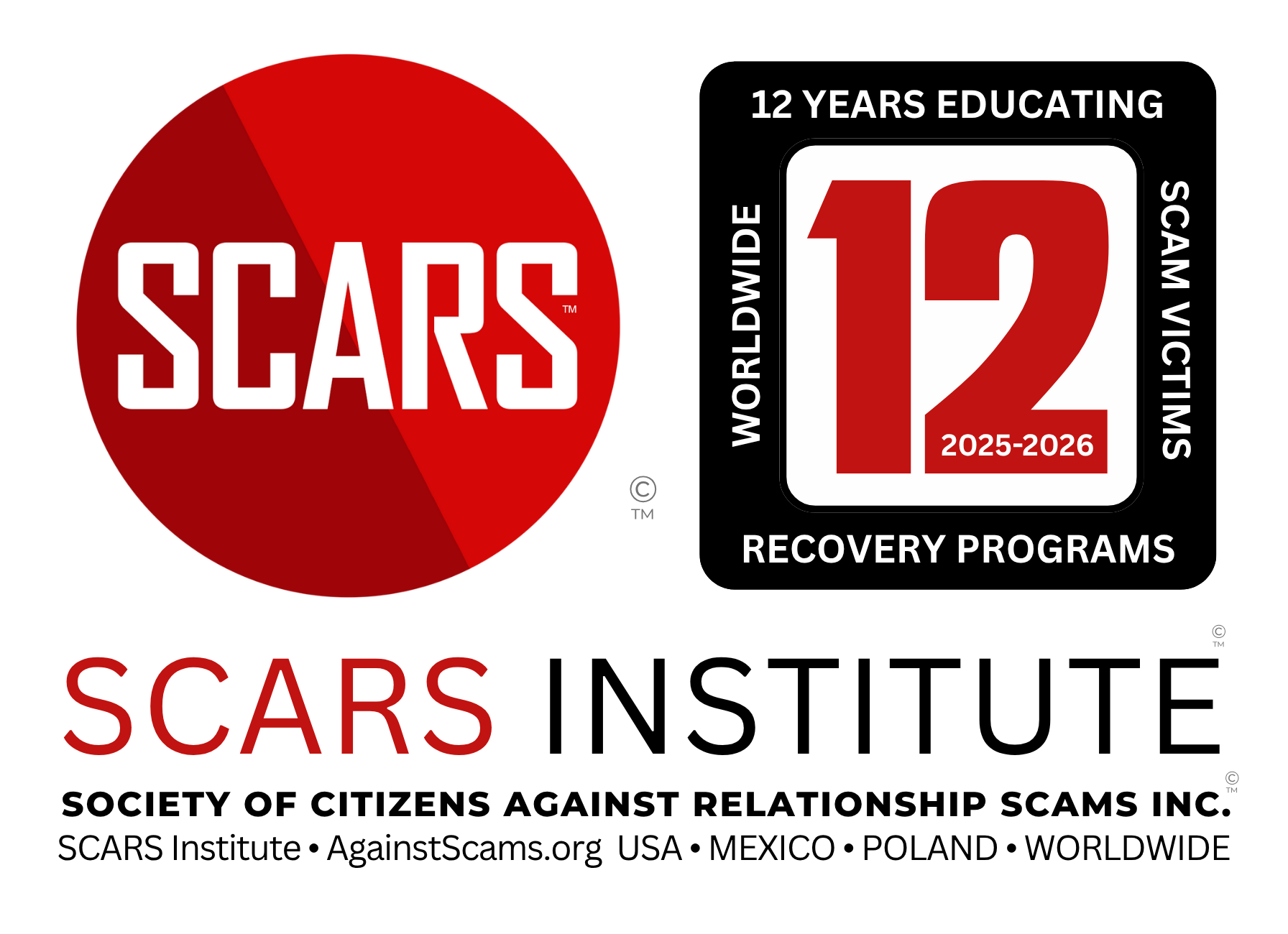


U.S. Veterans Benefits Scams
When “Help” Comes With a Cost Veterans Should Never Pay
Understanding and Avoiding Scams that Target Veterans’ Benefits
Catalog of Scams – A SCARS Institute Insight
Article Abstract
Many United States military veterans rely on Department of Veterans Affairs disability and pension benefits for financial stability, medical access, and family security, which makes those benefits a frequent target for fraud. A growing category of scams falsely offers assistance with VA benefits while pressuring veterans to sign over a portion of their payments or provide upfront compensation. These schemes may appear professional and urgent, promise faster processing or guaranteed outcomes, and use contracts that assign future benefits or disguise fees. Such arrangements are never legitimate, can cause lasting financial harm, and often involve identity theft through the collection of sensitive personal information. Veterans are targeted due to predictable benefit payments and trust in institutions associated with service. Legitimate assistance comes only from accredited sources, never requires surrendering benefits, and emphasizes verification, transparency, and reporting suspicious activity.

When “Help” Comes With a Cost Veterans Should Never Pay
Understanding and Avoiding Scams that Target Veterans’ Benefits
Many United States military veterans live with a mixture of pride and hardship after their service. Benefits from the Department of Veterans Affairs for disability and pension are often essential to financial stability, access to medical care, and family security. Because these benefits matter so deeply, they have become a frequent target for fraud. Criminals increasingly design scams that appear supportive and professional while quietly attempting to take money, personal information, or even a portion of the benefits themselves.
One of the most concerning schemes involves offers that pressure veterans to sign over part of their VA benefits in exchange for help. These offers may sound official and reassuring, especially to veterans who feel overwhelmed by paperwork or uncertain about eligibility. In reality, these schemes are never legitimate. Understanding how they work, why they are dangerous, and how to protect against them is essential for veterans, families, and caregivers.
How the Scam Works
In this type of scam, a person or company claims they can help a veteran apply for, increase, or speed up VA benefits. The offer is often framed as expert assistance or a special service available for a limited time. The scammer then demands payment in a form that involves surrendering part of the veteran’s benefits, either immediately or in the future.
This may appear as a contract that assigns a percentage of monthly benefits as a fee, a demand for a lump-sum payment tied to future benefits, or a proposal to buy out benefits in exchange for cash today. These arrangements are always a red flag.
Veterans never have to sign over their benefits to receive help from the VA, and no outside party has the authority to guarantee outcomes or accelerate the process.
The VA alone decides eligibility, ratings, and payment timelines. Anyone claiming they can override that system or secure guaranteed results is misrepresenting reality. Once a veteran signs such an agreement, the financial consequences can be long-lasting and difficult to reverse.
Why These Schemes are Dangerous
Signing over benefits can place veterans in severe financial distress. VA payments are often designed to provide long-term stability, especially for those living with disabilities or fixed incomes. Losing even a portion of that income can affect housing, medical care, and daily living expenses.
In some cases, these scams involve complex contracts that hide fees, penalties, or insurance products. Veterans may not realize the full impact until payments are reduced or redirected. At that point, undoing the damage can require legal intervention, months of effort, and additional emotional stress.
Beyond financial loss, these schemes often involve identity theft. Scammers frequently collect Social Security numbers, VA login credentials, banking details, and other sensitive information. This data can be reused for further fraud, creating cascading harm.
Common Tactics Used Against Veterans
Scammers use predictable psychological techniques to make their offers feel legitimate and urgent. These tactics may include:
- Impersonating VA officials or using documents that look official
- Creating urgency by claiming deadlines or limited availability
- Promising guaranteed benefits or faster approvals
- Requesting upfront payments or future benefit assignments
- Offering cash in exchange for future monthly benefits
- Contacting veterans without being asked, often repeatedly
These approaches are designed to bypass careful thinking and create emotional pressure. Veterans may feel compelled to act quickly out of fear of missing benefits they rely on or deserve.
Why Veterans are Targeted
Veterans are often targeted because they receive predictable benefits, trust institutions associated with their service, and may be navigating health or financial challenges. Fraudsters exploit respect for authority and the belief that specialized insiders have access to shortcuts.
This targeting does not reflect vulnerability or poor judgment. It reflects deliberate exploitation by criminals who understand how to manipulate trust, stress, and hope.
Legitimate Help Versus Fraud
It is important to distinguish scams from legitimate assistance. Veterans are allowed to receive help with benefits claims, but that help must come from accredited sources. These include the VA itself, recognized Veterans Service Organizations, and accredited attorneys or claims agents.
Legitimate representatives do not charge upfront fees for filing initial claims. They do not demand a portion of benefits. They do not guarantee outcomes. They are transparent about their role and credentials, and their accreditation can be verified independently.
Any offer that requires payment before basic assistance or involves signing over benefits should be treated as fraudulent.
Questions to Ask Before Agreeing to Help
Before signing anything or sharing personal information, veterans should pause and ask:
- Who exactly is offering this service, and can their credentials be verified independently?
- Why is payment required, and what happens if the claim is denied?
- Why is there pressure to act immediately?
- How does this agreement affect existing benefits?
- Can this contract be reviewed by a trusted third party?
Taking time to ask questions is a form of self-protection, not distrust.
Related Scams Veterans Should Know About
Scams targeting veterans rarely exist in isolation. Many veterans are also targeted with false overpayment notices claiming they owe money back to the VA. Others are approached with benefit buyout offers that exchange future income for short-term cash.
There are also phishing attempts using mail, email, text messages, or social media to collect personal data under the guise of benefits updates. Any unsolicited message requesting sensitive information should be verified through official VA channels.
Report Suspected Scams
Reporting fraud helps protect both the individual veteran and the wider community. Veterans, caregivers, and family members can report suspected scams to federal consumer protection agencies, the VA, and state consumer protection offices.
Keeping records of communications, contracts, and contact details can support investigations and prevent others from being harmed.
Protecting Personal Information
Veterans can reduce risk by safeguarding personal data. This includes using strong passwords, avoiding sharing sensitive information over the phone or online unless verified, and being cautious about unsolicited offers.
Understanding how the VA normally communicates also helps. Official correspondence comes through secure channels and established contact points. When in doubt, contacting the VA directly through known numbers or official websites is always safer than responding to unexpected messages.
Conclusion
Veterans earned their benefits through service and sacrifice. No one should ever be required to give up a portion of those benefits in exchange for help. Offers that demand payment through benefit assignments, upfront fees, or guaranteed results are not legitimate and should be avoided.
Staying informed, verifying credentials, and relying on accredited assistance can protect veterans from financial harm and emotional stress. When something feels rushed, confusing, or too good to be true, it is worth stepping back and seeking confirmation through official channels.
Veterans deserve support that is honest, transparent, and respectful of what they have earned.

Glossary
- Accredited Assistance — Accredited assistance refers to help provided by individuals or organizations formally authorized to assist with veterans’ benefits claims. This accreditation ensures accountability, ethical standards, and legal compliance, protecting veterans from financial exploitation and misleading promises.
- Accredited Claims Agent — An accredited claims agent is a non-attorney professional approved to help veterans prepare and submit benefits claims. These agents must follow strict rules that prohibit upfront fees and prevent conflicts of interest that could harm veterans.
- Accredited Attorney — An accredited attorney is a lawyer approved to represent veterans in benefits matters under specific legal conditions. Accreditation ensures the attorney understands veterans’ benefits law and follows regulations that protect veterans from predatory billing practices.
- Assignment of Benefits — Assignment of benefits occurs when a veteran signs an agreement allowing another party to receive part of their VA payments. This practice is prohibited in legitimate benefits assistance and is a primary indicator of fraud.
- Benefit Buyout Scheme — A benefit buyout scheme offers immediate cash in exchange for future VA benefit payments. These arrangements often cause long-term financial harm by stripping veterans of stable income needed for housing, health care, and daily living.
- Benefits Eligibility Determination — Benefits eligibility determination is the VA process that decides whether a veteran qualifies for specific benefits. Only the VA has the authority to make these decisions, and no outside party can alter or bypass this process.
- Benefits Fraud — Benefits fraud involves deceptive practices designed to steal veterans’ financial resources or personal information. These schemes often disguise themselves as legitimate assistance while causing lasting financial and emotional harm.
- Benefits Overpayment Scam — A benefits overpayment scam falsely claims a veteran received excess benefits and must repay funds. These scams exploit fear of penalties and often request immediate payment or sensitive personal information.
- Claims Acceleration Promise — A claims acceleration promise falsely assures veterans that benefits will be approved faster for a fee. No individual or organization can legitimately speed up VA processing timelines.
- Claims Filing Assistance — Claims filing assistance refers to help with preparing and submitting benefits applications. Legitimate assistance never requires surrendering benefits or paying upfront fees for basic filing services.
- Complex Contract — A complex contract is an agreement containing confusing language, hidden obligations, or misleading terms. In benefit scams, these contracts often disguise fees or benefit assignments that disadvantage veterans.
- Consumer Protection Agency — A consumer protection agency is a government body that investigates fraud and deceptive practices. These agencies play a critical role in identifying patterns of abuse and protecting veterans from scams.
- Credential Verification — Credential verification is the process of confirming that a person offering assistance is officially accredited. Independent verification helps veterans avoid fraudulent actors posing as experts.
- Disability Compensation — Disability compensation is a VA benefit paid to veterans with service-connected conditions. These payments are intended to provide long-term financial support and should never be diverted to third parties.
- Emotional Pressure — Emotional pressure involves tactics that create urgency, fear, or hope to influence decisions. Scammers use this pressure to prevent veterans from seeking advice or verifying information.
- Fee-for-Service Scheme — A fee-for-service scheme charges veterans for help that should be free or regulated. These schemes often violate VA rules and place veterans at risk of financial loss.
- Financial Distress — Financial distress refers to economic hardship caused by reduced income or unexpected expenses. Benefit scams can intensify financial distress by removing reliable VA payments.
- Fraudulent Guarantee — A fraudulent guarantee promises specific benefits or outcomes that cannot be assured. Such guarantees misrepresent VA authority and are a clear indicator of deception.
- Identity Theft — Identity theft occurs when personal information is stolen and misused for financial gain. Benefit scams often collect sensitive data that can be reused across multiple fraudulent activities.
- Impersonation — Impersonation involves pretending to be a VA official or a trusted authority. This tactic exploits respect for institutions associated with military service.
- Legitimate Representation — Legitimate representation is assistance provided by accredited individuals who follow VA regulations. This representation emphasizes transparency, verification, and the veteran’s best interests.
- Lump-Sum Demand — A lump-sum demand requests a large upfront payment tied to benefits assistance. Such demands are inconsistent with legitimate VA claims support practices.
- Misrepresentation of Authority — Misrepresentation of authority occurs when a person falsely claims power to influence VA decisions. This tactic undermines trust and deceives veterans about how benefits are awarded.
- Phishing Attempt — A phishing attempt seeks to obtain personal information through deceptive messages. Veterans may be targeted with emails or texts that appear related to benefits updates.
- Predictable Payment Stream — A predictable payment stream refers to regular VA benefit payments. Scammers target these payments because they offer consistent financial value.
- Pressure Deadline — A pressure deadline creates a false sense of urgency to force quick decisions. This tactic discourages careful review and independent verification.
- Professional-Looking Materials — Professional-looking materials include documents or websites designed to appear official. These materials are often used to legitimize fraudulent schemes.
- Reporting Mechanism — A reporting mechanism is a formal process for notifying authorities about suspected fraud. Reporting helps protect individual veterans and the broader community.
- Service-Connected Condition — A service-connected condition is an injury or illness linked to military service. VA benefits for these conditions are protected and should not be assigned to others.
- Short-Term Cash Offer — A short-term cash offer exchanges immediate money for future benefits. These offers often undervalue long-term needs and create financial instability.
- Social Engineering — Social engineering uses psychological manipulation to gain trust or compliance. Benefit scammers rely on this technique to extract information or signatures.
- Special Service Claim — A special service claim falsely implies exclusive access or insider knowledge. Legitimate VA processes do not offer special access through private actors.
- State Consumer Protection Office — A state consumer protection office investigates fraud at the state level. These offices often coordinate with federal agencies to address veteran-targeted scams.
- Surrender of Benefits — Surrender of benefits occurs when a veteran relinquishes rights to payments. This action is unnecessary for legitimate assistance and signals exploitation.
- Third-Party Payment Agreement — A third-party payment agreement directs benefits to someone other than the veteran. Such agreements undermine financial security and violate VA principles.
- Transparency Requirement — A transparency requirement ensures clear disclosure of roles, fees, and limitations. Legitimate assistance relies on transparency to protect veterans.
- Unsolicited Contact — Unsolicited contact refers to unexpected outreach offering benefits help. This contact should be treated with caution and verified independently.
- Upfront Fee — An upfront fee is payment demanded before services are rendered. For basic VA claims assistance, upfront fees are not permitted.
- VA Accreditation Registry — The VA accreditation registry lists approved representatives. Consulting this registry helps veterans confirm legitimacy before accepting assistance.
- VA Benefits Decision Authority — VA benefits decision authority rests solely with the Department of Veterans Affairs. No external party can override eligibility or payment determinations.
- VA Communication Channels — VA communication channels include official mail, secure portals, and verified phone numbers. Understanding these channels helps veterans recognize fraudulent messages.
- Veterans Service Organization — A Veterans Service Organization provides recognized support to veterans. These organizations operate under established standards to prevent exploitation.
- Verification Pause — A verification pause is the practice of stopping to confirm information before acting. This pause protects veterans from rushed decisions driven by emotional pressure.
- Written Agreement Review — Written agreement review involves examining contracts with trusted advisors. Careful review can reveal hidden terms that compromise benefits or financial stability.
-/ 30 /-
What do you think about this?
Please share your thoughts in a comment below!
Table of Contents
- When “Help” Comes With a Cost Veterans Should Never Pay
Understanding and Avoiding Scams that Target Veterans’ Benefits - When “Help” Comes With a Cost Veterans Should Never Pay
- Understanding and Avoiding Scams that Target Veterans’ Benefits
- How the Scam Works
- Why These Schemes are Dangerous
- Common Tactics Used Against Veterans
- Why Veterans are Targeted
- Legitimate Help Versus Fraud
- Questions to Ask Before Agreeing to Help
- Related Scams Veterans Should Know About
- Report Suspected Scams
- Protecting Personal Information
- Conclusion
- Glossary

Rapid Report Scammers

In the U.S. & Canada
U.S. & Canada Suicide Lifeline 988
LEAVE A COMMENT?
Recent Comments
On Other Articles
- Wendy Guiher on 15 Things That Nearly Every Online and Phone Scams Have In Common – 2026: “Very concise, direct information. When I look back on the crime against me I now can see ALL of the…” Apr 1, 06:24
- on The Danger of Using AI in Law Enforcement – The Grandmother Wrongly Arrested as a Fraudster – 2026: “Excellent article – I can’t imagine the terror Angela most certainly experienced. Compound this with the lack of accountability by…” Mar 24, 09:20
- on The Crazy Gregor MacGregor and the Country of Poyais Scam – History of Scams – 2026: “interesting” Mar 23, 19:24
- on BEC Fraud Reaches $43 Billion Per Year: “oh my gosh so much of an increase in the fraud I pray the officials can continue tracking and make…” Mar 23, 15:09
- on Establishing The United States Task Force To Eliminate Fraud – 2026: “Make Online Safe Again!” Mar 17, 19:11
- on Establishing The United States Task Force To Eliminate Fraud – 2026: “Finally an administration takes the initiative to help solve the gigantic situation. Make America Safe Again, thank you!” Mar 17, 15:41
- on What Is The Difference Between A Scam Victim And A Scam Survivor? [Updated]: “Due to my scams I don’t fully trust anyone online and I shouldn’t even those people I knew in high…” Mar 7, 12:46
- on SCARS 3 Steps For New Scam Victims 2024: “I was very fearful “he” would come to my home because I was knew my address, I spoke to someone…” Mar 7, 09:50
- on Sadness & Scam Recovery: “Before my scam, my mom passed away and I got a divorce, so I was dealing with the loss of…” Mar 7, 09:37
- on The Story Of Kira Lee Orsag (aka Dani Daniels) [Updated]: “There is NO evidence and she is not, she is a victim too. Sebastian, stop letting your anger think for…” Mar 6, 23:18
ARTICLE META
Important Information for New Scam Victims
- Please visit www.ScamVictimsSupport.org – a SCARS Website for New Scam Victims & Sextortion Victims
- Enroll in FREE SCARS Scam Survivor’s School now at www.SCARSeducation.org
- Please visit www.ScamPsychology.org – to more fully understand the psychological concepts involved in scams and scam victim recovery
If you are looking for local trauma counselors please visit counseling.AgainstScams.org or join SCARS for our counseling/therapy benefit: membership.AgainstScams.org
If you need to speak with someone now, you can dial 988 or find phone numbers for crisis hotlines all around the world here: www.opencounseling.com/suicide-hotlines
A Note About Labeling!
We often use the term ‘scam victim’ in our articles, but this is a convenience to help those searching for information in search engines like Google. It is just a convenience and has no deeper meaning. If you have come through such an experience, YOU are a Survivor! It was not your fault. You are not alone! Axios!
A Question of Trust
At the SCARS Institute, we invite you to do your own research on the topics we speak about and publish, Our team investigates the subject being discussed, especially when it comes to understanding the scam victims-survivors experience. You can do Google searches but in many cases, you will have to wade through scientific papers and studies. However, remember that biases and perspectives matter and influence the outcome. Regardless, we encourage you to explore these topics as thoroughly as you can for your own awareness.
Statement About Victim Blaming
SCARS Institute articles examine different aspects of the scam victim experience, as well as those who may have been secondary victims. This work focuses on understanding victimization through the science of victimology, including common psychological and behavioral responses. The purpose is to help victims and survivors understand why these crimes occurred, reduce shame and self-blame, strengthen recovery programs and victim opportunities, and lower the risk of future victimization.
At times, these discussions may sound uncomfortable, overwhelming, or may be mistaken for blame. They are not. Scam victims are never blamed. Our goal is to explain the mechanisms of deception and the human responses that scammers exploit, and the processes that occur after the scam ends, so victims can better understand what happened to them and why it felt convincing at the time, and what the path looks like going forward.
Articles that address the psychology, neurology, physiology, and other characteristics of scams and the victim experience recognize that all people share cognitive and emotional traits that can be manipulated under the right conditions. These characteristics are not flaws. They are normal human functions that criminals deliberately exploit. Victims typically have little awareness of these mechanisms while a scam is unfolding and a very limited ability to control them. Awareness often comes only after the harm has occurred.
By explaining these processes, these articles help victims make sense of their experiences, understand common post-scam reactions, and identify ways to protect themselves moving forward. This knowledge supports recovery by replacing confusion and self-blame with clarity, context, and self-compassion.
Additional educational material on these topics is available at ScamPsychology.org – ScamsNOW.com and other SCARS Institute websites.
Psychology Disclaimer:
All articles about psychology and the human brain on this website are for information & education only
The information provided in this article is intended for educational and self-help purposes only and should not be construed as a substitute for professional therapy or counseling.
While any self-help techniques outlined herein may be beneficial for scam victims seeking to recover from their experience and move towards recovery, it is important to consult with a qualified mental health professional before initiating any course of action. Each individual’s experience and needs are unique, and what works for one person may not be suitable for another.
Additionally, any approach may not be appropriate for individuals with certain pre-existing mental health conditions or trauma histories. It is advisable to seek guidance from a licensed therapist or counselor who can provide personalized support, guidance, and treatment tailored to your specific needs.
If you are experiencing significant distress or emotional difficulties related to a scam or other traumatic event, please consult your doctor or mental health provider for appropriate care and support.
Also read our SCARS Institute Statement about Professional Care for Scam Victims – click here to go to our ScamsNOW.com website.

Thank you for your comment. You may receive an email to follow up. We never share your data with marketers.