


SCARS Institute’s Encyclopedia of Scams™ Published Continuously for 25 Years
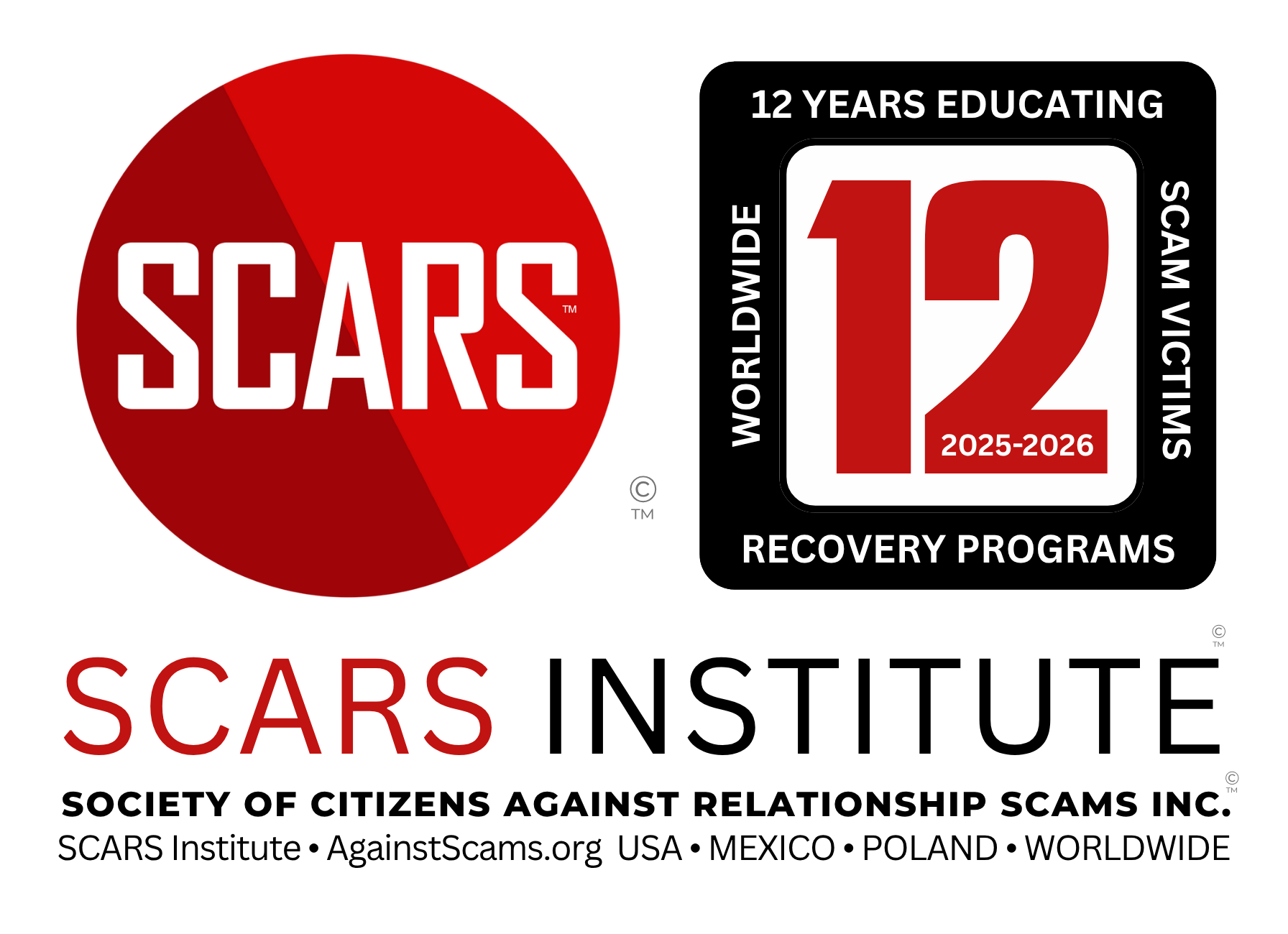

The Persistence of Danielle Delaunay as a Fake Identity
The Enduring Digital Phantom: Why Danielle Delaunay Remains the Scammer’s Favorite Identity Nearly 20 Years Later
How Scams Work – A SCARS Institute Insight
Authors:
• SCARS Institute Encyclopedia of Scams Editorial Team – Society of Citizens Against Relationship Scams Inc.
See Author Biographies Below
Article Abstract
The Danielle Delaunay identity has become a long-running case study in digital identity theft and romance scam exploitation. Scammers have reportedly used her images across thousands of fake profiles, creating fraudulent personas that exploit attraction, trust, loneliness, emotional investment, and limited digital verification skills. The misuse has expanded beyond static photographs into manipulated media and fake video calls, making deception more convincing for victims. The harm affects both scam victims and the real person whose identity was stolen. Victims can experience financial loss, shame, grief, emotional trauma, and damaged trust, while the impersonated individual can face unwanted contact, reputational harm, and personal disruption. Prevention depends on awareness, reverse image searches, contextual verification, skepticism about financial requests, and recognition that repeated online images may signal fraud rather than authenticity.
Keywords
Danielle Delaunay, Romance Scams, Digital Identity Theft, Fake Profiles, Stolen Images, Emotional Manipulation, Sunk Cost Fallacy, Deepfake Video Calls, Online Fraud, Digital Trust

The Enduring Digital Phantom: Why Danielle Delaunay Remains the Scammer’s Favorite Identity Nearly 20 Years Later
In the shadowy world of online romance scams, few identities have proven as enduring and devastatingly effective as that of Danielle Delaunay (also known as Danielle Genevieve). Nearly two decades after scammers first began using her images, she remains one of the most frequently exploited female identities in the digital realm. This phenomenon raises a critical question: How has one woman’s identity maintained such remarkable longevity in the criminal underworld, and why does it continue to ensnare victims despite increased awareness about online scams?
The Origins of a Digital Ghost
The Danielle Delaunay identity crisis began when scammers obtained photographs of the adult film actress and began using them across various platforms to create fake personas. According to reports, her identity has been stolen by more than 10,000 different scammers operating globally. The sheer scale of this theft is staggering, transforming her from an individual into a digital commodity distributed across countless fraudulent profiles.
What makes the Delaunay case particularly troubling is the sophisticated methods scammers now employ. Beyond static images, they’ve advanced to creating fake video calls that appear to show Danielle moving and speaking in real-time, a technique that adds a dangerous layer of authenticity to their deceptions. These technological manipulations make it increasingly difficult for victims to distinguish between genuine interaction and elaborate ruse.
The Psychology Behind the Perfect Scam Identity
Several factors explain why Danielle’s identity has proven so remarkably persistent in the scammer ecosystem:
Aesthetic Appeal and Trustworthiness
Delaunay’s appearance embodies a particular aesthetic that resonates with target demographics. Her images project an approachable yet attractive persona that strikes the delicate balance scammers seek, appealing enough to attract interest but not so intimidating as to seem unattainable. This creates a psychological opening for manipulation that less carefully curated identities might not achieve.
The Illusion of Authenticity
Perhaps counterintuitively, the very notoriety of the Danielle Delaunay identity has become part of its effectiveness. When confronted with accusations of being a scam, perpetrators can point to the widespread use of her images by others, creating plausible deniability. They might claim, “Yes, scammers use my photos, but I’m the real Danielle,” a tactic that leverages confusion to maintain deception.3
Emotional Investment and Sunk Cost Fallacy
Victims who have invested time, emotion, and often money into relationships with people using Danielle’s images become increasingly resistant to contradictory evidence. The psychological principle of sunk cost fallacy makes it difficult for them to admit they’ve been deceived, especially when they’ve already sent money or shared personal information.4
The Technological Arms Race
The persistence of the Delaunay identity also reflects the evolving technological capabilities of scammers:
Deepfakes and Manipulated Media
As mentioned earlier, scammers now employ sophisticated techniques to create manipulated videos featuring Danielle’s likeness.2 These technological advancements mean that even video calls, once considered a relatively reliable verification method, can no longer be trusted implicitly.
Cross-Platform Proliferation
The widespread distribution of Danielle’s images across platforms like Facebook, Instagram, and dating sites creates a web of digital footprints that lend apparent credibility to fake profiles.4 When victims search for verification, they often find numerous accounts using the same images, mistakenly interpreting this multiplicity as authenticity rather than fraud.
The Human Element: Why Vulnerabilities Persist
Despite increased awareness about online scams, several human factors ensure the continued effectiveness of the Danielle Delaunay identity:
Loneliness and Connection Seeking
Many scam victims are motivated by genuine loneliness and a desire for connection. Scammers exploiting Danielle’s identity capitalize on this vulnerability, offering the promise of companionship and affection that may be absent from victims’ lives.5
Limited Digital Literacy
Despite technological advancement, many internet users lack the skills to verify online identities effectively. Techniques like reverse image searches remain underutilized, allowing scammers to continue using the same stolen images repeatedly.5
Emotional Manipulation Expertise
Scammers using Danielle’s identity have honed their emotional manipulation tactics over years of practice. They’ve developed sophisticated scripts and approaches specifically tailored to complement the Delaunay persona, making their deceptions increasingly convincing.3
The Ripple Effects: Beyond Financial Loss
The enduring use of Danielle’s identity creates consequences that extend far beyond financial losses:
Identity Theft Complications
The widespread unauthorized use of her images has forced the real Danielle Delaunay to change her name on official identification documents, demonstrating how digital identity theft can have real-world legal and administrative consequences.1
Emotional Toll on Victims and Subject
Victims of these scams often experience profound emotional trauma, including shame, embarrassment, and trust issues that can impact future relationships. Meanwhile, the real Danielle Delaunay reports feeling exhausted and frustrated by constant contact from scam victims, some of whom even blame her for their losses.5
Erosion of Digital Trust
The prevalence of such scams contributes to a broader erosion of trust in online interactions, potentially undermining genuine connections and relationships formed through digital platforms.
Breaking the Cycle: Awareness and Prevention
As Danielle Delaunay herself advises in her video warnings: “NEVER EVER SEND ANYTHING TO ANYONE YOU HAVE NEVER MET IN PERSON. IT IS ALWAYS A SCAM.”3 This simple principle remains the most effective defense against romance scams, regardless of the identity being exploited.
Additional protective measures include:
- Conducting reverse image searches on profile pictures
- Insisting on video calls with contextual verification (asking the person to perform specific actions)
- Being skeptical of excuses for avoiding in-person meetings or video chats
- Recognizing that authentic relationships don’t typically involve urgent financial requests5
The Future of Digital Identity Theft
The nearly two-decade longevity of the Danielle Delaunay scam identity serves as a sobering case study in digital exploitation. As technology continues to advance, the potential for increasingly sophisticated identity theft grows, making awareness and education more crucial than ever.
Until technological solutions can reliably detect and prevent such deceptions, human vigilance remains the most effective defense. The persistence of the Delaunay identity reminds us that behind every digital scam are real people, both the victims whose trust is violated and the individuals whose identities are stolen without consent.
In an era where digital identities become increasingly commodified, the story of Danielle Delaunay stands as a cautionary tale about the enduring power of stolen images and the human vulnerabilities that make such deceptions possible. Only through continued education, awareness, and healthy skepticism can we hope to diminish the effectiveness of such scams in the future.
Conclusion
The long-running misuse of the Danielle Delaunay identity demonstrates how stolen images can become embedded in the machinery of online fraud for years or decades. Once a recognizable face becomes useful to scammers, it can be copied, circulated, modified, and reused across thousands of fake profiles. This creates harm on multiple levels. Victims are deceived through a false identity that appears emotionally convincing, while the real person whose images were stolen is forced to live with the consequences of almost unlimited repeated impersonations.
The persistence of this stolen identity also shows why romance scams cannot be understood only as isolated acts of deception. They are part of a broader system of digital manipulation that uses emotional vulnerability, technological tools, cross-platform repetition, and psychological pressure to create credibility. Fake profiles, manipulated media, deepfake video calls, and repeated use of familiar images can make deception appear authentic enough to overcome doubt. Victims who become emotionally invested then struggle to accept contradictory evidence because bonding, grief, hope, shame, and sunk cost thinking all work against clear judgment.
The damage extends beyond financial loss. Romance scam victims experience shame, embarrassment, distrust, grief, and emotional trauma after discovering that the relationship was fabricated. The person whose identity was stolen can also experience ongoing distress, unwanted contact and even threats, reputational harm, and administrative complications. These consequences reveal that digital identity theft is not a victimless or abstract crime. It harms both the people targeted by scammers and the individuals whose images are weaponized.
The majority of the platform owners take little or no action, so the strongest protection remains informed skepticism, careful verification, and refusal to send money or valuables to anyone not met in person and independently confirmed. Reverse image searches, contextual video verification, awareness of common excuses, and recognition of urgent financial requests can reduce risk. However, prevention also requires broader public education about how stolen identities function in romance scams. As manipulated media becomes more convincing, victims and communities must understand that seeing a face, finding multiple profiles, or participating in a video call does not guarantee authenticity. Digital trust now requires verification, patience, and a clear understanding of how criminals exploit both technology and human emotion.

Glossary
- Aesthetic Appeal — Aesthetic appeal refers to the visual qualities of a stolen identity that make it attractive, approachable, and emotionally believable to targets. In romance scams, scammers select images that seem desirable but not unreachable, because this balance helps create interest without immediate suspicion. This visual strategy supports manipulation by making the false persona feel both appealing and possible. — Scam Manipulation
- Authenticity Illusion — Authenticity illusion refers to the false sense that an online identity is real because it appears repeatedly across platforms or uses convincing media. Scammers can exploit this illusion by showing victims multiple profiles, images, or videos that seem to confirm the same identity. The repetition creates apparent credibility even when the accounts are fraudulent. — Scam Manipulation
- Awareness and Prevention — Awareness and prevention refers to the knowledge, habits, and verification practices that reduce vulnerability to online romance scams. Awareness helps potential victims recognize stolen images, urgent money requests, excuses, and manipulated media. Prevention depends on skepticism, verification, and refusal to send money or valuables to people who have not been independently confirmed. — Vulnerability Awareness
- Contextual Video Verification — Contextual video verification refers to asking a person on video to perform specific real-time actions that are difficult to fake or pre-record. This practice can expose some forms of impersonation when the person cannot respond naturally to unexpected requests. It is not perfect, but it offers stronger verification than accepting a video call at face value. — Vulnerability Awareness
- Cross-Platform Proliferation — Cross-platform proliferation refers to the spread of the same stolen identity across many online platforms, including social media, dating sites, and messaging services. This spread creates a web of fake digital traces that can mislead victims during verification. Multiple profiles using the same images often indicate fraud rather than authenticity. — Criminal Exploitation
- Danielle Delaunay Identity Crisis — Danielle Delaunay’s identity crisis refers to the large-scale misuse of Danielle Delaunay’s photographs by romance scammers across the world. Her images reportedly became part of thousands of fraudulent profiles and scams. The crisis shows how one stolen identity can become a repeated tool for criminal exploitation. — Criminal Exploitation
- Deepfake Video Calls — Deepfake video calls refer to manipulated or synthetic video interactions that appear to show a real person moving and speaking in real time. Scammers use these tools to make stolen identities appear more convincing than static photographs. This development weakens the traditional belief that video calls are reliable proof of identity. — Scam Manipulation
- Digital Commodity — Digital commodity refers to a person’s stolen image or identity being treated as reusable criminal property. Scammers can copy, sell, share, modify, and deploy the same image across many fake personas. This turns a real person’s identity into a tool for repeated exploitation. — Criminal Exploitation
- Digital Footprints — Digital footprints refer to the online traces created by profiles, images, posts, accounts, and repeated appearances of a name or face. Victims can mistake these traces for proof that a person is genuine. In romance scams, many digital footprints can be deliberately created or duplicated by scammers. — Vulnerability Awareness
- Digital Ghost — Digital ghost refers to a stolen identity that circulates online apart from the real person it belongs to. The false version continues appearing in fake profiles, messages, manipulated media, and scam operations. This creates a haunting digital presence that harms victims and the person whose identity was stolen. — Criminal Exploitation
- Digital Identity Theft — Digital identity theft refers to the unauthorized use of another person’s images, name, likeness, or online presence to create deception. In romance scams, stolen identities allow criminals to present a believable face while hiding their true identity. This crime harms both the scam victim and the person being impersonated. — Criminal Exploitation
- Digital Trust Erosion — Digital trust erosion refers to the weakening of confidence in online relationships, profiles, images, and digital interactions. Repeated exposure to scams, stolen identities, and manipulated media can make genuine online connections feel unsafe. This erosion affects victims, communities, and broader public confidence in digital communication. — Social Support
- Emotional Investment — Emotional investment refers to the time, hope, affection, attention, and personal meaning a victim places into a relationship. In romance scams, emotional investment can make contradictory evidence harder to accept. The stronger the investment becomes, the more painful it can feel to recognize the deception. — Victim Psychology
- Emotional Manipulation Expertise — Emotional manipulation expertise refers to the practiced ability of scammers to influence trust, attachment, hope, guilt, sympathy, and urgency. Criminals refine scripts and techniques that fit the stolen identity they are using. This expertise makes the deception feel personal, responsive, and emotionally convincing. — Scam Manipulation
- Emotional Toll on Victims — Emotional toll on victims refers to the shame, grief, embarrassment, distrust, and distress that often follow discovery of a romance scam. Victims can mourn both money and the false relationship they believed was real. These emotional effects can interfere with future trust, relationships, and recovery. — Trauma Response
- Emotional Toll on the Impersonated Subject — Emotional toll on the impersonated subject refers to the distress experienced by the real person whose identity has been repeatedly stolen. This person can face unwanted contact, accusations, blame, reputational harm, and exhaustion from repeated victim outreach. Identity theft can therefore create injury beyond the scam victims themselves. — Moral Injury
- False Persona — False persona refers to the invented identity created by scammers using stolen images, fabricated details, and emotional scripts. The persona is designed to appear believable, desirable, and trustworthy. Victims interact with the persona while the real criminal remains hidden behind it. — Scam Manipulation
- Financial Request Pattern — Financial request pattern refers to the repeated use of urgent or emotional requests for money, gifts, cards, cryptocurrency, or valuables during romance scams. These requests often follow a period of trust-building and emotional dependency. Authentic relationships do not typically require urgent financial rescue from someone never met in person. — Scam Manipulation
- Genuine Connection Seeking — Genuine connection seeking refers to the human desire for affection, companionship, recognition, and emotional closeness. Scammers exploit this need by offering attention and intimacy through a stolen identity. The vulnerability lies not in weakness, but in normal human needs being targeted by criminals. — Victim Psychology
- Healthy Skepticism — Healthy skepticism refers to cautious evaluation of online claims, identities, images, and relationship requests without rejecting all human connections. It helps potential victims pause before accepting emotional stories or financial emergencies as true. This kind of skepticism protects trust by requiring evidence before commitment. — Vulnerability Awareness
- Identity Theft Complications — Identity theft complications refer to the real-world legal, administrative, emotional, and reputational problems caused by repeated identity misuse. The person whose image is stolen can face unwanted contact, false accusations, and even pressure to change official documents or public identity markers. These complications show that digital impersonation creates consequences beyond the screen. — Criminal Exploitation
- Image-Based Impersonation — Image-based impersonation refers to using another person’s photographs to create a fake online identity. Romance scammers rely on this method because images help establish attraction and credibility quickly. The victim sees a real face, but the relationship is built around a fraudulent identity. — Scam Manipulation
- In-Person Meeting Standard — In-person meeting standard refers to the protective principle that money, valuables, or intimate trust should not be given to someone who has never been met and independently verified. This standard reduces the power of fake profiles, stolen images, and manipulated video. It is one of the clearest safety rules against romance scams. — Vulnerability Awareness
- Longevity of a Scam Identity — Longevity of a scam identity refers to how long a stolen face or persona remains useful inside criminal networks. The Danielle Delaunay case demonstrates that a single identity can remain active in scams for many years. Longevity increases harm because victims continue encountering the same false identity across time and platforms. — Criminal Exploitation
- Manipulated Media — Manipulated media refers to altered images, videos, or audio used to create false impressions of authenticity. Scammers can use manipulated media to make stolen identities appear alive, responsive, and present. This makes verification harder and increases the emotional power of the deception. — Scam Manipulation
- Multiplicity as False Proof — Multiplicity as false proof refers to victims misinterpreting many profiles or appearances of the same image as confirmation of authenticity. Scammers benefit when repeated stolen images across platforms look like a broad digital history. In reality, this repetition often signals organized misuse rather than truth. — Cognitive Processing
- Notoriety Defense — Notoriety defense refers to a scammer using the known widespread misuse of an image to claim that other profiles are fake while theirs is real. This tactic turns public awareness of fraud into a tool for continued deception. It allows criminals to preserve trust by exploiting confusion. — Scam Manipulation
- Online Verification Failure — Online verification failure refers to the inability to confirm an online identity accurately despite available tools and warning signs. Limited digital literacy, emotional investment, and manipulated media can all contribute to this failure. Scammers depend on incomplete verification to keep victims engaged. — Vulnerability Awareness
- Persona-Specific Scripts — Persona-specific scripts refer to scammer messages and emotional strategies designed to match the stolen identity being used. These scripts can make the fake person seem consistent, attractive, caring, and believable. Over time, repeated use allows scammers to refine approaches that produce stronger emotional compliance. — Scam Manipulation
- Plausible Deniability — Plausible deniability refers to a tactic that allows scammers to explain suspicious evidence in a way that appears possible enough to delay doubt. A scammer can claim that other criminals stole the same photos while insisting that the current profile is genuine. This tactic keeps victims uncertain and emotionally engaged. — Scam Manipulation
- Platform Inaction — Platform inaction refers to the limited or inadequate response of online platforms when stolen identities, fake profiles, and scam accounts are reported. When platforms fail to remove fraudulent accounts quickly, scammers can continue exploiting victims. Weak enforcement allows stolen images to remain profitable criminal tools. — Criminal Exploitation
- Profile Picture Verification — Profile picture verification refers to checking whether an online profile image appears elsewhere, belongs to another person, or has been reused in scams. Reverse image searches can help identify stolen photographs, although they do not catch every fake profile. This practice is a basic safety step in online relationship verification. — Vulnerability Awareness
- Repeated Impersonation — Repeated impersonation refers to the ongoing reuse of a stolen identity by many scammers across time, platforms, and victims. This pattern can create thousands of false profiles using the same face. The repetition deepens harm for victims and the person whose identity is exploited. — Criminal Exploitation
- Reverse Image Search — Reverse image search refers to using a search tool to find where a photograph appears online. In romance scam prevention, it can reveal stolen images, duplicate profiles, adult content sources, or previous scam reports. This tool remains underused even though it can expose many image-based impersonations. — Vulnerability Awareness
- Romance Scam Identity — Romance scam identity refers to a false identity used to create affection, trust, and emotional dependency for criminal gain. The identity may be built from stolen images, fabricated background stories, and scripted emotional communication. Its purpose is not relationship, but manipulation and extraction. — Scam Manipulation
- Scam Ecosystem — Scam ecosystem refers to the wider environment of fake profiles, stolen images, criminal scripts, platform failures, manipulated media, and victim vulnerabilities that allow romance scams to persist. A stolen identity can circulate through this ecosystem for years. The ecosystem survives because technology, human emotion, and weak enforcement interact. — Criminal Exploitation
- Scam Identity Persistence — Scam identity persistence refers to the continued effectiveness of a stolen identity despite public warnings, repeated exposure, and victim awareness. Persistence occurs when images remain available, platforms fail to intervene, and scammers adapt their explanations. Emotional investment and digital confusion help the false identity remain useful. — Scam Manipulation
- Sophisticated Scam Methods — Sophisticated scam methods refer to advanced deception techniques that go beyond simple fake profiles. These methods include manipulated media, fake video calls, cross-platform identity construction, and tailored emotional scripts. Their purpose is to make fraudulent relationships appear authentic enough to override doubt. — Scam Manipulation
- Stolen Images — Stolen images refer to photographs taken without consent and used to create fraudulent identities. In romance scams, stolen images give criminals a believable face while protecting their real identity. The theft harms victims of the scam and the person whose likeness is misused. — Criminal Exploitation
- Sunk Cost Fallacy — Sunk cost fallacy refers to the tendency to continue investing in something because time, emotion, money, or effort has already been invested. Romance scam victims can resist evidence of deception because accepting the truth means facing the full emotional and financial loss. This cognitive pattern can keep victims attached to the false relationship. — Cognitive Processing
- Target Demographics — Target demographics refers to the types of victims scammers believe are most likely to respond to a specific stolen identity. Criminals select images and personas that match the desires, loneliness, age range, or emotional needs of intended targets. The selection is strategic rather than random. — Scam Manipulation
- Technological Arms Race — Technological arms race refers to the ongoing contest between scammers developing more convincing deception tools and victims, platforms, and investigators trying to detect them. Deepfakes, manipulated video, and cross-platform profiles make scams harder to identify. Prevention must evolve as criminal technology becomes more sophisticated. — Criminal Exploitation
- Unauthorized Image Use — Unauthorized image use refers to using a person’s photographs without permission for deception, impersonation, or exploitation. This misuse can damage the real person’s reputation, privacy, safety, and emotional well-being. It also creates the foundation for many romance scam identities. — Criminal Exploitation
- Urgent Financial Requests — Urgent financial requests refer to pressure-based demands for money that rely on crisis, sympathy, fear, or emotional obligation. Romance scammers often introduce these requests after building affection and trust. Urgency reduces careful thinking and increases compliance. — Scam Manipulation
- Victim Blaming the Subject — Victim blaming the subject refers to scam victims directing anger or responsibility toward the real person whose identity was stolen. This reaction can happen when grief and shock make the fraud difficult to process. The real subject is also a victim of identity theft and is not responsible for the criminals’ actions. — Victim Psychology
- Video Call Deception — Video call deception refers to the use of manipulated, staged, pre-recorded, or deepfake video to make a fake identity appear real. Victims may trust video because it feels more direct than photographs or text. Modern manipulation tools mean that video alone no longer proves identity. — Scam Manipulation
- Weaponized Identity — Weaponized identity refers to a stolen name, face, or likeness being used as an instrument of fraud and emotional exploitation. Scammers use the identity to build trust, create attachment, and extract money or personal information. The person whose identity is weaponized becomes connected to harm they did not cause. — Criminal Exploitation
To Understand All Scams, Read This:
The SCARS Institute Relationship Scams Formula Checklist
This is the Formula that all Relationship Scams Follow
-/ 30 /-
What do you think about this?
Please share your thoughts in a comment below!
Table of Contents




In the U.S. & Canada
U.S. & Canada Suicide Lifeline 988
Please Leave A Comment!
Please tell us what you took from this?
Commenting is an essential part of healing
Read • Think • Write
Thank you for your comment. You may receive an email to follow up. We never share your data with marketers.
Recent Comments
On Other Articles
- on The SCARS Institute Relationship Scams Formula Checklist – 2026: “As I read this I could see myself in every step with my scam. I gained a lot more knowledge…” Aug 28, 19:51
- on The Persistence of Danielle Delaunay as a Fake Identity – 2026: “Unfortunately, you are being scammed. She is using a fake name regardless. At this point, your best option is to…” Aug 26, 20:16
- on The Persistence of Danielle Delaunay as a Fake Identity – 2026: “Dear Sirs, I have met this woman with the name Abigail Boateng in Ghana. I have an intensive mail contact…” Aug 26, 12:28
- on Trauma-Induced Fear May Cause Paranoia: “Very interesting article. I’m wondering if someone would likely recognize that they’re becoming increasingly paranoid, or hypervigilant, or does it…” Aug 24, 12:07
- on Spotting AI Scams – Using AI to Catch Artificial Intelligence Scams – 2026: “Wow, very useful and thorough advice! I don’t plan on talking to any strangers online ever again, at least not…” Aug 22, 22:11
- on The Persistence of Danielle Delaunay as a Fake Identity – 2026: “Knowing they are criminals, why would you want to talk to them? Avoid all strangers online.” Aug 19, 12:54
- on The Persistence of Danielle Delaunay as a Fake Identity – 2026: “THERE ARE THREE DANIELLE DELAUNAYS ON FACEBOOK RIGHT NOW USEING HER NAME AND PHOTOS. I’M BEING TOLD THEY ARE ALL…” Aug 19, 11:15
- on Natalie Sparks: Have You Seen Her? Another Stolen Face / Stolen Identity: “John, we are sorry, but you are still being scammed.” Aug 19, 09:52
- on #1 Worldwide – SCARS Anyscam.com: “You have been scammed. The unfortunate part about the images is difficult to address. You can learn more about Sextortion…” Aug 19, 09:48
- on SCARS™ Scam News Now: Six Ghanaian Scammers Arrested in the U.K. For Online Fraud: “Ann, recognizing that it was a scam is the first step in healing. We can help in your after-scam healing…” Aug 19, 09:47
ARTICLE META
Important Information for New Scam Victims
- Please visit www.ScamVictimsSupport.org – a SCARS Website for New Scam Victims & Sextortion Victims
- Enroll in FREE SCARS Scam Survivor’s School now at www.SCARSeducation.org
- Please visit www.ScamPsychology.org – to more fully understand the psychological concepts involved in scams and scam victim recovery
If you are looking for local trauma counselors please visit counseling.AgainstScams.org or join SCARS for our counseling/therapy benefit: membership.AgainstScams.org
If you need to speak with someone now, you can dial 988 or find phone numbers for crisis hotlines all around the world here: www.opencounseling.com/suicide-hotlines
A Note About Labeling!
We often use the term ‘scam victim’ in our articles, but this is a convenience to help those searching for information in search engines like Google. It is just a convenience and has no deeper meaning. If you have come through such an experience, YOU are a Survivor! It was not your fault. You are not alone! Axios!
A Question of Trust
At the SCARS Institute, we invite you to do your own research on the topics we speak about and publish, Our team investigates the subject being discussed, especially when it comes to understanding the scam victims-survivors experience. You can do Google searches but in many cases, you will have to wade through scientific papers and studies. However, remember that biases and perspectives matter and influence the outcome. Regardless, we encourage you to explore these topics as thoroughly as you can for your own awareness.
Statement About Victim Blaming
SCARS Institute articles examine different aspects of the scam victim experience, as well as those who may have been secondary victims. This work focuses on understanding victimization through the science of victimology, including common psychological and behavioral responses. The purpose is to help victims and survivors understand why these crimes occurred, reduce shame and self-blame, strengthen recovery programs and victim opportunities, and lower the risk of future victimization.
At times, these discussions may sound uncomfortable, overwhelming, or may be mistaken for blame. They are not. Scam victims are never blamed. Our goal is to explain the mechanisms of deception and the human responses that scammers exploit, and the processes that occur after the scam ends, so victims can better understand what happened to them and why it felt convincing at the time, and what the path looks like going forward.
Articles that address the psychology, neurology, physiology, and other characteristics of scams and the victim experience recognize that all people share cognitive and emotional traits that can be manipulated under the right conditions. These characteristics are not flaws. They are normal human functions that criminals deliberately exploit. Victims typically have little awareness of these mechanisms while a scam is unfolding and a very limited ability to control them. Awareness often comes only after the harm has occurred.
By explaining these processes, these articles help victims make sense of their experiences, understand common post-scam reactions, and identify ways to protect themselves moving forward. This knowledge supports recovery by replacing confusion and self-blame with clarity, context, and self-compassion.
Additional educational material on these topics is available at ScamPsychology.org – ScamsNOW.com and other SCARS Institute websites.
Psychology Disclaimer:
All articles about psychology and the human brain on this website are for information & education only
The information provided in this article is intended for educational and self-help purposes only and should not be construed as a substitute for professional therapy or counseling.
While any self-help techniques outlined herein may be beneficial for scam victims seeking to recover from their experience and move towards recovery, it is important to consult with a qualified mental health professional before initiating any course of action. Each individual’s experience and needs are unique, and what works for one person may not be suitable for another.
Additionally, any approach may not be appropriate for individuals with certain pre-existing mental health conditions or trauma histories. It is advisable to seek guidance from a licensed therapist or counselor who can provide personalized support, guidance, and treatment tailored to your specific needs.
If you are experiencing significant distress or emotional difficulties related to a scam or other traumatic event, please consult your doctor or mental health provider for appropriate care and support.
Also read our SCARS Institute Statement about Professional Care for Scam Victims – click here to go to our ScamsNOW.com website.


Dear Sirs,
I have met this woman with the name Abigail Boateng in Ghana.
I have an intensive mail contact to her – and lent her a lot of money with a contract to pay me back – did not happen so.
In last time she does beg more and more for money – has no work – lost some work…..
May I ask you, if you do have informations about her real location?
Kind regards
Hansi
Unfortunately, you are being scammed. She is using a fake name regardless. At this point, your best option is to end all contact and block hr. Then report the crime to both your local police as fraud and to the FBI at http://www.IC3.gov This will help protect you if it is found that you have been funding criminal organizations or terrorism.
When you are ready to move forward, you are welcome to join our support community.
THERE ARE THREE DANIELLE DELAUNAYS ON FACEBOOK RIGHT NOW USEING HER NAME AND PHOTOS. I’M BEING TOLD THEY ARE ALL FAKES. ONE WANTS TO TALK ON PHONE. I THINK IF I DO THAT THEY WILL USE MY PHONE NUMBER FOR SOME FRAUD.
Knowing they are criminals, why would you want to talk to them? Avoid all strangers online.
That was the woman they used with me!! They were able to send a video of her talking on one of her chats as they were on a video feed with me. If you only knew then what you know now.
That’s sad but they do a lot