




SCARS Institute’s Encyclopedia of Scams™ Published Continuously for 25 Years



Protecting the People: The Role that Governments are or are not taking in Combating Cybercrime
Governments’ Stance on Crime in General and How This Might Impact Cybercrime: A Critical Factor in Protecting Citizens and National Security
Advocacy / Criminology – A SCARS Institute Special Report
Author:
• Tim McGuinness, Ph.D., DFin, MCPO, MAnth – Anthropologist, Scientist, Director of the Society of Citizens Against Relationship Scams Inc.
See Author Biographies Below
Article Abstract
Governments worldwide face challenges in curbing cybercrime due to lenient stances on crime, which may inadvertently encourage fraudulent activities. Reduced law enforcement budgets and a lack of emphasis on cybercrime create opportunities for perpetrators to operate freely, while immunity for online platforms complicates accountability. Political resistance to extradition and policies like cashless bail further signal minimal repercussions, eroding trust in justice systems and potentially funding terrorist operations through cyber gains. Voter support for such leaders often stems from progressive ideals, media focus on police misconduct, and preference for immediate benefits over long-term safety, shaping a complex landscape for addressing these threats.

Governments’ Stance on Crime in General and How This Might Impact Cybercrime: A Critical Factor in Protecting Citizens and National Security
A Brief Look
Governments worldwide must adopt a robust anti-crime stance to effectively combat the rising tide of cybercrime, scams, and fraud.
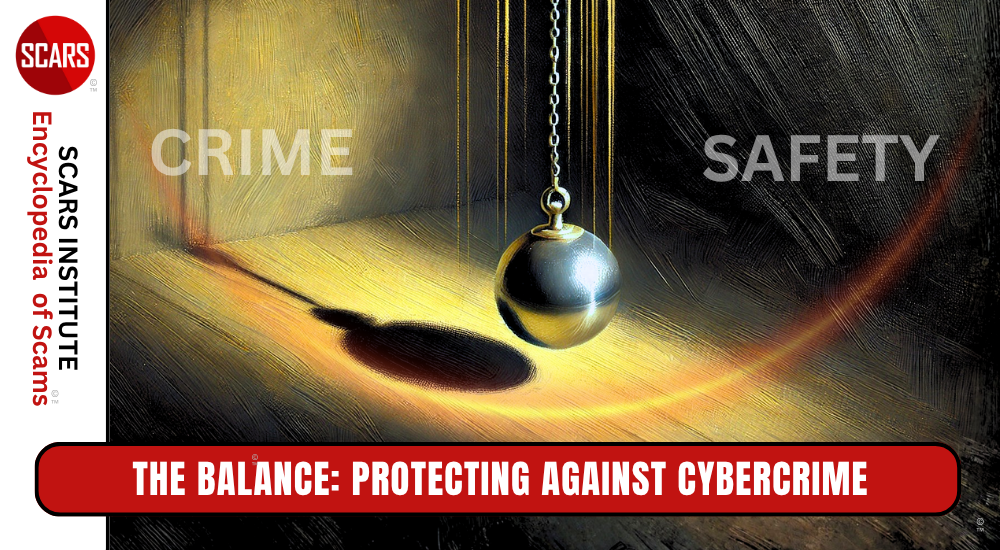
A comprehensive approach to cybercrime requires not only technological solutions but also stringent legal and enforcement measures. Reduced law enforcement budgets and a lack of focus on cybercrime create vulnerabilities that criminals can exploit. When governments fail to prioritize cybercrime, or even crime in general, they inadvertently (or purposefully) provide a safe haven for perpetrators, who can operate with impunity, leading to increased incidents of fraud and theft (as well as other forms of crime, both violent and nonviolent).
Providing immunity to online platforms that facilitate criminal activities further complicates efforts to hold wrongdoers accountable. This leniency emboldens criminals, knowing that the platforms they use are shielded from legal consequences.
Moreover, political resistance to arresting and extraditing criminals, along with policies such as cashless bail and waived prison sentences, sends a clear message that crime does not have severe repercussions.
These measures not only promote criminality but also undermine public trust in the justice system. The lax stance on cybercrime also has far-reaching implications for national security, as many cybercrime activities directly fund terrorist organizations. Terrorists often rely on the proceeds from cybercrimes to support their operations, making it important for governments to address these issues head-on. By strengthening law enforcement capabilities, enhancing international cooperation for the arrest and extradition of criminals, and ensuring that justice is served, governments can create a much stronger deterrent effect that reduces both cybercrime and its associated threats to national security.
Why do Voters Elect Leaders Tolerant of Crime?
The general public’s tendency to overlook the importance of enforcing laws to reduce criminality, particularly in liberal countries, is a complex issue rooted in a variety of factors. One significant reason is the influence of progressive ideologies that prioritize individual rights and social justice over public safety and law enforcement. These ideologies lead progressives to a perception that strict law enforcement is oppressive or discriminatory, which can resonate with voters who are concerned about civil liberties and social equality. Yet, there is little more oppressive than communities ruled by criminal gangs, and the internet ruled by cybercriminals.
Additionally, the media plays a critical role in shaping public opinion. In many liberal countries, the media strongly tends to focus on high-profile cases of police misconduct or injustices, which can create a narrative that law enforcement is inherently flawed and needs reform rather than reinforcement. This media bias leads the public to believe that increasing law enforcement budgets or supporting tough-on-crime policies is counterproductive and potentially harmful to marginalized communities.
Another factor is the immediate versus long-term benefits of law enforcement. Voters often prioritize policies that offer immediate, tangible benefits, such as economic stimulus packages or social programs, over long-term investments in public safety. The effects of reduced law enforcement budgets or lenient criminal justice policies may not be immediately apparent, allowing voters to overlook the potential consequences. This is one of the reasons why it is now estimated that cybercrimes alone account for over US$9.5 trillion dollars in losses each year.
Furthermore, there is a growing skepticism towards government institutions, including law enforcement, which can also lead to a lack of trust in the effectiveness of enforcement measures. This distrust can make it difficult for voters to support policies that strengthen the very institutions they view as problematic, but desperately need for their own personal safety.
In liberal countries, voters also tend to be influenced by the idea of rehabilitation over punishment. There is a belief that focusing on rehabilitation and providing support to offenders can reduce recidivism and, by extension, crime rates, while allowing repeat offenders to kill, rob, and engage in long-term crime sprees. While this approach has merit in some ways, it comes at the expense of deterrence and punishment, which are absolutely critical components of an effective criminal justice system.
Lastly, the political landscape in many liberal countries is such that candidates who advocate for tough-on-crime policies are often labeled as “hardline” or “conservative,” which can be politically unpalatable to large portions of the electorate. As a result, candidates who tolerate crime or advocate for more lenient policies may be seen as more acceptable and, therefore, more appealing to broader voter demographics.
These factors combined lead to a situation where much of the general public, despite the evidence of increased criminality, continues to support candidates and policies that tolerate crime, to the detriment of public safety and national security. History has shown time and again that a hard stance on crime creates a fairer and more thriving country.
Top 50 Economies: Ruling Political Parties and Crime Stance from a Conservative Perspective
The following sections detail the top two main political parties in each of the world’s top 50 economies by nominal GDP, based on the International Monetary Fund’s World Economic Outlook for October 2025. For each country, the analysis identifies the ruling party or coalition in power as of October 2025. It also assesses whether the party or coalition may be reasonably considered more tolerant of crime or not. This assessment draws on the party’s policies, legislative actions, and public positions related to criminal justice, law enforcement, and social order. Examples include specific activities that align with anti-crime measures, such as strengthening penalties or supporting police funding, and pro-crime activities, such as advocating for rehabilitation over incarceration or decriminalization efforts.
We have made an effort to be centrist in this analysis, and the evaluation reflects values emphasizing strict enforcement, individual responsibility, and deterrence.
These are in order of the size of their economy.
United States
The top two political parties in the United States are the Democratic Party and the Republican Party (in power).
The Democratic Party is considered more tolerant of crime. Examples of pro-crime activities include supporting bail reform that releases suspects without cash bail and advocating for reduced sentencing for non-violent offenses. Examples of anti-crime activities include promoting community policing initiatives and backing gun control laws to curb violence.
The Republican Party is not considered tolerant of crime. Examples of anti-crime activities include pushing for stricter immigration enforcement to reduce gang-related crime and supporting increased funding for law enforcement agencies. Examples of pro-crime activities include opposing certain gun regulations that conservatives view as infringing on self-defense rights, but this can also be considered anti-crime in that it enables personal defense.
China
The top two political parties in China are the Chinese Communist Party (in power) and the Revolutionary Committee of the Chinese Kuomintang (minor party).
The Chinese Communist Party is not considered tolerant of crime. Examples of anti-crime activities include implementing strict surveillance systems to monitor public behavior and enforcing harsh penalties for corruption. Examples of pro-crime activities include limiting transparency in legal processes, which conservatives might see as enabling state abuse.
The Revolutionary Committee of the Chinese Kuomintang is not considered tolerant of crime. Examples of anti-crime activities include participating in national anti-corruption campaigns and supporting law enforcement reforms. Examples of pro-crime activities include aligning with the ruling party on policies that restrict individual freedoms, seen as enabling government overreach.
Germany
The top two political parties in Germany are the Social Democratic Party (in power) and the Christian Democratic Union.
The Social Democratic Party is considered more tolerant of crime. Examples of pro-crime activities include advocating for the decriminalization of drug possession and supporting rehabilitation programs over incarceration. Examples of anti-crime activities include strengthening police presence in high-risk areas and promoting integration policies to reduce gang violence.
The Christian Democratic Union is not considered tolerant of crime. Examples of anti-crime activities include pushing for stricter immigration controls to combat organized crime and increasing sentences for violent offenses. Examples of pro-crime activities include supporting EU-wide policies that conservatives view as too lenient on migration-related crime.
Japan
The top two political parties in Japan are the Liberal Democratic Party (in power) and the Constitutional Democratic Party of Japan.
The Liberal Democratic Party is not considered tolerant of crime. Examples of anti-crime activities include enhancing surveillance for public safety and enforcing strict gun control laws. Examples of pro-crime activities include focusing on economic policies over criminal justice reforms, which conservatives might see as indirect tolerance.
The Constitutional Democratic Party of Japan is considered more tolerant of crime. Examples of pro-crime activities include advocating for reduced sentences in juvenile cases and supporting privacy rights over surveillance. Examples of anti-crime activities include promoting community-based crime prevention programs and backing anti-corruption measures.
India
The top two political parties in India are the Bharatiya Janata Party (in power) and the Indian National Congress.
The Bharatiya Janata Party is not considered tolerant of crime. Examples of anti-crime activities include implementing strict anti-terrorism laws and increasing police funding for border security. Examples of pro-crime activities include policies perceived as favoring certain groups, which conservatives might see as enabling communal violence.
The Indian National Congress is considered more tolerant of crime. Examples of pro-crime activities include advocating for bail reforms and supporting minority rights in legal proceedings. Examples of anti-crime activities include pushing for women’s safety laws and anti-corruption commissions.
United Kingdom
The top two political parties in the United Kingdom are the Labour Party (in power) and the Conservative Party.
The Labour Party is considered more tolerant of crime. Examples of pro-crime activities include supporting community sentences over prison for minor offenses and advocating for police reform. Examples of anti-crime activities include increasing funding for youth programs to prevent gang involvement and backing hate crime legislation.
The Conservative Party is not considered tolerant of crime. Examples of anti-crime activities include pushing for tougher sentencing laws and supporting increased police powers. Examples of pro-crime activities include cuts to social services, which conservatives might see as indirectly contributing to crime rates.
France
The top two political parties in France are the Renaissance (in power) and the National Rally.
The Renaissance is considered more tolerant of crime. Examples of pro-crime activities include advocating for decriminalization of soft drugs and supporting prison reform. Examples of anti-crime activities include strengthening anti-terrorism measures and promoting integration policies.
The National Rally is not considered tolerant of crime. Examples of anti-crime activities include pushing for stricter immigration controls to reduce crime and advocating for harsher penalties for repeat offenders. Examples of pro-crime activities include focusing on national identity issues over general law enforcement funding.
Italy
The top two political parties in Italy are the Brothers of Italy (in power) and the Democratic Party.
The Brothers of Italy is not considered tolerant of crime. Examples of anti-crime activities include supporting increased police presence and stricter immigration laws to combat organized crime. Examples of pro-crime activities include prioritizing cultural policies over criminal justice reforms.
The Democratic Party is considered more tolerant of crime. Examples of pro-crime activities include advocating for rehabilitation programs and supporting migrant rights in legal systems. Examples of anti-crime activities include promoting anti-mafia initiatives and backing anticorruption laws.
Russia
The top two political parties in Russia are United Russia (in power) and the Communist Party of the Russian Federation.
The United Russia is not considered tolerant of crime. Examples of anti-crime activities include implementing strict law enforcement policies and enforcing anti-corruption campaigns. Examples of pro-crime activities include limiting judicial independence, seen as enabling state-linked crime.
The Communist Party of the Russian Federation is considered more tolerant of crime. Examples of pro-crime activities include advocating for social welfare over punitive measures. Examples of anti-crime activities include supporting national security laws against external threats.
Canada
The top two political parties in Canada are the Liberal Party (in power) and the Conservative Party.
The Liberal Party is considered more tolerant of crime. Examples of pro-crime activities include supporting bail reform and advocating for drug decriminalization. Examples of anti-crime activities include increasing funding for mental health support to reduce crime roots.
The Conservative Party is not considered tolerant of crime. Examples of anti-crime activities include pushing for mandatory minimum sentences and supporting police funding increases. Examples of pro-crime activities include opposing certain environmental regulations that conservatives view as indirect contributors to economic crime.
Brazil
The top two political parties in Brazil are the Workers’ Party (in power) and the Liberal Party.
The Workers’ Party is considered more tolerant of crime. Examples of pro-crime activities include advocating for prison reform and supporting social programs over punitive measures. Examples of anti-crime activities include promoting anticorruption investigations.
The Liberal Party is not considered tolerant of crime. Examples of anti-crime activities include pushing for tougher law enforcement and supporting military interventions in high-crime areas. Examples of pro-crime activities include focusing on economic liberalization over criminal justice funding.
Spain
The top two political parties in Spain are the Spanish Socialist Workers’ Party (in power) and the People’s Party.
The Spanish Socialist Workers’ Party is considered more tolerant of crime. Examples of pro-crime activities include supporting amnesty for certain political offenses and advocating for reduced sentences. Examples of anti-crime activities include promoting gender violence laws.
The People’s Party is not considered tolerant of crime. Examples of anti-crime activities include pushing for stricter immigration controls and increasing police resources. Examples of pro-crime activities include opposing certain labor laws seen as enabling economic fraud.
Mexico
The top two political parties in Mexico are the National Regeneration Movement (in power) and the National Action Party.
The National Regeneration Movement is considered more tolerant of crime. Examples of pro-crime activities include advocating for “hugs not bullets” approach to cartels and supporting decriminalization of drugs. Examples of anti-crime activities include increasing military involvement in security.
The National Action Party is not considered tolerant of crime. Examples of anti-crime activities include pushing for tougher anti-cartel laws and supporting police reform. Examples of pro-crime activities include focusing on economic policies over security funding.
South Korea
The top two political parties in South Korea are the People Power Party (in power) and the Democratic Party of Korea.
The People Power Party is not considered tolerant of crime. Examples of anti-crime activities include supporting stricter anti-corruption laws and increasing surveillance for security. Examples of pro-crime activities include prioritizing economic growth over criminal justice reforms.
The Democratic Party of Korea is considered more tolerant of crime. Examples of pro-crime activities include advocating for rehabilitation programs and supporting labor rights in legal systems. Examples of anti-crime activities include promoting women’s safety initiatives.
Australia
The top two political parties in Australia are the Australian Labor Party (in power) and the Liberal Party of Australia.
The Australian Labor Party is considered more tolerant of crime. Examples of pro-crime activities include supporting drug decriminalization and advocating for indigenous justice reforms. Examples of anti-crime activities include increasing funding for domestic violence prevention.
The Liberal Party of Australia is not considered tolerant of crime. Examples of anti-crime activities include pushing for stricter border controls and supporting law enforcement funding. Examples of pro-crime activities include opposing certain gun laws seen as limiting self-defense.
Turkey
The top two political parties in Turkey are the Justice and Development Party (in power) and the Republican People’s Party.
The Justice and Development Party is not considered tolerant of crime. Examples of anti-crime activities include implementing strict anti-terrorism laws and enforcing moral codes in society. Examples of pro-crime activities include limiting judicial independence, seen as enabling corruption.
The Republican People’s Party is considered more tolerant of crime. Examples of pro-crime activities include advocating for secular reforms over punitive measures. Examples of anti-crime activities include supporting anticorruption campaigns.
Indonesia
The top two political parties in Indonesia are the Indonesian Democratic Party of Struggle (in power) and Gerindra Party.
The Indonesian Democratic Party of Struggle is considered more tolerant of crime. Examples of pro-crime activities include supporting social welfare over harsh penalties. Examples of anti-crime activities include promoting anti-corruption measures.
The Gerindra Party is not considered tolerant of crime. Examples of anti-crime activities include pushing for military-style security and strict law enforcement. Examples of pro-crime activities include focusing on nationalism over criminal justice.
Netherlands
The top two political parties in the Netherlands are the People’s Party for Freedom and Democracy (in power) and the Party for Freedom.
The People’s Party for Freedom and Democracy is not considered tolerant of crime. Examples of anti-crime activities include supporting market-based security reforms and increasing police funding. Examples of pro-crime activities include prioritizing economic liberalism over punishment.
The Party for Freedom is not considered tolerant of crime. Examples of anti-crime activities include pushing for stricter immigration to reduce crime and advocating harsh penalties for offenders. Examples of pro-crime activities include opposing EU policies seen as lenient.
Saudi Arabia
Saudi Arabia has no political parties, as it is an absolute monarchy. It is considered very tough on crime.
Poland
The top two political parties in Poland are the Civic Coalition (in power) and Law and Justice.
The Civic Coalition is considered more tolerant of crime. Examples of pro-crime activities include supporting judicial reforms seen as weakening punishment and advocating for LGBTQ rights in legal systems. Examples of anti-crime activities include promoting EU-aligned anticorruption laws.
The Law and Justice is not considered tolerant of crime. Examples of anti-crime activities include pushing for stricter national security laws and supporting family values in crime prevention. Examples of pro-crime activities include controlling judiciary, seen as enabling corruption.
Switzerland
The top two political parties in Switzerland are the Swiss People’s Party (in power) and the Social Democratic Party.
The Swiss People’s Party is not considered tolerant of crime. Examples of anti-crime activities include pushing for stricter immigration controls and supporting direct democracy for crime laws. Examples of pro-crime activities include opposing EU integration seen as lenient.
The Social Democratic Party is considered more tolerant of crime. Examples of pro-crime activities include advocating for social welfare over punishment and supporting drug policy reform. Examples of anti-crime activities include promoting equality in legal systems.
Taiwan
The top two political parties in Taiwan are the Democratic Progressive Party (in power) and the Kuomintang.
The Democratic Progressive Party is considered more tolerant of crime. Examples of pro-crime activities include supporting progressive social policies over strict enforcement. Examples of anti-crime activities include strengthening national defense against threats.
The Kuomintang is not considered tolerant of crime. Examples of anti-crime activities include pushing for closer ties with China for security and supporting traditional law enforcement. Examples of pro-crime activities include focusing on economic ties over crime policy.
Belgium
The top two political parties in Belgium are the Christian Democratic and Flemish and the New Flemish Alliance (in power).
The Christian Democratic and Flemish is not considered tolerant of crime. Examples of anti-crime activities include supporting family-oriented policies to prevent crime and advocating for ethical law enforcement. Examples of pro-crime activities include prioritizing social services over punishment.
The New Flemish Alliance is not considered tolerant of crime. Examples of anti-crime activities include pushing for regional autonomy in security and stricter immigration. Examples of pro-crime activities include focusing on independence over national crime strategy.
Argentina
The top two political parties in Argentina are the Union for the Homeland (in power) and Juntos por el Cambio.
The Union for the Homeland is considered more tolerant of crime. Examples of pro-crime activities include supporting social inclusion programs over incarceration and advocating for human rights in prisons. Examples of anti-crime activities include promoting economic stability to reduce crime roots.
The Juntos por el Cambio is not considered tolerant of crime. Examples of anti-crime activities include pushing for market reforms to combat corruption and supporting police empowerment. Examples of pro-crime activities include internal divisions weakening crime policy.
Sweden
The top two political parties in Sweden are the Social Democratic Party (in power) and the Moderate Party.
The Social Democratic Party is considered more tolerant of crime. Examples of pro-crime activities include advocating for rehabilitation over punishment and supporting immigrant integration programs. Examples of anti-crime activities include increasing welfare to prevent social crime.
The Moderate Party is not considered tolerant of crime. Examples of anti-crime activities include pushing for tougher sentencing and police funding increases. Examples of pro-crime activities include focusing on economic policies over security.
Israel
The top two political parties in Israel are the Likud (in power) and the National Unity Party.
The Likud is not considered tolerant of crime. Examples of anti-crime activities include supporting strong military security and strict anti-terror laws. Examples of pro-crime activities include prioritizing settlements over domestic crime.
The National Unity Party is considered more tolerant of crime. Examples of pro-crime activities include advocating for diplomatic solutions over punitive measures. Examples of anti-crime activities include promoting unity in security policies.
Ireland
The top two political parties in Ireland are the Fianna Fáil and Fine Gael (in power).
The Fianna Fáil is not considered tolerant of crime. Examples of anti-crime activities include supporting rural policing and anti-corruption measures. Examples of pro-crime activities include focusing on economic recovery over crime.
The Fine Gael is not considered tolerant of crime. Examples of anti-crime activities include pushing for EU-aligned security and police reform. Examples of pro-crime activities include prioritizing business over social crime prevention.
United Arab Emirates
The United Arab Emirates has no political parties, as it is an absolute monarchy. It is considered tolerant of international crime and intolerant of local crime.
Austria
The top two political parties in Austria are the Austrian People’s Party (in power) and the Social Democratic Party of Austria.
The Austrian People’s Party is not considered tolerant of crime. Examples of anti-crime activities include supporting strict immigration controls and police funding. Examples of pro-crime activities include coalition compromises on social policies.
The Social Democratic Party of Austria is considered more tolerant of crime. Examples of pro-crime activities include advocating for social welfare over punishment. Examples of anti-crime activities include promoting labor rights in legal systems.
Thailand
The top two political parties in Thailand are the Pheu Thai Party (in power) and the Move Forward Party.
The Pheu Thai Party is considered more tolerant of crime. Examples of pro-crime activities include supporting amnesty for political offenders. Examples of anti-crime activities include promoting economic stability to reduce crime.
The Move Forward Party is considered more tolerant of crime. Examples of pro-crime activities include advocating for lèse-majesté reform. Examples of anti-crime activities include pushing for progressive justice.
Norway
The top two political parties in Norway are the Labour Party (in power) and the Conservative Party.
The Labour Party is considered more tolerant of crime. Examples of pro-crime activities include supporting rehabilitation programs. Examples of anti-crime activities include increasing social services to prevent crime.
The Conservative Party is not considered tolerant of crime. Examples of anti-crime activities include pushing for stricter immigration. Examples of pro-crime activities include focusing on economic growth.
Philippines
The top two political parties in the Philippines are the Partido Federal ng Pilipinas (in power) and the Lakas–CMD.
The Partido Federal ng Pilipinas is not considered tolerant of crime. Examples of anti-crime activities include supporting anti-drug campaigns. Examples of pro-crime activities include political alliances seen as corrupt.
The Lakas–CMD is not considered tolerant of crime. Examples of anti-crime activities include promoting law and order policies. Examples of pro-crime activities include coalition politics.
Vietnam
The top two political parties in Vietnam are the Communist Party of Vietnam (no opposition, one-party state).
The Communist Party of Vietnam is not considered tolerant of crime. Examples of anti-crime activities include enforcing strict public order laws. Examples of pro-crime activities include limiting judicial transparency.
Iran
The top two political parties in Iran are the Combatant Clergy Association (in power) and the Society of Militant Clergy.
The Combatant Clergy Association is not considered tolerant of crime. Examples of anti-crime activities include supporting sharia-based punishments. Examples of pro-crime activities include state control seen as enabling corruption.
The Society of Militant Clergy is not considered tolerant of crime. Examples of anti-crime activities include advocating for moral law enforcement. Examples of pro-crime activities include political infighting.
Malaysia
The top two political parties in Malaysia are the Pakatan Harapan (in power) and the Perikatan Nasional.
The Pakatan Harapan is considered more tolerant of crime. Examples of pro-crime activities include supporting reformist policies. Examples of anti-crime activities include anti-corruption drives.
The Perikatan Nasional is not considered tolerant of crime. Examples of anti-crime activities include pushing for Islamic law enforcement. Examples of pro-crime activities include coalition instability.
Bangladesh
The top two political parties in Bangladesh are out of power, and the interim administration led by Chief Adviser Muhammad Yunus is in power.
The Awami League is not considered tolerant of crime. Examples of anti-crime activities include enforcing anti-terror laws. Examples of pro-crime activities include suppressing opposition, seen as enabling abuse.
The Bangladesh Nationalist Party is considered more tolerant of crime. Examples of pro-crime activities include political protests seen as chaotic. Examples of anti-crime activities include advocating for democracy.
Denmark
The top two political parties in Denmark are the Social Democrats (in power) and the Liberal Party.
The Social Democrats is considered more tolerant of crime. Examples of pro-crime activities include supporting welfare over punishment. Examples of anti-crime activities include promoting integration to reduce crime.
The Liberal Party is not considered tolerant of crime. Examples of anti-crime activities include pushing for stricter immigration. Examples of pro-crime activities include economic focus over security.
Colombia
The top two political parties in Colombia are the Historic Pact for Colombia (in power) and the Democratic Center.
The Historic Pact for Colombia is considered more tolerant of crime. Examples of pro-crime activities include negotiating with guerrillas. Examples of anti-crime activities include social reform to reduce poverty-driven crime.
The Democratic Center is not considered tolerant of crime. Examples of anti-crime activities include supporting military anti-drug operations. Examples of pro-crime activities include political polarization.
South Africa
The top two political parties in South Africa are the African National Congress (in power) and the Democratic Alliance.
The African National Congress is considered more tolerant of crime. Examples of pro-crime activities include slow anticorruption progress. Examples of anti-crime activities include community safety programs.
The Democratic Alliance is not considered tolerant of crime. Examples of anti-crime activities include advocating for stronger law enforcement. Examples of pro-crime activities include opposition politics.
Hong Kong
The top two political parties in Hong Kong are the Pro-Beijing camp (in power) and the Pro-democracy camp.
The Pro-Beijing camp is not considered tolerant of crime. Examples of anti-crime activities include supporting national security laws. Examples of pro-crime activities include restricting freedoms, seen as enabling abuse.
The Pro-democracy camp is considered more tolerant of crime. Examples of pro-crime activities include protesting against security laws. Examples of anti-crime activities include advocating for transparency.
Romania
The top two political parties in Romania are the National Liberal Party and the Social Democratic Party (in power).
The National Liberal Party is not considered tolerant of crime. Examples of anti-crime activities include supporting EU anticorruption standards. Examples of pro-crime activities include coalition compromises.
The Social Democratic Party is considered more tolerant of crime. Examples of pro-crime activities include past corruption scandals. Examples of anti-crime activities include social welfare programs.
Chile
The top two political parties in Chile are the Social Convergence (in power) and the Christian Democratic Party.
The Social Convergence is considered more tolerant of crime. Examples of pro-crime activities include supporting constitutional reforms seen as lenient. Examples of anti-crime activities include promoting equality to reduce crime.
The Christian Democratic Party is not considered tolerant of crime. Examples of anti-crime activities include advocating for family values in law. Examples of pro-crime activities include moderate social policies.
Czech Republic
The top two political parties in the Czech Republic are the ANO 2011 (in power) and the Civic Democratic Party.
The ANO 2011 is not considered tolerant of crime. Examples of anti-crime activities include supporting economic reforms to reduce corruption. Examples of pro-crime activities include leader’s past legal issues.
The Civic Democratic Party is not considered tolerant of crime. Examples of anti-crime activities include pushing for free market security. Examples of pro-crime activities include coalition politics.
Egypt
The top two political parties in Egypt are the Nation’s Future Party (in power) and the Republican People’s Party.
The Nation’s Future Party is not considered tolerant of crime. Examples of anti-crime activities include supporting government security measures. Examples of pro-crime activities include state control.
The Republican People’s Party is not considered tolerant of crime. Examples of anti-crime activities include advocating for national unity in law. Examples of pro-crime activities include limited opposition role.
Portugal
The top two political parties in Portugal are the Socialist Party and the Social Democratic Party. The Democratic Alliance holds power.
The Socialist Party is considered more tolerant of crime. Examples of pro-crime activities include supporting drug decriminalization. Examples of anti-crime activities include social programs to prevent crime.
The Social Democratic Party is not considered tolerant of crime. Examples of anti-crime activities include pushing for economic reforms to reduce crime. Examples of pro-crime activities include moderate policies.
Finland
The top two political parties in Finland are the National Coalition Party (in power) and the Social Democratic Party.
The National Coalition Party is not considered tolerant of crime. Examples of anti-crime activities include supporting police funding. Examples of pro-crime activities include economic priority.
The Social Democratic Party is considered more tolerant of crime. Examples of pro-crime activities include advocating for welfare over punishment. Examples of anti-crime activities include equality policies.
Peru
The top two political parties in Peru are the Free Peru and the Popular Force (in power).
The Free Peru is considered more tolerant of crime. Examples of pro-crime activities include supporting social reforms over punishment. Examples of anti-crime activities include anti-corruption drives.
The Popular Force is not considered tolerant of crime. Examples of anti-crime activities include pushing for law and order. Examples of pro-crime activities include political scandals.
Kazakhstan
The top two political parties in Kazakhstan are the Amanat (in power) and the People’s Party of Kazakhstan.
The Amanat is not considered tolerant of crime. Examples of anti-crime activities include supporting government security. Examples of pro-crime activities include state control.
The People’s Party of Kazakhstan is considered more tolerant of crime. Examples of pro-crime activities include advocating for social welfare. Examples of anti-crime activities include reform efforts.
Algeria
The top two political parties in Algeria are the National Liberation Front (in power) and the Movement of Society for Peace.
The National Liberation Front is not considered tolerant of crime. Examples of anti-crime activities include enforcing national security. Examples of pro-crime activities include a long-term rule seen as corrupt.
The Movement of Society for Peace is not considered tolerant of crime. Examples of anti-crime activities include advocating for Islamic moral laws. Examples of pro-crime activities include political alliances.
Consider
For victims of cybercrime, revisiting their political allegiance and assessing what is truly needed for the safety of their country can be a transformative journey.
It begins with acknowledging the personal impact of cybercrime, which for them ranged from financial loss to severe emotional distress and a profound sense of violation. This personal experience can serve as a powerful motivator to reevaluate one’s political stance and advocate for stronger measures against cybercrime.
First, it is crucial for victims to educate themselves on the broader implications of cybercrime and crime in general. Understanding how cybercrime not only affects individuals but also national security, economic stability, and social trust provides a more comprehensive view of the issue. Victims should seek out reliable sources of information, including government reports, cybersecurity experts, and reliable news articles that provide an unbiased analysis of the current state of cybercrime and its impact on society.
Next, victims should engage with their local political representatives and express their concerns. Sharing personal stories of how cybercrime has affected them humanizes the issues and makes it more relatable to policymakers. By participating in local government meetings, writing letters to representatives, or even running for local office, victims can directly influence the political agenda and push for stronger cybercrime legislation.
It is also beneficial for victims to join or form advocacy groups focused on cybercrime prevention and support. These groups can provide a platform for sharing experiences, offering mutual support, and collectively lobbying for policy changes. By uniting with other victims and advocates, individuals can amplify their voice and gain the political clout needed to effect change. Never be afraid to speak the radical truth about the situation as it is.
Moreover, victims must consider supporting candidates who prioritize cybersecurity and law enforcement. This may involve researching candidates’ stances on cybercrime, attending political debates, and voting for those who propose concrete solutions to address the issue. It is essential to look beyond party lines and focus on the specific policies and track records of candidates in handling cybercrime. We have identified the tendencies of the top two parties in the top 50 countries to help with this.
Lastly, victims should advocate for a balanced approach to cybercrime that includes both preventive measures and punitive actions. This could involve supporting increased funding for cybersecurity infrastructure, definitely advocating for stricter penalties for cybercrime, and pushing for international cooperation to combat transnational cyber threats. By advocating for a comprehensive strategy, victims can help ensure that their country takes a proactive stance against cybercrime, ultimately protecting not only themselves but also future potential victims.
The bottom line is that your voice must be heard.
Questions You Can Ask Your Politicians
- What specific measures are you proposing to strengthen cybersecurity laws and enforcement to protect citizens from cybercrime?
- How do you plan to increase funding for law enforcement agencies to combat cybercrime effectively?
- What is your stance on providing immunity to online platforms that facilitate criminal activities, and how would you address this issue?
- Can you outline your strategy for ensuring the extradition of cybercriminals who operate across international borders?
- How do you propose to balance individual privacy with the need for robust cybersecurity measures?
- What steps will you take to ensure that victims of cybercrime receive adequate support and compensation?
- How do you plan to address the resistance to arresting and extraditing cybercriminals, especially in cases involving international cooperation?
- What is your position on cashless bail and waived prison sentences for cybercriminals, and how would you modify these policies?
- Can you describe any past initiatives or legislation you have supported that aimed to reduce cybercrime and protect citizens?
- How do you intend to educate the public about the dangers of cybercrime and the importance of cybersecurity awareness?
These questions can help scam victims assess the commitment and preparedness of their local and national politicians in tackling cybercrime and protecting citizens from future scams.

Glossary
- Accountability gap — Describes the space where offenders or enabling platforms avoid legal or financial consequences. It appears when laws are outdated or enforcement is weak. Closing the gap requires clear statutes, funded agencies, and transparent oversight.
- Anti-crime stance — Refers to a government’s commitment to strong laws, credible penalties, and consistent enforcement. It signals that crime brings real consequences. A clear stance increases deterrence and public trust.
- Bail reform — Describes changes that alter pretrial release, including cashless systems. It may reduce jail crowding but can raise failure-to-appear risks if safeguards are light. Balanced rules protect due process while reducing reoffense risk.
- Border security — Refers to controls that limit smuggling, human trafficking, and cross-border fraud. Effective controls include risk-based inspections and data sharing. Strong borders disrupt criminal logistics without blocking lawful trade.
- Capacity building — Describes training, staffing, and tooling for police, prosecutors, and courts. It improves case quality and speeds resolutions. Sustainable funding keeps skills and systems current.
- Cashless bail — Refers to release decisions without monetary bond. It reduces wealth-based detention but can weaken deterrence if monitoring falters. Reliable risk assessments and swift sanctions help maintain court compliance.
- Cross-border cooperation — Describes law-enforcement partnerships that share data and coordinate arrests. It is essential for scams that operate across jurisdictions. Treaties and joint task forces raise arrest and recovery rates.
- Cybercrime — Refers to offenses committed through computers, networks, or digital platforms. It includes scams, intrusions, and data theft that damage people and firms. Modern cases often cross borders and require specialized teams.
- Deterrence — Describes the preventive effect of credible detection and punishment. It depends on swift investigations and consistent sentencing. Visible outcomes reduce repeat and first-time offenses.
- Digital platform immunity — Refers to legal shields that limit liability for user content or conduct. It supports open services but can reduce incentives to curb fraud. Narrow, targeted duties can raise safety without stifling speech.
- Extradition — Describes the legal transfer of suspects between countries for prosecution. It relies on treaties, evidentiary standards, and diplomatic will. Efficient extradition closes safe havens for cybercriminals.
- Financial disruption — Refers to actions that cut criminals off from payment rails. Freezes, seizures, and sanctions raise costs and risks for offenders. Coordinated moves across banks and countries work best.
- Forfeiture — Describes legal processes that seize proceeds and tools of crime. It can fund restitution and further investigations. Strong due-process checks protect lawful owners.
- Harmonized statutes — Refers to aligned laws across regions for the same offenses. Alignment reduces loopholes and forum shopping. Clear definitions and penalties support smooth joint cases.
- Incident reporting — Describes formal notices to police, regulators, or platforms after a crime. Timely reports improve recovery odds and reveal trend data. Simple portals and reduced stigma increase reporting rates.
- International task force — Refers to multi-agency teams focused on a shared threat. They blend intelligence, legal tools, and operational reach. Standing groups handle fast-moving scams more effectively than ad hoc efforts.
- Judicial independence — Describes courts that decide cases without political or criminal influence. Independence boosts fairness and conviction integrity. Trust in rulings supports compliance and peace.
- Law-enforcement resourcing — Refers to budgets, staffing, labs, and digital tools for agencies. Stable funding reduces backlogs and errors. Resource cuts invite impunity in complex cyber cases.
- Legislative oversight — Describes elected bodies that review crime policy and agency performance. Regular hearings and audits keep programs effective. Oversight steers budgets to what works.
- Mutual legal assistance — Refers to formal cross-border evidence sharing. Standardized requests and secure channels speed investigations. Strong privacy controls protect innocents while cases advance.
- National security linkage — Describes the connection between cybercrime proceeds and terror or state proxies. Funds and data stolen online may support violent activity. Treating major scams as security threats unlocks stronger tools.
- Organized crime — Refers to structured groups that plan, finance, and scale offenses. They blend cyber skills with logistics and corruption. Disrupting leadership, money flows, and safe houses weakens networks.
- Penalty credibility — Describes how likely and meaningful punishments appear to offenders. Predictable sentences and low dismissal rates increase fear of consequences. Credibility matters more than severity alone.
- Platform accountability — Refers to duties for marketplaces, social media, and payment firms to reduce crime. Risk-based controls and verified contacts limit fraud at scale. Clear standards and audits keep incentives aligned.
- Political will — Describes leadership readiness to prioritize crime control over short-term politics. Will shows in budgets, laws, and extradition decisions. Strong will shifts offender calculus quickly.
- Preventive policing — Refers to strategies that stop crime before it occurs. Examples include hot-spot patrols, scam-warning prompts, and vendor verification. Results improve when guided by data and evaluated often.
- Public trust — Describes confidence that institutions act fairly and effectively. Trust rises with transparency, restitution, and respectful treatment. High trust increases reporting and cooperation.
- Recidivism reduction — Refers to programs that lower repeat offending. Education, treatment, and work paths help when paired with consistent sanctions. Balanced approaches protect communities while changing behavior.
- Restitution — Describes payments that compensate victims after conviction or settlement. Clear orders and asset tracing make relief possible. Early preservation of assets raises recovery success.
- Rule of law — Refers to equal application of clear, public rules. It protects rights while enabling firm action against crime. Predictability invites investment and strengthens safety.
- Sanctions — Describes legal restrictions on people, firms, or states tied to crime. They freeze assets and limit access to markets and travel. Coordinated sanctions raise pressure and deter partners from assisting offenders.
- Sentencing policy — Refers to the framework that sets penalties for offenses. Proportional, consistent sentences deter crime and respect rights. Periodic reviews keep policy aligned with current threats.
- Stigma barrier — Describes shame that keeps victims from reporting scams. It hides patterns and weakens prevention efforts. Compassionate messaging and confidential channels lower the barrier.
- Terror finance — Refers to funds that support violent groups, sometimes sourced from cyber fraud. Tracking flows through mixers, mules, and fronts is vital. Joint financial intelligence units detect and disrupt routes.
- Victim advocacy — Describes services that explain options, aid recovery, and represent interests. Advocates help with reporting, restitution, and mental health referrals. Strong advocacy increases engagement with the justice process.
- Voter priority shift — Refers to changes in public focus toward safety and enforcement. Clear evidence and lived impact often drive the shift. Consistent results keep support durable.
- Whistleblower protection — Describes safeguards for insiders who report wrongdoing. Protection enables evidence against corrupt officials or platforms. Secure intake and anti-retaliation rules are essential.
Author Biographies
-/ 30 /-
What do you think about this?
Please share your thoughts in a comment below!
Table of Contents





Rapid Report Scammers

In the U.S. & Canada

U.S. & Canada Suicide Lifeline 988
LEAVE A COMMENT?
Recent Comments
On Other Articles
- SCARS Institute Editorial Team on Dr. Bradley Schaeffer – Another Stolen Identity Used To Scam Women: “Eliza, do you understand that you are not in a relationship with him? You are being scammed by a fake…” Jul 19, 19:40
- on Dr. Bradley Schaeffer – Another Stolen Identity Used To Scam Women: “IK MIS JE MIJN AANSTAANE BEL ME” Jul 13, 08:22
- on SPOT THE SCAMMERS GAME • AVOID GETTING SCAMMED AGAIN – 2026: “This was quite fun, strangely haha. I really enjoyed playing it and only missed 2 red flags. Next time I…” Jul 2, 00:49
- on Briana Lee – Impersonation Victim – Stolen Photos Used By Scammers – [UPDATED 2024]: “Sadly, Mr. Stranger, the path you are on can lead to significant mental dysfunction and disorders. Hate only destroys you…” Jun 23, 02:42
- on Scam Victims Still Do Not Report: “You are, sadly, speaking with a scammer. An impersonator. Stephen Murphy does not have an accent. Block the accounts you…” Jun 23, 02:41
- on Scam Victims Still Do Not Report: “Hi have been speaking to Stephen Murphy USA Navy, Military, since September 2018. He has a Spanish Accent by birth,…” Jun 16, 05:54
- on Briana Lee – Impersonation Victim – Stolen Photos Used By Scammers – [UPDATED 2024]: “I’m gonna find Miss xxx Acra in Ghana. And whoever it is will PAY! Justice system does nothing.” Jun 12, 15:17
- on The Persistence of Danielle Delaunay as a Fake Identity – 2026: “That was the woman they used with me!! They were able to send a video of her talking on one…” Jun 2, 16:02
- on The Persistence of Danielle Delaunay as a Fake Identity – 2026: “That’s sad but they do a lot” Jun 2, 14:39
- on Major General William Burke Garrett III – Another Stolen Identity Used To Scam Women: “I am from Guatemala. I was contacted by William Barret two weeks ago, who mentioned that he was a widower…” May 21, 17:13
ARTICLE META
Important Information for New Scam Victims
- Please visit www.ScamVictimsSupport.org – a SCARS Website for New Scam Victims & Sextortion Victims
- Enroll in FREE SCARS Scam Survivor’s School now at www.SCARSeducation.org
- Please visit www.ScamPsychology.org – to more fully understand the psychological concepts involved in scams and scam victim recovery
If you are looking for local trauma counselors please visit counseling.AgainstScams.org or join SCARS for our counseling/therapy benefit: membership.AgainstScams.org
If you need to speak with someone now, you can dial 988 or find phone numbers for crisis hotlines all around the world here: www.opencounseling.com/suicide-hotlines
A Note About Labeling!
We often use the term ‘scam victim’ in our articles, but this is a convenience to help those searching for information in search engines like Google. It is just a convenience and has no deeper meaning. If you have come through such an experience, YOU are a Survivor! It was not your fault. You are not alone! Axios!
A Question of Trust
At the SCARS Institute, we invite you to do your own research on the topics we speak about and publish, Our team investigates the subject being discussed, especially when it comes to understanding the scam victims-survivors experience. You can do Google searches but in many cases, you will have to wade through scientific papers and studies. However, remember that biases and perspectives matter and influence the outcome. Regardless, we encourage you to explore these topics as thoroughly as you can for your own awareness.
Statement About Victim Blaming
SCARS Institute articles examine different aspects of the scam victim experience, as well as those who may have been secondary victims. This work focuses on understanding victimization through the science of victimology, including common psychological and behavioral responses. The purpose is to help victims and survivors understand why these crimes occurred, reduce shame and self-blame, strengthen recovery programs and victim opportunities, and lower the risk of future victimization.
At times, these discussions may sound uncomfortable, overwhelming, or may be mistaken for blame. They are not. Scam victims are never blamed. Our goal is to explain the mechanisms of deception and the human responses that scammers exploit, and the processes that occur after the scam ends, so victims can better understand what happened to them and why it felt convincing at the time, and what the path looks like going forward.
Articles that address the psychology, neurology, physiology, and other characteristics of scams and the victim experience recognize that all people share cognitive and emotional traits that can be manipulated under the right conditions. These characteristics are not flaws. They are normal human functions that criminals deliberately exploit. Victims typically have little awareness of these mechanisms while a scam is unfolding and a very limited ability to control them. Awareness often comes only after the harm has occurred.
By explaining these processes, these articles help victims make sense of their experiences, understand common post-scam reactions, and identify ways to protect themselves moving forward. This knowledge supports recovery by replacing confusion and self-blame with clarity, context, and self-compassion.
Additional educational material on these topics is available at ScamPsychology.org – ScamsNOW.com and other SCARS Institute websites.
Psychology Disclaimer:
All articles about psychology and the human brain on this website are for information & education only
The information provided in this article is intended for educational and self-help purposes only and should not be construed as a substitute for professional therapy or counseling.
While any self-help techniques outlined herein may be beneficial for scam victims seeking to recover from their experience and move towards recovery, it is important to consult with a qualified mental health professional before initiating any course of action. Each individual’s experience and needs are unique, and what works for one person may not be suitable for another.
Additionally, any approach may not be appropriate for individuals with certain pre-existing mental health conditions or trauma histories. It is advisable to seek guidance from a licensed therapist or counselor who can provide personalized support, guidance, and treatment tailored to your specific needs.
If you are experiencing significant distress or emotional difficulties related to a scam or other traumatic event, please consult your doctor or mental health provider for appropriate care and support.
Also read our SCARS Institute Statement about Professional Care for Scam Victims – click here to go to our ScamsNOW.com website.


Thank you for your comment. You may receive an email to follow up. We never share your data with marketers.