


SCARS Institute’s Encyclopedia of Scams™ Published Continuously for 25 Years
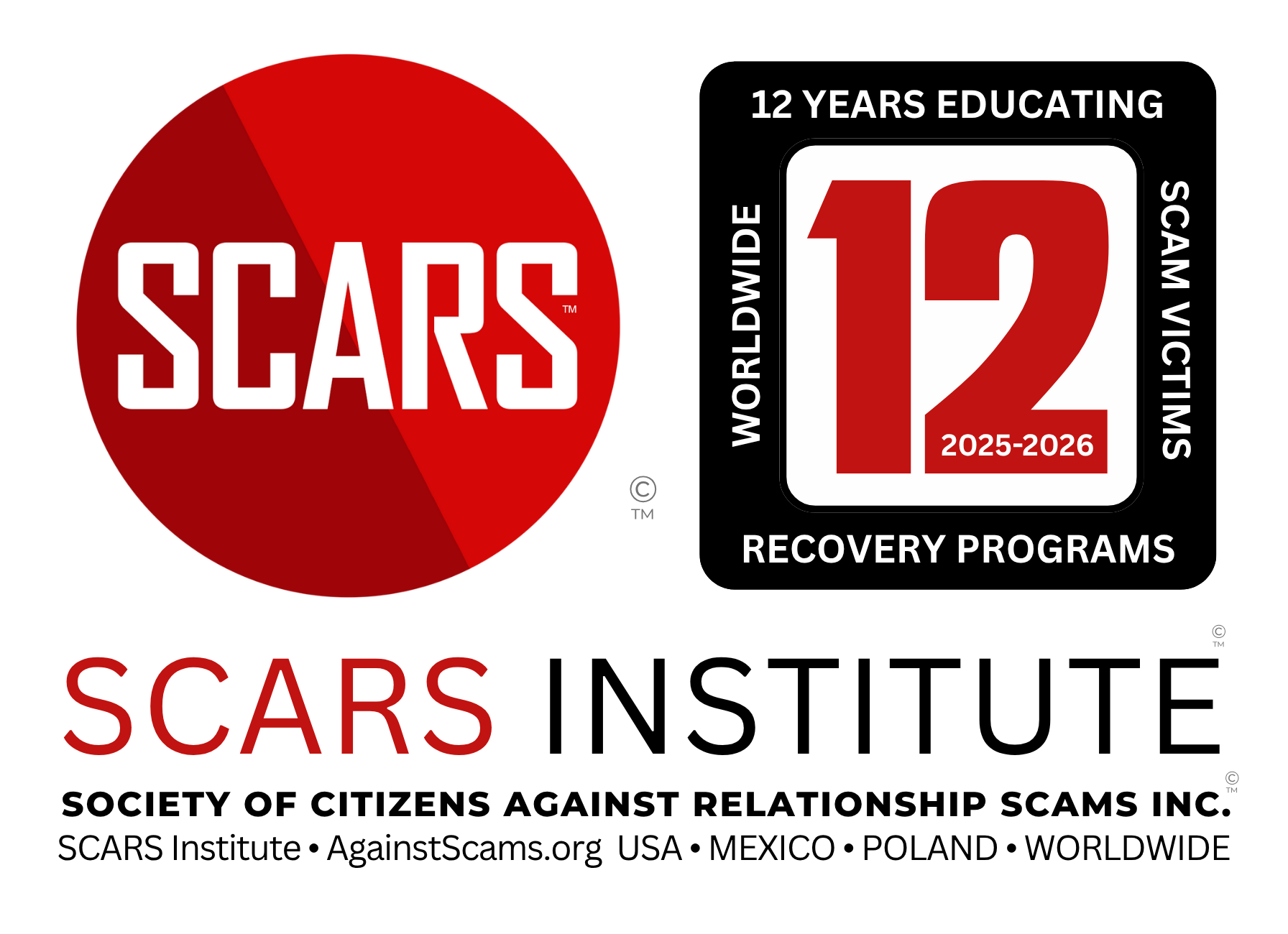


GENIUS Act of 2025 and Stablecoin Cryptocurrency Seizures
GENIUS Act of 2025 Affects You as a Scam Victim and What You Need to Know
Money Recovery – A SCARS Institute Insight
Author:
• Tim McGuinness, Ph.D., DFin, MCPO, MAnth – Anthropologist, Scientist, Director of the Society of Citizens Against Relationship Scams Inc.
Article Abstract
The GENIUS Act of 2025 brings new hope and new responsibilities for scam victims using stablecoins. For the first time, U.S. law requires stablecoin issuers to build in technical tools that allow authorities to freeze, seize, or destroy tokens when fraud or illegal activity is reported. This means that if you report the scam quickly, provide clear documentation, and the scammer used a U.S.-regulated stablecoin, law enforcement may have the power to act and stop further losses. At the same time, the law increases transparency and regulatory oversight, requiring issuers to hold one-to-one reserves and undergo regular audits. While this improves the odds of asset recovery and flags illegitimate platforms more easily, it also means your activity may face greater scrutiny. The law does not cover all stablecoins worldwide, so you must check whether the coin is issued by a compliant entity. If your funds were stolen, gather all evidence, stop contact with the scammer, file formal reports, and involve the stablecoin issuer through proper channels. Emotional recovery is just as important as financial recovery, and support is available. Stay alert, act quickly, and always use stablecoins from licensed issuers. That is now essential to both protection and possible recovery.
GENIUS Act of 2025 Affects You as a Scam Victim and What You Need to Know
What the GENIUS Act Requires
The Guiding and Establishing National Innovation for U.S. Stablecoins Act, also known as the GENIUS Act, introduces strict requirements for any company issuing payment stablecoins in the United States. One of its core provisions is the mandatory implementation of technical capabilities that allow authorities to seize, freeze, or destroy (burn) stablecoin tokens when legally required. This includes actions stemming from court orders, sanctions, or other authorized enforcement processes. Stablecoin systems must now be designed with embedded compliance tools, meaning that even decentralized platforms operating within U.S. jurisdiction will need to build in mechanisms that allow for lawful intervention.
This new requirement represents a significant shift in how digital assets, especially stablecoins, operate within regulated financial infrastructure. It effectively closes the loophole where crypto assets could move freely without centralized oversight or enforcement potential. In cases of scams, fraud, or illicit transactions, these tools may enable quicker action to prevent funds from being moved, hidden, or laundered.
In addition to enforcement functionality, the GENIUS Act also mandates that all payment stablecoin issuers maintain full one-to-one reserves in highly liquid, easily redeemable assets. Issuers must also undergo regular independent audits and provide clear disclosures to federal regulators. These measures aim to protect consumers, reinforce transparency, and bring more financial stability to a sector that has historically lacked oversight.
For scam victims, these provisions create potential opportunities. If scammers use U.S.-regulated stablecoins, authorities may be able to freeze or trace the funds, offering a chance for recovery that did not exist before. However, this also places new responsibilities on victims to report promptly, preserve documentation, and cooperate with law enforcement in a timely and structured way. The GENIUS Act sets the stage for a more enforceable and transparent stablecoin environment, but victims must act quickly to benefit from it.
What Are Stablecoins?
Stablecoins are a category of digital currency created to avoid the extreme volatility seen in cryptocurrencies like Bitcoin. Instead of fluctuating wildly in value, stablecoins are designed to hold a steady price by linking their worth to an external asset. Most commonly, this means tying the coin’s value to a fiat currency like the U.S. dollar, but some are backed by commodities, other cryptocurrencies, or even controlled by algorithmic rules.
The purpose of a stablecoin is to offer the advantages of cryptocurrency, such as fast transfers and decentralization, while remaining stable enough to function like traditional money. This makes stablecoins more suitable for everyday transactions and safer for storing value short term. In practical terms, using stablecoins feels more like using digital cash than investing in a volatile asset.
There are four main types of stablecoins, each with its own structure. Fiat-collateralized stablecoins are backed by real-world currency held in reserve. Commodity-backed stablecoins are tied to assets like gold. Crypto-collateralized stablecoins rely on other cryptocurrencies for backing, often with overcollateralization to handle volatility. Algorithmic stablecoins use computer code to maintain price stability, usually by adjusting supply based on market demand.
While the appeal of stablecoins lies in their simplicity and reduced risk, they are not without concern. Many rely on third-party audits to verify reserves, and if those audits are inaccurate or opaque, trust in the system can collapse. This introduces a level of risk that some users may overlook. That was why the GENIUS Act of 2025 matters!
Regulators are beginning to pay closer attention to stablecoins because of their widespread use and potential impact on financial systems. Several jurisdictions now require full reserves, transparency, and regular audits to protect consumers.
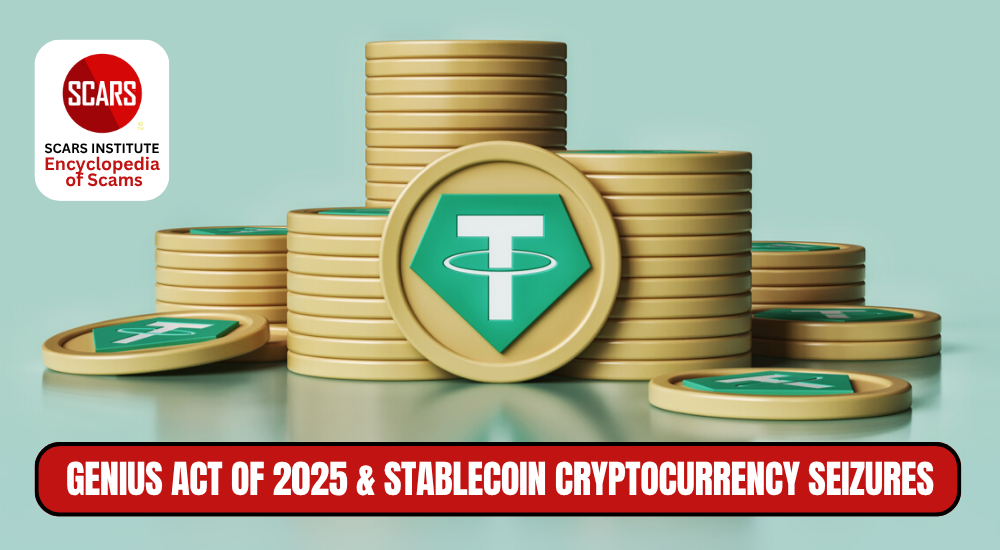
Among all stablecoins, Tether (USDT) is the most widely used, consistently ranking at the top of the global cryptocurrency market. It is pegged to the U.S. dollar and claims to be fully backed 1:1 by liquid reserves. Whether that backing is sufficient remains under ongoing review by regulators and market participants.
Why This Matters to Scam Victims
Greater Asset Recovery Potential
If you are targeted in a crypto-related scam, these seizure tools may allow authorities or courts to immobilize funds more effectively than before. If the scammer’s wallet is traceable, the law may empower regulators to freeze those coins, reducing losses for victims like you, especially in large-scale or cross-border fraud cases.
Added Transparency Risks
Issuers must now report wallet and reserve data regularly. While this protects legitimate users, it also means that blockchain transactions are more visible to investigators. Your personal transactions, even those used unwittingly in scams, could be scrutinized. This means a higher level of oversight but also a need for caution in future crypto interactions.
Access to Licensed Issuers Only
Under the Act, only “permitted payment stablecoin issuers”, domestic or compliant foreign entities with seizure ability and monitoring systems, can legally serve U.S. users. That makes it easier to identify legitimate providers and flag suspicious or unregulated platforms where scammers might hide or operate.
Limitations on Victim Recourse
Stablecoins that comply with the GENIUS Act are no longer treated as securities or commodities, meaning fraud victims will need alternative legal routes if something goes wrong, such as pursuing state consumer protection claims instead of relying on securities litigation protections.
What You Should Do Now
- Use only compliant, licensed stablecoins. Stick to providers clearly identified under the new regulatory framework.
- Keep detailed records: Transaction addresses, provider names, dates, and amounts. That information will help investigators trace funds if needed.
- Report scams promptly: Law enforcement and regulators may now have the capacity to freeze assets if the scammer is identified quickly.
- Verify red flags: If someone asks for payment in a lesser-known or offshore stablecoin, verify their issuer’s licensing and reserve backing status.
- Consult trusted sources: Use authoritative platforms or legal assistance if you suspect fraud. Public forums or unverified advice may expose you to further risk or misinformation.
The GENIUS Act introduces enforced seizure capabilities, backed reserves, and stricter oversight to U.S. stablecoins. These measures can give you stronger tools for recovery, assuming issuers cooperate. At the same time, the increased transparency means more scrutiny of all digital asset activity. The key takeaway: only transact with fully regulated, compliant stablecoin providers and always maintain careful records. Doing so increases the chance that law enforcement can assist you if a scam occurs.
Steps for You to Take If You Lost Cryptocurrency Stablecoins
Here are the next steps to take if you believe your funds were stolen in a scam and you want to pursue recovery, especially in light of the GENIUS Act of 2025 and its new stablecoin enforcement powers:
Stop All Contact Immediately
Do not communicate with the scammer again. Any contact risks contaminating your evidence, harming your credibility, and giving the scammer more material to manipulate or intimidate you.
Document Everything
Gather and save all relevant materials:
-
- Chat transcripts, emails, social media messages
- Wallet addresses and transaction records
- Screenshots of fake profiles or conversations
- Bank statements or crypto receipts
- URLs or usernames used by the scammer
Organize everything by date and platform. Keep multiple digital backups and a printed copy if possible.
Report to Federal Authorities At Once
Immediately file a report with these agencies (reporting.AgainstScams.org):
-
- FBI’s Internet Crime Complaint Center
- Federal Trade Commission
- U.S. Secret Service or local cybercrime units (especially for high-value crypto fraud)
If the scam involved a specific crypto platform, also report it directly to their compliance department.
Request a Blockchain Forensic Trace
For larger scams involving crypto, forensic tracing may be helpful. SCARS Institute does not recommend any specific tracing qualified firms that trace transactions and issue legal-grade reports for law enforcement. These reports map the flow of funds and may identify exchange exit points.
Involve the Stablecoin Issuer
Under the GENIUS Act, stablecoin issuers must now have internal mechanisms to freeze or seize tokens. If you used a regulated stablecoin (like USDC or PayPal USD), report the incident directly to the issuer and request cooperation with law enforcement.
You must provide:
-
- Transaction hashes
- Wallet IDs
- Law enforcement contact details (once filed)
- Timeline of events
Some issuers will not act without an official subpoena or court order, but a documented report puts the event on record.
Avoid Recovery Scams
Be very cautious of individuals or companies offering “recovery services” for a fee. Most are scams themselves. Legitimate recovery is slow, difficult, and involves legal or regulatory cooperation. SCARS provides a list of verified service providers when appropriate.
Seek Emotional Support
The recovery process is not only financial, it’s emotional. Connect with trauma-informed support at:
You may also benefit from peer recovery programs or scam victim education to understand what happened and regain a sense of control.
Monitor for Identity Theft
Scammers may have collected enough data to attempt identity fraud. Place a fraud alert on your credit reports and monitor accounts for unusual activity. Visit www.identitytheft.gov for tools to help protect your identity.
-/ 30 /-
What do you think about this?
Please share your thoughts in a comment below!
Table of Contents





Rapid Report Scammers

In the U.S. & Canada
U.S. & Canada Suicide Lifeline 988
LEAVE A COMMENT?
Recent Comments
On Other Articles
- Debby Montgomery Johnson on The Danger of Using AI in Law Enforcement – The Grandmother Wrongly Arrested as a Fraudster – 2026: “Excellent article – I can’t imagine the terror Angela most certainly experienced. Compound this with the lack of accountability by…” Mar 24, 09:20
- on The Crazy Gregor MacGregor and the Country of Poyais Scam – History of Scams – 2026: “interesting” Mar 23, 19:24
- on BEC Fraud Reaches $43 Billion Per Year: “oh my gosh so much of an increase in the fraud I pray the officials can continue tracking and make…” Mar 23, 15:09
- on Establishing The United States Task Force To Eliminate Fraud – 2026: “Make Online Safe Again!” Mar 17, 19:11
- on Establishing The United States Task Force To Eliminate Fraud – 2026: “Finally an administration takes the initiative to help solve the gigantic situation. Make America Safe Again, thank you!” Mar 17, 15:41
- on What Is The Difference Between A Scam Victim And A Scam Survivor? [Updated]: “Due to my scams I don’t fully trust anyone online and I shouldn’t even those people I knew in high…” Mar 7, 12:46
- on SCARS 3 Steps For New Scam Victims 2024: “I was very fearful “he” would come to my home because I was knew my address, I spoke to someone…” Mar 7, 09:50
- on Sadness & Scam Recovery: “Before my scam, my mom passed away and I got a divorce, so I was dealing with the loss of…” Mar 7, 09:37
- on The Story Of Kira Lee Orsag (aka Dani Daniels) [Updated]: “There is NO evidence and she is not, she is a victim too. Sebastian, stop letting your anger think for…” Mar 6, 23:18
- on The Story Of Kira Lee Orsag (aka Dani Daniels) [Updated]: “There is real evidence that behind these two people there is something that not many people know. This woman is…” Mar 4, 03:58
ARTICLE META
Important Information for New Scam Victims
- Please visit www.ScamVictimsSupport.org – a SCARS Website for New Scam Victims & Sextortion Victims
- Enroll in FREE SCARS Scam Survivor’s School now at www.SCARSeducation.org
- Please visit www.ScamPsychology.org – to more fully understand the psychological concepts involved in scams and scam victim recovery
If you are looking for local trauma counselors please visit counseling.AgainstScams.org or join SCARS for our counseling/therapy benefit: membership.AgainstScams.org
If you need to speak with someone now, you can dial 988 or find phone numbers for crisis hotlines all around the world here: www.opencounseling.com/suicide-hotlines
A Note About Labeling!
We often use the term ‘scam victim’ in our articles, but this is a convenience to help those searching for information in search engines like Google. It is just a convenience and has no deeper meaning. If you have come through such an experience, YOU are a Survivor! It was not your fault. You are not alone! Axios!
A Question of Trust
At the SCARS Institute, we invite you to do your own research on the topics we speak about and publish, Our team investigates the subject being discussed, especially when it comes to understanding the scam victims-survivors experience. You can do Google searches but in many cases, you will have to wade through scientific papers and studies. However, remember that biases and perspectives matter and influence the outcome. Regardless, we encourage you to explore these topics as thoroughly as you can for your own awareness.
Statement About Victim Blaming
SCARS Institute articles examine different aspects of the scam victim experience, as well as those who may have been secondary victims. This work focuses on understanding victimization through the science of victimology, including common psychological and behavioral responses. The purpose is to help victims and survivors understand why these crimes occurred, reduce shame and self-blame, strengthen recovery programs and victim opportunities, and lower the risk of future victimization.
At times, these discussions may sound uncomfortable, overwhelming, or may be mistaken for blame. They are not. Scam victims are never blamed. Our goal is to explain the mechanisms of deception and the human responses that scammers exploit, and the processes that occur after the scam ends, so victims can better understand what happened to them and why it felt convincing at the time, and what the path looks like going forward.
Articles that address the psychology, neurology, physiology, and other characteristics of scams and the victim experience recognize that all people share cognitive and emotional traits that can be manipulated under the right conditions. These characteristics are not flaws. They are normal human functions that criminals deliberately exploit. Victims typically have little awareness of these mechanisms while a scam is unfolding and a very limited ability to control them. Awareness often comes only after the harm has occurred.
By explaining these processes, these articles help victims make sense of their experiences, understand common post-scam reactions, and identify ways to protect themselves moving forward. This knowledge supports recovery by replacing confusion and self-blame with clarity, context, and self-compassion.
Additional educational material on these topics is available at ScamPsychology.org – ScamsNOW.com and other SCARS Institute websites.
Psychology Disclaimer:
All articles about psychology and the human brain on this website are for information & education only
The information provided in this article is intended for educational and self-help purposes only and should not be construed as a substitute for professional therapy or counseling.
While any self-help techniques outlined herein may be beneficial for scam victims seeking to recover from their experience and move towards recovery, it is important to consult with a qualified mental health professional before initiating any course of action. Each individual’s experience and needs are unique, and what works for one person may not be suitable for another.
Additionally, any approach may not be appropriate for individuals with certain pre-existing mental health conditions or trauma histories. It is advisable to seek guidance from a licensed therapist or counselor who can provide personalized support, guidance, and treatment tailored to your specific needs.
If you are experiencing significant distress or emotional difficulties related to a scam or other traumatic event, please consult your doctor or mental health provider for appropriate care and support.
Also read our SCARS Institute Statement about Professional Care for Scam Victims – click here to go to our ScamsNOW.com website.


Thank you for your comment. You may receive an email to follow up. We never share your data with marketers.