

![United States Military ID Cards - How To Spot Fakes - [UPDATED 2025] - on the SCARS Institute RomanceScamsNOW.com - the Encyclopedia of Scams™](https://romancescamsnow.com/wp-content/uploads/2022/03/fake-military-id-cards.png "The Danger of Scams - 6 Ways Scams Can Hurt You - 2025 fake military id cards")

SCARS Institute’s Encyclopedia of Scams™ Published Continuously for 25 Years
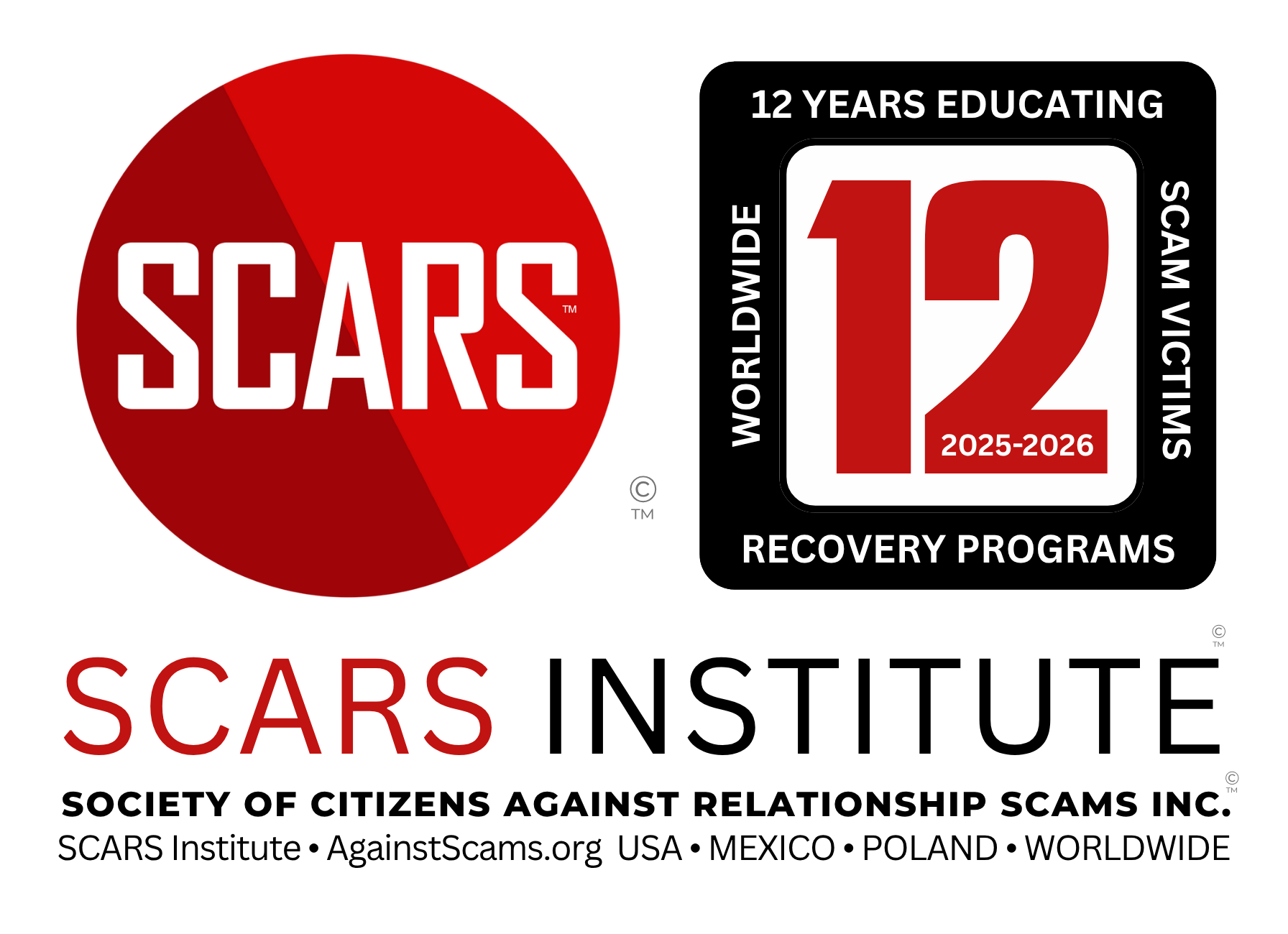


The Danger of Scams – 6 Ways Scams Can Hurt You
What Are the Dangers from Scams and Scammers? A Practical Guide for Your Online and Physical Safety
Online Safety // Cybersecurity – A SCARS Institute Insight
Article Abstract
Scammers pose far greater risks than just financial loss. When you connect with one, you may unknowingly expose your friends and family, compromise your devices with malware, become the target of blackmail or sextortion, and even be manipulated into laundering money or spreading criminal content. These dangers are real, long-lasting, and often escalate if not addressed early. Each interaction with a scammer carries multiple layers of threat, not just to you, but to everyone in your digital and real-world life. To protect yourself, you must set firm boundaries: do not friend strangers, never click unknown links, refuse all requests involving money or packages, and report threats or extortion immediately. Taking these steps helps you break the chain before it pulls others in. Safety begins with daily habits. The more control you take over your online activity, the stronger your defense becomes.

What Are the Dangers from Scams and Scammers? A Practical Guide for Your Online and Physical Safety
You already know the obvious outcome. If you engage with a scammer, you can lose money and peace of mind. What many victims discover later is that the danger does not stop there. When you connect to a scammer, you expose your network, your devices, your reputation, and even your legal standing. This guide lays out six major risks and the actions you should take now. Every section ends with a clear rule. Follow the rules. Protect yourself and the people who depend on you.
Let’s Explore 6 Dangers:
- Giving Access
- Malware, Ransomware, and Stolen Credentials
- Blackmail and Reputation Attacks
- Sextortion
- Virtual Kidnapping and Death Threat Scams
- Becoming a Money Mule or Reshipper
1) Giving Scammers Access to Your Friends and Family
The Problem
When you add a scammer to your social accounts, you hand them a map of your life. They see your spouse, children, parents, coworkers, and close friends. They collect names, photos, birthdays, locations, and routines. Many users allow friends lists and followers to be public. That makes your entire network a target list. Scammers use you as a bridge. They message your contacts, impersonate you, and repeat the cycle. One connection turns into ten. Ten turns into hundreds. Your account becomes the doorway.
Why this happens
Social platforms reward openness. Default settings often expose friends lists, followers, and mutuals. People accept friend requests from friendly faces, shared groups, or familiar photos. Scammers exploit that trust. They use stolen images and professional scripts. They move fast because your contacts assume you know the person in common.
What it does to you
You face embarrassment and conflict with family, friends, and coworkers. Your credibility takes a hit. In some cases, your employer’s brand is pulled into the mess if you list your workplace. The stress can be intense when a contact is harmed because of your connection.
What to do now
Audit your friends and followers. Remove anyone you do not know in real life. Lock down privacy settings so that your friends list is visible to Only Me. Disable friend list visibility on every platform that allows it. Review tagged photos and remove old public content that reveals family details, schools, or locations. Tell your core contacts you are cleaning up your account and ask them to do the same. Share basic safety rules with your family. Children need strict privacy and no public friends lists. If someone complains about being removed, explain your policy and stick to it.
Rule
Never friend or follow someone you do not know in person. Your account is a gateway. Keep it closed.
2) Malware, Ransomware, and Stolen Credentials
Problem
Scammers distribute malware for profit. One careless click on a link or attachment can install a keylogger, remote control tool, ransomware, or botnet agent. Ransomware can encrypt and lock your files. If you clicked at work, it can spread across your employer’s network. Keyloggers capture passwords for email, banking, and company systems. Botnets use your device to send spam or participate in other crimes. You may not notice until the damage is done.
Why this happens
You trust messages from people on your friends list. Scammers know that. They send links that look urgent, personal, or harmless. They copy real brand pages and support chats. They push you to click before you think. Mobile users are at higher risk because small screens hide full URLs and file types.
What it does to you
You can lose access to your data, compromise your bank accounts, and expose company systems. Your internet provider may restrict your service if your device sends spam. If your work is affected, you may face disciplinary action or termination. Recovery can take weeks and may never be complete.
What to do now
Remove unknown contacts. Stop clicking links sent by strangers or casual acquaintances. Use reputable anti-malware on computers and phones. Keep operating systems and apps up to date. Enable automatic updates. Turn on multi-factor authentication for email, banks, and key services. Back up your data on a schedule. Keep one offline backup that malware cannot reach. At work, report any suspicious clicks to IT immediately. Early reporting limits damage and protects your job. On your home network, change default router passwords and update firmware.
Rule
Never click a link or open an attachment from someone you do not know and trust. If in doubt, do not touch it.
3) Blackmail and Reputation Attacks
Problem
Once a scammer knows your network, job, and routines, they may shift to blackmail. They threaten to contact your family or employer with lies or half-truths unless you pay. Common threats include false claims of illegal content, fabricated affairs, or accusations tied to edited screenshots. They count on fear and shame. They want fast payment and silence.
Why this happens
You have already shown that you respond to the scammer’s demands. They now test your fear of exposure. They hope you act in panic and keep them paid. They also know victims delay reporting. Silence gives them more time to invent stories and target your contacts.
What it does to you
Blackmail damages your mental health, your family relationships, and your job security. Even if the claims are false, repeated threats crush your focus and sleep. You may consider paying just to make it stop. That never works. Payment invites more threats.
What to do now
Do not pay. Preserve every message, screenshot, email header, and caller ID. File a police report at once so there is an official record. If the threats include your workplace, alert your manager or HR with a brief factual notice and a copy of the report. Tell close family what is happening and ask them not to engage with unknown contacts. Tighten your social settings and review tagged content and account recovery options. If the scammer used a platform account, report the account for abuse and harassment. Keep communication lines closed. Do not argue. Do not explain. Block and document.
Rule
Stop giving scammers access to your life. Report, inform essential contacts, and refuse payment.
4) Sextortion: When Private Content Becomes Leverage
Problem
During the relationship, you may have shared intimate images, videos, or audio. Many adults do. Scammers record it. Later, they demand money or more content. They threaten to send the material to family, friends, coworkers, or school contacts. The pressure can be intense and relentless.
Why this happens
Sextortion is a reliable income for criminals. Shame and fear keep victims silent. The scammer expects you to panic, pay, and hope it ends. They often target young adults and professionals who fear reputational damage.
What it does to you
The impact is severe. You may feel trapped, humiliated, and unable to focus at work or home. Some victims withdraw from relationships or quit jobs. Payment does not resolve it. It marks you as a compliant payer. Demands repeat.
What to do now
Do not pay. Save everything. File a police report. If a minor is involved, law enforcement must be contacted immediately. Inform key family members so they are not blindsided. If your employer may be targeted, alert HR with a short summary and the report number. Lock down your social accounts and remove public contact details where possible. Ask close contacts not to accept files or links from unknown accounts. If the platform allows, use its reporting tools for non-consensual content threats. Consider a brief consultation with an attorney if you hold a public-facing role. Seek trauma-informed support. You did not consent to extortion. You are the victim of a crime.
Prevention for the future
Do not create or share intimate content with strangers or online contacts you have never met in real life. Assume that any shared image or live session can be recorded. Use private devices only and cover cameras when not in use.
Rule
Do not give strangers material they can record or reuse. If you are threatened, report at once and do not pay.
See more about sectortion on www.ScamVictimsSupport.org
5) Virtual Kidnapping and Death Threat Scams
Problem
After learning your family details from social media, scammers may claim they have taken a child or spouse and will harm them unless you pay immediately. Others claim they will come to your home and kill your family. They demand instant payment by transfer or prepaid cards. They often use background noise and a frantic voice to sell the story. These are virtual threats, not real kidnappings, but the fear is real.
Why this happens
The scammer knows your child’s name, school, schedule, or recent events from your posts. That detail makes the lie feel plausible. Panic overrides judgment. They push for urgent action because a calm victim will verify.
What it does to you
These calls trigger shock and terror. Victims send money before checking. After the call ends, the fear lingers. Sleep and concentration suffer. Family members may blame each other for posting too much online.
What to do now
Pause. Try to contact the supposed victim from another line. Call the school, coach, or caregiver. Put the caller on speaker and ask for proof that only the real person would know. Do not reveal facts they can reuse. If you cannot confirm safety quickly, hang up and call your local police. Provide caller details, payment instructions, and any recent social posts that might have been scraped. After the incident, review and restrict your family’s online footprint. Remove public location tags and school identifiers. Teach children not to share schedules, bus routes, or daily plans online.
How to respond to direct death threats
Document the threat. File a police report. Block the accounts. Do not meet or send money. Increase basic home safety steps, such as exterior lighting and camera visibility if you have them, and notify nearby family members so they do not respond to unknown callers.
Rule
Disconnect at the first hint of a threat and never reconnect. Verify independently. Involve the police.
6) Becoming a Money Mule or Reshipper
Problem
Scammers groom you, then ask a “favor.” Accept a package and forward it. Deposit a check for them and send a portion back. Receive funds and convert them to crypto. You become a money mule or reshipper. The goods are often bought with stolen cards. The checks are counterfeit. The funds are proceeds of crime. You are now part of the laundering chain.
Why this happens
Criminals need clean hands in safe countries. They need bank accounts, addresses, and people who look legitimate. Victims feel helpful and trusted. The favor feels small at first. The requests escalate. Once you comply, the scammer reminds you that you participated. That pressure keeps you in the role.
Legal and personal risk
You risk bank account closure, frozen funds, chargebacks, and criminal charges. Law enforcement may treat you as an accomplice. Employers can terminate you for fraud-related conduct, even if you claim you were tricked. Travel and immigration screenings can be affected by records tied to financial crime.
What to do now
Refuse any request to receive and forward money or goods. If you have already received a check, take it to the bank and ask them to verify its authenticity. Tell them you suspect fraud. If a package arrives that you did not order, do not forward it. Contact the shipping carrier fraud unit or local police, explain your concern, and ask for guidance. If funds landed in your account, do not move them. Alert your bank’s fraud team in writing. Save messages, labels, and tracking numbers for investigators. If the scammer threatens you for refusing, document and report the threats along with the mule activity.
Rule
Never accept, deposit, forward, or reship anything for someone you do not know in real life. Report attempts immediately.
Final Actions and Your Standing Policy
Set a standing policy for yourself and your family.
- You do not connect with strangers online.
- You do not click links from unknown senders.
- You do not send money, accept money, or reship goods for online contacts.
- You report threats, blackmail, sextortion, and mule requests to the police without delay.
- You inform key family or work contacts when you file a report so they are prepared.
If a crime has already occurred, swallow your pride and make the report. Early reporting protects you. It also protects others who will be targeted next if the offender is not stopped. You do not owe the scammer silence. You owe yourself a clear boundary and a clean record.
Your safety is not an accident. It is a set of habits. Start with your friends’ list. Lock down your privacy. Harden your devices. Refuse favors that involve money or packages. Do not be rushed by fear. Do not be pulled by shame. You can cut off the risks at the source and keep your life intact.
-/ 30 /-
What do you think about this?
Please share your thoughts in a comment below!
Table of Contents




Rapid Report Scammers

In the U.S. & Canada
U.S. & Canada Suicide Lifeline 988
LEAVE A COMMENT?
Thank you for your comment. You may receive an email to follow up. We never share your data with marketers.
Recent Comments
On Other Articles
- on The Danger of Using AI in Law Enforcement – The Grandmother Wrongly Arrested as a Fraudster – 2026: “Excellent article – I can’t imagine the terror Angela most certainly experienced. Compound this with the lack of accountability by…” Mar 24, 09:20
- on The Crazy Gregor MacGregor and the Country of Poyais Scam – History of Scams – 2026: “interesting” Mar 23, 19:24
- on BEC Fraud Reaches $43 Billion Per Year: “oh my gosh so much of an increase in the fraud I pray the officials can continue tracking and make…” Mar 23, 15:09
- on Establishing The United States Task Force To Eliminate Fraud – 2026: “Make Online Safe Again!” Mar 17, 19:11
- on Establishing The United States Task Force To Eliminate Fraud – 2026: “Finally an administration takes the initiative to help solve the gigantic situation. Make America Safe Again, thank you!” Mar 17, 15:41
- on What Is The Difference Between A Scam Victim And A Scam Survivor? [Updated]: “Due to my scams I don’t fully trust anyone online and I shouldn’t even those people I knew in high…” Mar 7, 12:46
- on SCARS 3 Steps For New Scam Victims 2024: “I was very fearful “he” would come to my home because I was knew my address, I spoke to someone…” Mar 7, 09:50
- on Sadness & Scam Recovery: “Before my scam, my mom passed away and I got a divorce, so I was dealing with the loss of…” Mar 7, 09:37
- on The Story Of Kira Lee Orsag (aka Dani Daniels) [Updated]: “There is NO evidence and she is not, she is a victim too. Sebastian, stop letting your anger think for…” Mar 6, 23:18
- on The Story Of Kira Lee Orsag (aka Dani Daniels) [Updated]: “There is real evidence that behind these two people there is something that not many people know. This woman is…” Mar 4, 03:58
ARTICLE META
Important Information for New Scam Victims
- Please visit www.ScamVictimsSupport.org – a SCARS Website for New Scam Victims & Sextortion Victims
- Enroll in FREE SCARS Scam Survivor’s School now at www.SCARSeducation.org
- Please visit www.ScamPsychology.org – to more fully understand the psychological concepts involved in scams and scam victim recovery
If you are looking for local trauma counselors please visit counseling.AgainstScams.org or join SCARS for our counseling/therapy benefit: membership.AgainstScams.org
If you need to speak with someone now, you can dial 988 or find phone numbers for crisis hotlines all around the world here: www.opencounseling.com/suicide-hotlines
A Note About Labeling!
We often use the term ‘scam victim’ in our articles, but this is a convenience to help those searching for information in search engines like Google. It is just a convenience and has no deeper meaning. If you have come through such an experience, YOU are a Survivor! It was not your fault. You are not alone! Axios!
A Question of Trust
At the SCARS Institute, we invite you to do your own research on the topics we speak about and publish, Our team investigates the subject being discussed, especially when it comes to understanding the scam victims-survivors experience. You can do Google searches but in many cases, you will have to wade through scientific papers and studies. However, remember that biases and perspectives matter and influence the outcome. Regardless, we encourage you to explore these topics as thoroughly as you can for your own awareness.
Statement About Victim Blaming
SCARS Institute articles examine different aspects of the scam victim experience, as well as those who may have been secondary victims. This work focuses on understanding victimization through the science of victimology, including common psychological and behavioral responses. The purpose is to help victims and survivors understand why these crimes occurred, reduce shame and self-blame, strengthen recovery programs and victim opportunities, and lower the risk of future victimization.
At times, these discussions may sound uncomfortable, overwhelming, or may be mistaken for blame. They are not. Scam victims are never blamed. Our goal is to explain the mechanisms of deception and the human responses that scammers exploit, and the processes that occur after the scam ends, so victims can better understand what happened to them and why it felt convincing at the time, and what the path looks like going forward.
Articles that address the psychology, neurology, physiology, and other characteristics of scams and the victim experience recognize that all people share cognitive and emotional traits that can be manipulated under the right conditions. These characteristics are not flaws. They are normal human functions that criminals deliberately exploit. Victims typically have little awareness of these mechanisms while a scam is unfolding and a very limited ability to control them. Awareness often comes only after the harm has occurred.
By explaining these processes, these articles help victims make sense of their experiences, understand common post-scam reactions, and identify ways to protect themselves moving forward. This knowledge supports recovery by replacing confusion and self-blame with clarity, context, and self-compassion.
Additional educational material on these topics is available at ScamPsychology.org – ScamsNOW.com and other SCARS Institute websites.
Psychology Disclaimer:
All articles about psychology and the human brain on this website are for information & education only
The information provided in this article is intended for educational and self-help purposes only and should not be construed as a substitute for professional therapy or counseling.
While any self-help techniques outlined herein may be beneficial for scam victims seeking to recover from their experience and move towards recovery, it is important to consult with a qualified mental health professional before initiating any course of action. Each individual’s experience and needs are unique, and what works for one person may not be suitable for another.
Additionally, any approach may not be appropriate for individuals with certain pre-existing mental health conditions or trauma histories. It is advisable to seek guidance from a licensed therapist or counselor who can provide personalized support, guidance, and treatment tailored to your specific needs.
If you are experiencing significant distress or emotional difficulties related to a scam or other traumatic event, please consult your doctor or mental health provider for appropriate care and support.
Also read our SCARS Institute Statement about Professional Care for Scam Victims – click here to go to our ScamsNOW.com website.


Thank you. Practical and real.