



SCARS Institute’s Encyclopedia of Scams™ Published Continuously for 25 Years


Unmasking the Nigerian Black Axe: A Deep Dive into the Enigmatic Criminal Gang
The Nigerian Black Axe is an underground criminal organization that has garnered notoriety for its operations not only in Nigeria but across the globe. Its history, criminal activities, organizational structure, and international reach make it a subject of considerable intrigue. In this article, we delve into the origins, history, structure, operations, and global presence of the Black Axe.
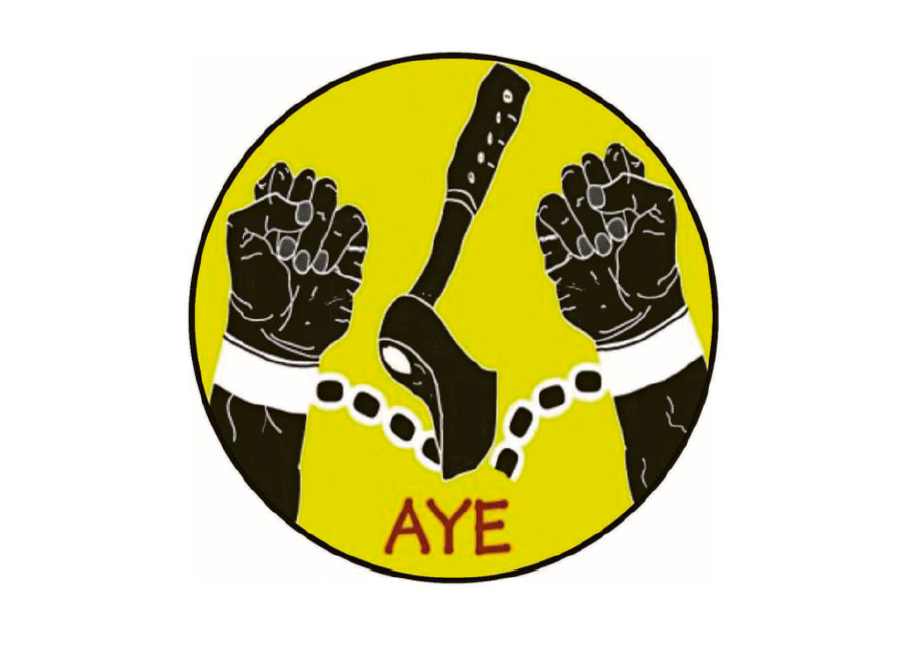
The Black Axe is believed to have been founded by nine students, who named the group after the black axe used in traditional African rituals. The group’s symbol is a black axe with a raised fist in the center.
Black Axe History
The Nigerian Black Axe, also known as the Neo-Black Movement of Africa, was founded in 1976 at the University of Benin in Nigeria. The organization originally started as a fraternity for young university students. Its founders envisioned it as a movement to promote African culture, unity, and empowerment.
The Black Axe quickly spread to other universities in Nigeria, and eventually to other countries around the world.
Over time, however, the Black Axe underwent a transformation that led it down a darker path. The group evolved from a student organization into a secretive, organized crime syndicate. The exact reasons for this shift are complex, but it was driven in part by internal power struggles, the pursuit of wealth, and involvement in illegal activities such as online scams.
Today, the Black Axe is estimated to have over 50,000 members in over 20 countries.
How Black Axe Operates
One notable feature of the Black Axe is its complex initiation rituals. Prospective members are subjected to grueling and often humiliating initiation ceremonies, designed to maintain secrecy and commitment within the group.
Organization and Structure
The Black Axe is a highly organized and structured criminal gang. The group has a strict hierarchy, with members divided into different ranks and roles.
The Black Axe is led by a Supreme Council, which is made up of the group’s most senior members. The Supreme Council is responsible for setting the group’s overall strategy and direction.
Below the Supreme Council are the Regional Councils, which are responsible for overseeing the group’s activities in specific regions. The Regional Councils are made up of the group’s most senior members in those regions.
Below the Regional Councils are the Local Chapters, which are responsible for overseeing the group’s activities in specific cities or towns. The Local Chapters are made up of the group’s most senior members in those areas.
The Black Axe is organized into cells, often referred to as “zones,” which are further subdivided into units or chapters. These cells are semi-autonomous, allowing the organization to adapt to different regions and circumstances. At the core of the Black Axe’s structure is a hierarchical system, with recognized leaders and officials.
Below the Local Chapters are the Cells, which are the basic units of the Black Axe. Cells are made up of small groups of Black Axe members who work together to carry out criminal activities.
The Black Axe is a Threat to Public Safety Worldwide
While the Black Axe originated in Nigeria, it has expanded its reach internationally. The organization has been reported in several countries, including the United Kingdom, Italy, Canada, and the United States. In these countries, the Black Axe is often involved in drug trafficking, human trafficking, and cybercrime.
The Black Axe is a dangerous and powerful criminal gang. The group is involved in a wide range of criminal activities, and it is a major threat to public safety in the countries where it operates.
The group’s international activities have led to it being classified as a transnational criminal organization, making it subject to the attention of law enforcement agencies and intelligence organizations worldwide.
Major Criminal Actions and Accomplishments
The Black Axe is a highly organized and structured criminal gang. The group has a strict hierarchy, with members divided into different ranks and roles. The Black Axe is also known for its use of violence and intimidation.
The Black Axe is involved in a wide range of criminal activities, including:
- Extortion
- Robbery
- Drug trafficking
- Human trafficking
- Counterfeiting
- Money laundering
The Black Axe is also known for its involvement in political violence and election rigging.
In 2005, the Black Axe was involved in a series of violent attacks on students and staff at the University of Benin. The attacks were sparked by a dispute between the Black Axe and another student gang. The attacks resulted in the deaths of several people and the destruction of university property.
In 2013, the Black Axe was involved in a major human trafficking ring. The ring was smuggling Nigerian women to Europe for forced prostitution. The ring was busted by European law enforcement agencies, and several Black Axe members were arrested.
In 2016, the Black Axe was involved in a money laundering scheme. The scheme was used to launder millions of dollars from drug trafficking and other criminal activities. The scheme was busted by US law enforcement agencies, and several Black Axe members were arrested.
Black Axe Worldwide
The Black Axe has been linked to a wide range of criminal activities, including:
- Cybercrime & Scams: Members of the Black Axe have always been involved in cybercrime activities, including email scams and financial fraud schemes.
- Human Trafficking: The gang is notorious for its involvement in human trafficking. They are known to exploit vulnerable individuals, luring them into forced labor, prostitution, or other forms of modern-day slavery.
- Drug Trafficking: The Black Axe has been implicated in international drug trafficking networks, smuggling narcotics to various countries.
- Money Laundering: The gang has established complex money laundering operations to legitimize their illegal gains.
- Violence and Murder: The gang is associated with a significant amount of violence, including brutal acts of revenge and murder.
- Corruption: The Black Axe has infiltrated various levels of Nigerian society, corrupting institutions and officials to protect their interests.
Crimes and Consequences
The Black Axe’s criminal activities have had far-reaching consequences. The gang’s involvement in human trafficking has resulted in countless victims subjected to horrendous conditions. The organization’s participation in drug trafficking contributes to drug-related problems in multiple countries.
The gang’s financial fraud schemes and cybercrimes not only undermine financial security but also erode trust in online interactions. Additionally, the violence and murders attributed to the Black Axe have had a devastating impact on the communities in which they operate.
The authorities in Nigeria and other countries have launched initiatives to combat the Black Axe, conducting investigations, making arrests, and prosecuting those involved. The international community is also working together to disrupt the group’s activities and dismantle its operations.
Countries in Which the Black Axe Operates
The Black Axe is estimated to have over 50,000 members in over 20 countries. The group is most active in Nigeria, but it also has a presence in other countries, including:
- Benin
- Burkina Faso
- Canada
- Chad
- France
- Gambia
- Germany
- Ghana
- Guinea
- Ireland
- Italy
- Ivory Coast
- Liberia
- Mali
- Niger
- Nigeria
- Senegal
- Sierra Leone
- South Africa
- Spain
- Togo
- United Kingdom
- United States
Black Axe Challenges and Future Outlook
Addressing the Black Axe’s criminal activities poses significant challenges. The organization’s intricate structure, secret initiation rituals, and ability to adapt to changing circumstances make it challenging for law enforcement agencies to combat. Additionally, its international reach requires coordinated efforts across multiple jurisdictions.
The future of the Black Axe remains uncertain. The organization’s involvement in various illicit activities continues to wreak havoc on communities and individuals, especially in Africa. Combating this group’s operations will require continued vigilance and cooperation among law enforcement agencies and governments.
Summary
The Nigerian Black Axe has evolved from its origins as a student fraternity into a secretive and highly organized criminal organization. Its global reach and involvement in human trafficking, drug trafficking, money laundering, cybercrime, and violence have made it a significant concern for authorities worldwide. Addressing the challenges posed by the Black Axe requires international collaboration and sustained efforts to dismantle the group and bring its members to justice.
More:
- Major Offensive Against African Black Axe Criminal Cartel By Irish Garda Police (scamsnow.com)
- Interpol Operation Jackal – Arrested Over 100 (scamsnow.com)
- Black Axe – An Overview (romancescamsnow.com)
- Black Axe: Leaked documents shine spotlight on secretive Nigerian gang – BBC News
- Black Axe (organized crime group) – Wikipedia
- Blog Cyberjustice – The arrest of more than seventy members of Black Axe by INTERPOL
- The Black Axe, by Sean Williams (harpers.org)
- The Black Axe gang: a new frontier in Irish crime – The Irish Times
- How Do Scammer Organizations Work? Nigerian & West African Scammers [UPDATED] (romancescamsnow.com)
-/ 30 /-
What do you think about this?
Please share your thoughts in a comment below!
Table of Contents





Rapid Report Scammers

In the U.S. & Canada

U.S. & Canada Suicide Lifeline 988
LEAVE A COMMENT?
Recent Comments
On Other Articles
- Wendy Guiher on 15 Things That Nearly Every Online and Phone Scams Have In Common – 2026: “Very concise, direct information. When I look back on the crime against me I now can see ALL of the…” Apr 1, 06:24
- on The Danger of Using AI in Law Enforcement – The Grandmother Wrongly Arrested as a Fraudster – 2026: “Excellent article – I can’t imagine the terror Angela most certainly experienced. Compound this with the lack of accountability by…” Mar 24, 09:20
- on The Crazy Gregor MacGregor and the Country of Poyais Scam – History of Scams – 2026: “interesting” Mar 23, 19:24
- on BEC Fraud Reaches $43 Billion Per Year: “oh my gosh so much of an increase in the fraud I pray the officials can continue tracking and make…” Mar 23, 15:09
- on Establishing The United States Task Force To Eliminate Fraud – 2026: “Make Online Safe Again!” Mar 17, 19:11
- on Establishing The United States Task Force To Eliminate Fraud – 2026: “Finally an administration takes the initiative to help solve the gigantic situation. Make America Safe Again, thank you!” Mar 17, 15:41
- on What Is The Difference Between A Scam Victim And A Scam Survivor? [Updated]: “Due to my scams I don’t fully trust anyone online and I shouldn’t even those people I knew in high…” Mar 7, 12:46
- on SCARS 3 Steps For New Scam Victims 2024: “I was very fearful “he” would come to my home because I was knew my address, I spoke to someone…” Mar 7, 09:50
- on Sadness & Scam Recovery: “Before my scam, my mom passed away and I got a divorce, so I was dealing with the loss of…” Mar 7, 09:37
- on The Story Of Kira Lee Orsag (aka Dani Daniels) [Updated]: “There is NO evidence and she is not, she is a victim too. Sebastian, stop letting your anger think for…” Mar 6, 23:18
ARTICLE META
Important Information for New Scam Victims
- Please visit www.ScamVictimsSupport.org – a SCARS Website for New Scam Victims & Sextortion Victims
- Enroll in FREE SCARS Scam Survivor’s School now at www.SCARSeducation.org
- Please visit www.ScamPsychology.org – to more fully understand the psychological concepts involved in scams and scam victim recovery
If you are looking for local trauma counselors please visit counseling.AgainstScams.org or join SCARS for our counseling/therapy benefit: membership.AgainstScams.org
If you need to speak with someone now, you can dial 988 or find phone numbers for crisis hotlines all around the world here: www.opencounseling.com/suicide-hotlines
A Note About Labeling!
We often use the term ‘scam victim’ in our articles, but this is a convenience to help those searching for information in search engines like Google. It is just a convenience and has no deeper meaning. If you have come through such an experience, YOU are a Survivor! It was not your fault. You are not alone! Axios!
A Question of Trust
At the SCARS Institute, we invite you to do your own research on the topics we speak about and publish, Our team investigates the subject being discussed, especially when it comes to understanding the scam victims-survivors experience. You can do Google searches but in many cases, you will have to wade through scientific papers and studies. However, remember that biases and perspectives matter and influence the outcome. Regardless, we encourage you to explore these topics as thoroughly as you can for your own awareness.
Statement About Victim Blaming
SCARS Institute articles examine different aspects of the scam victim experience, as well as those who may have been secondary victims. This work focuses on understanding victimization through the science of victimology, including common psychological and behavioral responses. The purpose is to help victims and survivors understand why these crimes occurred, reduce shame and self-blame, strengthen recovery programs and victim opportunities, and lower the risk of future victimization.
At times, these discussions may sound uncomfortable, overwhelming, or may be mistaken for blame. They are not. Scam victims are never blamed. Our goal is to explain the mechanisms of deception and the human responses that scammers exploit, and the processes that occur after the scam ends, so victims can better understand what happened to them and why it felt convincing at the time, and what the path looks like going forward.
Articles that address the psychology, neurology, physiology, and other characteristics of scams and the victim experience recognize that all people share cognitive and emotional traits that can be manipulated under the right conditions. These characteristics are not flaws. They are normal human functions that criminals deliberately exploit. Victims typically have little awareness of these mechanisms while a scam is unfolding and a very limited ability to control them. Awareness often comes only after the harm has occurred.
By explaining these processes, these articles help victims make sense of their experiences, understand common post-scam reactions, and identify ways to protect themselves moving forward. This knowledge supports recovery by replacing confusion and self-blame with clarity, context, and self-compassion.
Additional educational material on these topics is available at ScamPsychology.org – ScamsNOW.com and other SCARS Institute websites.
Psychology Disclaimer:
All articles about psychology and the human brain on this website are for information & education only
The information provided in this article is intended for educational and self-help purposes only and should not be construed as a substitute for professional therapy or counseling.
While any self-help techniques outlined herein may be beneficial for scam victims seeking to recover from their experience and move towards recovery, it is important to consult with a qualified mental health professional before initiating any course of action. Each individual’s experience and needs are unique, and what works for one person may not be suitable for another.
Additionally, any approach may not be appropriate for individuals with certain pre-existing mental health conditions or trauma histories. It is advisable to seek guidance from a licensed therapist or counselor who can provide personalized support, guidance, and treatment tailored to your specific needs.
If you are experiencing significant distress or emotional difficulties related to a scam or other traumatic event, please consult your doctor or mental health provider for appropriate care and support.
Also read our SCARS Institute Statement about Professional Care for Scam Victims – click here to go to our ScamsNOW.com website.


Thank you for your comment. You may receive an email to follow up. We never share your data with marketers.