




SCARS Institute’s Encyclopedia of Scams™ Published Continuously for 25 Years
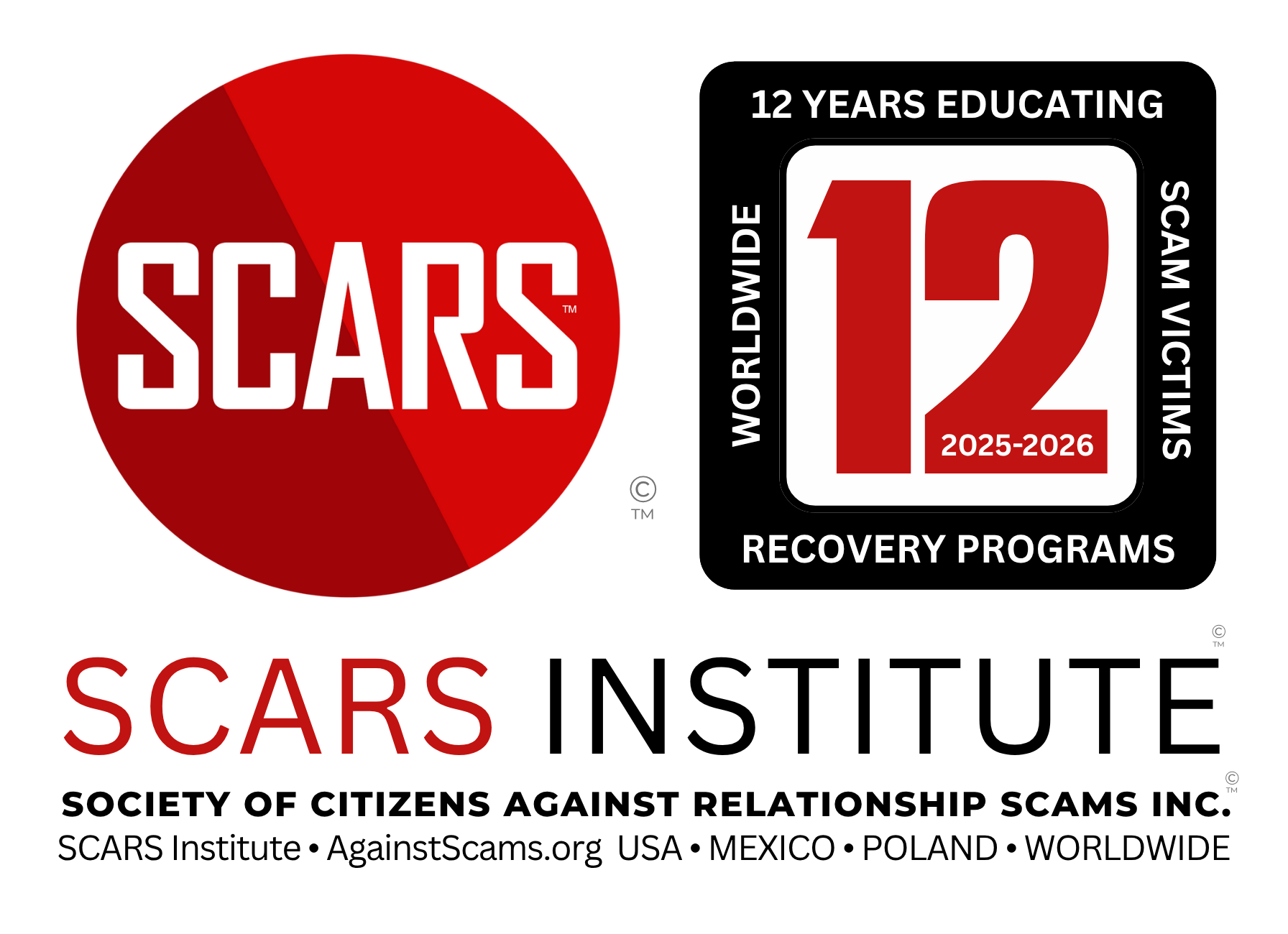


Establishing The United States Task Force To Eliminate Fraud
A Whole of Government Commitment
Government Action – A SCARS Institute Insight
Article Abstract
The United States has established a centralized interagency task force to address widespread fraud affecting federal benefit programs and public funds, reframing fraud as a systemic national issue rather than isolated criminal activity. The initiative emphasizes improved oversight, data sharing, and preventive controls to reduce large-scale fraud before losses occur. Evidence indicates that while some fraud remains local, a substantial portion of high-value schemes involves organized groups and, in many cases, transnational criminal networks using complex methods such as identity theft, financial laundering, and cross-border coordination. The policy shift introduces a whole-of-government approach that integrates enforcement, financial monitoring, and national security considerations. Expected outcomes include stronger detection, increased prosecutions, and disruption of organized fraud networks, alongside potential administrative challenges and evolving criminal adaptation.

Establishing The United States Task Force To Eliminate Fraud
A Whole of Government Commitment
The March 2026 executive order by President Donald J. Trump establishing the Task Force to Eliminate Fraud presents fraud not as an isolated criminal issue, but as a widespread systemic threat affecting public programs, taxpayer funds, and access to essential services. The White House frames fraud as a form of theft that harms both taxpayers and vulnerable individuals who depend on government assistance, emphasizing that misuse and mismanagement in these programs directly undermine their intended purpose.
The order highlights recent large-scale fraud cases as evidence of the problem’s scope, including schemes in which criminal networks used nonprofit structures and false claims to divert hundreds of millions of dollars meant for public benefit. These examples are used to demonstrate how weaknesses in oversight, verification, and coordination can allow organized fraud to operate at scale across multiple jurisdictions.
In response, the administration positions the task force as a coordinated, national-level effort designed to close these gaps. It emphasizes the need for stronger oversight, improved data sharing, and unified enforcement across federal, state, and local systems to prevent fraud before it occurs, rather than only responding after losses have already happened.
Overall, the introduction establishes a clear policy direction: fraud is being elevated to a priority requiring a whole-of-government response, with the stated goal of protecting public funds, restoring integrity to assistance programs, and ensuring that benefits reach the individuals they are intended to serve.
Transnational Organized Crime at the Heart of This
Transnational organized crime appears to be involved to a meaningful extent in much of the fraud the White House is targeting, but not in every case and not always as the primary driver. The executive order itself is framed around domestic federal-benefit fraud, yet it expressly directs the new task force to coordinate with the Homeland Security Council on matters involving “national security, transnational crime, and organized criminal activity.” It also cites a Minnesota childcare-funding case in which stolen funds were sent overseas and were reportedly being investigated for possible links to an African terrorist group. That language suggests the administration sees at least part of the fraud problem as connected to cross-border criminal networks rather than only local opportunists.
For benefit and public-program fraud, the evidence points first to organized groups, and then in a subset of cases to transnational actors. GAO reported in July 2025 that organized groups made up about 46 percent of defendants convicted in COVID-19 fraud cases it reviewed, and that these groups used technology and program knowledge to commit large-scale fraud against government programs. GAO’s finding does not mean all of those groups were transnational, but it does show that large public-program fraud was often organized rather than purely individual.
There is also direct evidence that some public-benefits fraud has international or transnational involvement. USDA said in May 2025 that “international criminal organizations are heavily involved” in SNAP fraud, especially through skimming and cloning attacks that steal EBT benefits. A separate DOJ case from Massachusetts showed how a Nigeria-based defendant and co-conspirators used stolen personal data, U.S.-based mules, U.S.-leased IP addresses, and cryptocurrency to fraudulently obtain pandemic unemployment benefits across multiple states. That is a classic cross-border fraud architecture.
Health-care fraud appears to show even stronger evidence of transnational organized crime penetration. In the 2025 National Health Care Fraud Takedown, DOJ said 29 defendants were charged for roles in transnational criminal organizations that allegedly submitted more than $12 billion in fraudulent claims to U.S. health-insurance programs. DOJ described foreign straw owners, assumed identities used from overseas, laundering through U.S. banks, cryptocurrency, and shell companies abroad. That does not prove all Medicaid or Medicare fraud is transnational, but it shows that at the high end of public-program fraud, transnational groups are deeply involved.
For consumer fraud and online scams, the transnational organized crime link is even clearer. A separate March 6 White House order explicitly directed DOJ to prioritize cyber-enabled fraud, including scam centers, and referred to victim restoration from funds seized from TCOs. Treasury sanctions in September 2025 targeted Southeast Asian cyber-scam networks under authorities that include sanctions aimed at large transnational criminal organizations, and DOJ created a Strike Force in November 2025 aimed at Chinese TCOs behind Southeast Asian crypto-investment scams targeting Americans. In other words, for pig-butchering, scam-center fraud, and related online confidence schemes, transnational organized crime is not peripheral. It is often central.
Treasury’s 2026 National Money Laundering Risk Assessment reinforces that broader picture. It specifically references timeshare fraud associated with Mexico-based transnational criminal organizations, Nigerian internet-scam actors, and Chinese money-laundering networks used to move criminal proceeds. That shows the U.S. government is treating several major fraud categories as intertwined with mature transnational finance and laundering systems, not just isolated scam crews.
So, the most accurate conclusion is this: transnational organized crime is probably not the whole explanation for the fraud addressed by the new task force, especially in lower-level domestic eligibility fraud or small local schemes. But in the larger, more scalable, higher-dollar segments of the problem, especially EBT/SNAP theft, pandemic-benefit fraud, major health-care fraud, and cyber-enabled scams, the evidence shows substantial involvement by organized cross-border networks. The White House order’s structure reflects that assessment by combining anti-fraud work with homeland security, organized crime, and transnational crime coordination.
Simply put: local fraudsters are still part of the problem, but the biggest and most industrialized fraud schemes increasingly look like organized, networked, and often transnational criminal enterprises.
SCARS Institute Analysis
What the Task Force Actually Is
The executive order creates a centralized, interagency task force led by the Vice President, with participation from major federal enforcement and regulatory bodies. Its core purpose is to:
- Combat fraud in federally funded programs and benefits
- Improve data sharing across federal, state, and local governments
- Develop a national anti-fraud strategy within ~90 days
- Standardize controls such as identity verification, documentation, and audits
The policy framing is important. The administration is treating fraud as:
- A systemic national security and economic threat
- A cross-jurisdictional problem requiring coordination
- A data and enforcement failure, not just a criminal one
This marks a shift from fragmented enforcement toward a “whole-of-government” model.
Strategic Shift: From Reactive to Systemic Enforcement
Historically, fraud enforcement in the U.S. has been:
- Reactive (after losses occur)
- Agency-specific (FTC, DOJ, state agencies working separately)
- Case-driven rather than system-driven
This task force introduces three structural changes:
Centralized Coordination
Multiple agencies now align under a single directive, reducing gaps scammers exploit.
Data Integration
Explicit emphasis on cross-agency data sharing targets one of the biggest weaknesses in fraud prevention.
Prevention Through Controls
Focus shifts toward:
-
- Identity verification
- Eligibility validation
- Real-time auditing
This moves enforcement upstream, before fraud losses occur.
Effects by Fraud Category
Government Benefits Fraud (Primary Target)
Short-term impact: High
This is the main focus of the task force.
Examples include:
-
- Medicaid fraud
- SNAP (food stamp) fraud
- Pandemic relief fraud
- Nonprofit program fraud (e.g., fake service delivery schemes)
The order explicitly references large-scale fraud cases such as:
-
- Fake meal programs submitting fraudulent claims
- Billions in suspected Medicaid abuse
Expected effects:
-
- Increased audits and eligibility verification
- Stricter documentation requirements
- More prosecutions and funding freezes
- Reduced fraud volume, but also potential delays in legitimate benefits
Unintended consequence:
-
- Increased friction for legitimate recipients due to tighter controls
Cyber-Enabled Fraud and Scams (Indirect but Significant Impact)
While this task force focuses on benefits fraud, it operates alongside the March 6 cybercrime executive order, which:
-
- Prioritizes prosecution of scam networks
- Targets transnational criminal organizations (TCOs)
- Proposes victim restitution mechanisms
Combined effect:
-
- Cyber scams are now treated as part of a broader national fraud ecosystem
- Enforcement becomes more coordinated across:
- DOJ
- DHS
- State Department
- International partners
Expected changes:
-
- Increased targeting of scam centers
- More asset seizures and potential restitution
- Greater international pressure on host countries
Romance Scams and Pig-Butchering (Moderate Impact)
These scams are not directly targeted by the task force itself, but:
-
- They fall under cyber-enabled fraud priorities
- They benefit from:
- Enhanced intelligence sharing
- Financial tracking improvements
- Cross-border enforcement pressure
Expected effects:
-
- More disruption of large organized scam networks
- Slight improvement in fund recovery through seizures
- Continued high victimization due to human vulnerability factors
Limitation:
-
- These scams rely heavily on psychological manipulation, which enforcement alone cannot eliminate
Financial and Banking Fraud (Moderate to High Impact)
Includes:
-
- Wire fraud
- Account takeovers
- Synthetic identity fraud
- Payment system abuse
Why the impact is significant:
-
- Data sharing and identity verification reforms directly affect financial systems
- Increased scrutiny on:
- KYC (Know Your Customer)
- Transaction monitoring
- Cross-institution reporting
Expected effects:
-
- Faster detection of suspicious transactions
- Increased compliance burden on banks and fintech
- Reduced large-scale fraud rings exploiting system gaps
Corporate and Trade Fraud (Emerging Impact)
Parallel initiatives (e.g., “Made in America” fraud enforcement and DOJ fraud division expansion) indicate:
-
- Expansion into corporate misrepresentation and trade fraud
- Increased regulatory enforcement on companies making false claims
Expected effects:
-
- Higher compliance costs for businesses
- More investigations into labeling, sourcing, and financial disclosures
Nonprofit and NGO Fraud (High Impact)
The task force explicitly references fraud through nonprofit channels.
Expected changes:
-
- Increased oversight of grant recipients
- Audits of nonprofit program delivery
- Verification of service claims
This directly targets fraud models that:
-
- Use charities as fronts
- Exploit emergency or humanitarian funding streams
Key System-Level Impacts
Increased Enforcement Intensity
-
- More prosecutions across all fraud categories
- Higher penalties and asset seizures
Reduced Fragmentation
-
- Agencies no longer operate in isolation
- Intelligence gaps shrink
Expansion of Surveillance and Verification
-
- Identity verification becomes more stringent
- Data sharing increases across agencies
Shift Toward Financial Disruption
-
- Focus on cutting off money flows, not just arresting individuals
Limitations and Risks
Fraud Displacement
Criminals may shift to:
-
- Private-sector scams
- International operations
- Harder-to-detect digital channels
Civil Liberties and Access Concerns
-
- Increased verification may:
- Delay benefits
- Exclude legitimate recipients
- Increase administrative burden
- Increased verification may:
Political and Jurisdictional Friction
-
- Federal vs. state conflicts may affect implementation
- Variation in enforcement across states
Bottom Line
This task force represents a structural escalation in U.S. anti-fraud policy.
Most affected immediately:
- Government benefits fraud
- Nonprofit fraud
- Public program abuse
Moderately affected:
- Financial fraud
- Corporate fraud
Indirect but meaningful impact:
- Romance scams
- Pig-butchering operations
- Transnational cybercrime networks
The most important shift is not any single enforcement action, but the move toward:
- Centralized coordination
- Data-driven detection
- Whole-of-government strategy
That combination is what has historically been missing and what could produce the largest long-term reduction in fraud losses.
Conclusion
The establishment of the Task Force to Eliminate Fraud represents a clear structural shift in how the United States approaches fraud, moving from fragmented, reactive enforcement toward coordinated, system-level prevention. The policy direction reflects an understanding that fraud in public programs is not only a financial issue, but also a governance and integrity challenge that affects trust in institutions and access to essential services. By emphasizing centralized coordination, data sharing, and pre-disbursement controls, the task force is designed to close the gaps that have historically allowed large-scale fraud to persist undetected across jurisdictions.
At the same time, the evidence shows that a significant portion of high-value fraud is no longer local or isolated. Organized groups, and in many cases transnational criminal networks, are increasingly involved in exploiting weaknesses in public systems, financial channels, and identity verification processes. This reinforces the importance of aligning anti-fraud efforts with national security, financial intelligence, and cross-border enforcement strategies.
The expected outcome is a measurable increase in enforcement activity, improved detection capabilities, and greater disruption of organized fraud networks. However, these changes may also introduce new challenges, including increased administrative burdens, delays in benefits distribution, and the displacement of fraud into less regulated areas. The long-term effectiveness of the task force will depend on its ability to balance strong controls with equitable access, while maintaining sustained coordination across agencies and jurisdictions.
Ultimately, the initiative reflects a broader recognition that modern fraud operates at scale, across systems, and often across borders, requiring a response that is equally coordinated, data-driven, and comprehensive.
Executive Order
ESTABLISHING THE TASK FORCE TO ELIMINATE FRAUD
March 16, 2026
By the authority vested in me as President by the Constitution and the laws of the United States of America, it is hereby ordered:
Section 1. Purpose and Policy.
American taxpayers fund a vast benefits system for citizens in need that includes housing, food, medical care, cash assistance, and more. States administer these federally funded programs, and some States have embraced loopholes that avoid individual eligibility validation, allow self-certification of eligibility, and expand eligibility far beyond what the Congress intended. Worse, despite accepting Federal funds, some States have refused to institute basic fraud controls such as providing enrollee information to the Federal Government that would allow it to verify eligibility. As a result, illegal aliens, criminals, foreign gangs, bureaucrats, State and local officials, non-governmental organizations, and ineligible providers exploit these programs ‑- which are intended to provide a safety net to lawfully eligible Americans — with ease. This exploitation and lack of controls to prevent it have resulted in widespread fraud, waste, and abuse at the expense of the American taxpayers who pay for and utilize these programs, contributing substantially to the national debt.
Self-dealing political actors use such public benefits programs to solidify control over their communities and our political systems. Due to lax immigration policy and immigration fraud, certain public officials admit into our country, and provide sanctuary from Federal immigration laws to, migrant populations who are likely to rely on means-tested, public assistance programs (welfare) and increase the political support and power of the public officials providing the benefits. This increased support incentivizes public officials to maximize the flow of welfare to these communities and makes public officials who do so more powerful. Many of these public officials then fail to police these programs — and in some cases, willfully turn a blind eye to fraud, waste, and abuse within them — to ensure that welfare flows to these migrants. Due to insufficient election integrity measures, some migrants who are not eligible to vote do so anyway, with the same public officials permitting widespread ballot harvesting schemes that compromise our election integrity and help these public officials remain in power.
The staggering fraud and waste in Minnesota alone is a case in point. Federal prosecutors in the State estimate that Medicaid fraud in recent years could total in the billions. Nearly 9 percent of the roughly $866 million spent on food stamps in Minnesota each year is estimated to be spent in error. The non-profit Feeding our Future engineered a scam that stole nearly $250 million intended to feed needy children in Minnesota by opening fake meal sites and submitting fraudulent claims for millions of meals that were never served. One of the defendants in this scam was also charged with submitting false claims to an autism services program that was subject to widespread fraud. Hundreds of millions of dollars in Federal childcare funding to Minnesota were stolen by an organized ring of Somali immigrants and others who used the stolen money to purchase cars, property, and luxury travel, and sent the funds overseas. The Federal Government is investigating allegations that some of the United States taxpayer dollars subject to fraud in Minnesota were even funneled to one of Africa’s most heinous terror groups. All of this was ignored or undetected by State officials. There is also strong reason to believe that similar problems exist in other States, including California, Illinois, New York, Maine, and Colorado. In fact, Minnesota and 20 other States filed a lawsuit to block the Federal Government from even conducting a basic review to determine whether their enrollees are in fact eligible for taxpayer-funded benefits under the Supplemental Nutrition Assistance Program. Such extensive, undetected fraud could only exist in a system that ignores it.
Fraud and mismanagement in these programs constitutes theft of the hard-earned tax dollars from Americans paying into these programs, and of the benefits owed to Americans who need them. The failure to ensure sufficient Federal oversight to prevent fraud, waste, and abuse has allowed irresponsible State politicians to increase Federal spending in their own States, which has contributed to inflation for health care services, housing, utilities, and groceries.
Making matters worse, the previous administration adopted policies that weakened the Federal Government’s oversight of State administration and distribution of Federal funds under these programs, including by reducing commonsense verification measures, expanding access without adequate controls, tolerating unacceptable error rates, creating conditions in which fraud was institutionally tolerated and therefore flourished, and enabling individuals with substantial means to improperly access benefits.
My Administration will use all available resources and authorities to fight fraud, close loopholes, enforce eligibility rules, and protect benefits for eligible Americans, while ensuring States administering Federal benefits programs do the same.
Sec. 2. Establishment of the Task Force.
(a) There is hereby established within the Executive Office of the President a Task Force to Eliminate Fraud (Task Force).
(b) The Vice President of the United States shall serve as the Chairman of the Task Force. The Chairman of the Federal Trade Commission shall serve as Vice Chairman of the Task Force, shall preside over the Task Force at the direction of the Chairman or in his absence, and shall exercise all powers of the Chairman herein defined at his direction or in his absence. The Chairman shall designate an Executive Director, who shall administer and execute the day-to-day operations of the Task Force, and who shall report to the Vice Chairman. The Assistant to the President for Homeland Security shall serve as the Senior Advisor to the Task Force.
(c) In addition to the Chairman, the Vice Chairman, and the Senior Advisor, the Task Force shall include appropriate representatives from the following executive departments and agencies (agencies), or components:
(i) the Department of the Treasury;
(ii) the Department of Justice;
(iii) the Department of Agriculture;
(iv) the Department of Labor;
(v) the Department of Health and Human Services;
(vi) the Department of Housing and Urban Development;
(vii) the Department of Education;
(viii) the Department of Veterans Affairs;
(ix) the Department of Homeland Security;
(x) the Small Business Administration;
(xi) the Office of Management and Budget; and
(xii) other agencies, inspectors general, or components within the Executive Office of the President, as determined by the Chairman.
(d) The Chairman or the Vice Chairman shall convene regular meetings of the Task Force, determine its agenda, and direct its work, consistent with this order. The Executive Director shall assist in the performance of these duties. The Chairman may designate any member of the Task Force to preside over meetings of the Task Force in the absence of the Vice Chairman.
(e) The Task Force shall coordinate with the Homeland Security Council on any matters related to law enforcement, public safety, national security, transnational crime, and organized criminal activity.
Sec. 3. Operation and Priorities of the Task Force.
(a) The Task Force shall, on behalf of the President, coordinate and accelerate a comprehensive national strategy to stop fraud, waste, and abuse within Federal benefit programs, including programs administered jointly with State, local, tribal, and territorial partners. The Task Force shall advise the President and, on behalf of the President, shall coordinate the work of appropriate member agencies to:
(i) develop measures to improve eligibility verification processes in Federal benefits programs and maximize enforcement of eligibility requirements, including program-specific requirements and the Personal Responsibility and Work Opportunity Reconciliation Act of 1996;
(ii) develop appropriate controls that operate before funds are obligated or disbursed to prevent improper payments in Federal benefits programs, including by coordinating agency action to determine when ongoing fraud or potential fraud require proactively pausing certain types of funding until such controls can be established;
(iii) evaluate indicators of fraud and high-risk vulnerabilities to fraud, including major fraud trends and cross-program and large-scale schemes, which shall include considering the current and potential use by member agencies of third-party contractors to maximize efficacy in detecting fraud;
(iv) promote the facilitation of information and data sharing and coordination between State, local, tribal, and territorial governments and the Federal Government, and benefit-providing agencies and law enforcement agencies;
(v) disrupt and dismantle fraud networks and facilitators, including providers, contractors, or other entities and repeat cross-program offenders through interagency information sharing and coordination;
(vi) investigate and disrupt the mechanisms through which fraud is committed, including any mechanisms involving facilitation of fraud by Federal, State, local, tribal, or territorial officials;
(vii) prevent remittance transfers that involve the proceeds of Federal benefits fraud, as appropriate and consistent with applicable law;
(viii) audit and ensure prospective compliance monitoring, including for use in identifying fraud in Federal benefits programs; and
(ix) analyze identifying information for all providers or retailers associated with redemption of benefits to inspect for fraud and develop a process by which member agencies recommend policies for wide‑scale revalidations or reauthorization to deter fraudulent providers, as appropriate and to the extent consistent with applicable law.
(b) Each agency administering Federal benefit programs shall, consistent with applicable law, provide to the Task Force information concerning such programs that the Task Force deems relevant to advising the President and coordinating efforts to uncover benefits fraud and increase fraud-detection capability.
(c) The Task Force shall be subject to the President’s direct supervision and control. The Task Force, through the Chairman, shall provide frequent updates to the President regarding its work and shall ensure that its actions are consistent with the President’s directions.
Sec. 4. Improved Controls and Fraud-Prevention Measures.
(a) Each agency administering Federal benefit programs represented on the Task Force shall identify the agency’s benefit transactions and processes that are most susceptible to fraud schemes, which may include new enrollments, redeterminations, provider enrollments, eligibility self-attestation procedures, changes to payment destinations or payees, or transactions involving third party intermediaries. Within 30 days of the date of this order, each such agency shall submit to the Chairman and Vice Chairman of the Task Force descriptions of such transactions and processes and suggested measures to prevent such fraud.
(b) Within 60 days of the date of this order, the Task Force shall coordinate member agency efforts to adopt, as appropriate, minimum anti-fraud requirements for transactions and processes identified under subsection (a) of this section to prevent fraud and loopholes that allow for systemic abuse and exploitation. If such transactions and processes involving Federal funding are administered by a State, local, territorial, or tribal jurisdiction, then the Task Force and appropriate member agencies shall address how such jurisdictions can demonstrate implementation of the anti-fraud requirements. The Task Force and its member agencies also shall examine and recommend, as appropriate, any ways that Federal funds may be withheld from jurisdictions that do not have adequate anti-fraud requirements. Specifically, such anti-fraud requirements may include:
(i) screening, proof of identity, and eligibility verification;
(ii) pre-payment integrity and risk controls, including affirmative documentation requirements concerning services provided;
(iii) information- and data-sharing processes, updated criteria, minimum integrity checks, cross-program risk indicators, and coordinated recovery and enforcement pathways to prevent immigration sponsor and beneficiary and household-related related fraud, abuse, or improper usage;
(iv) appropriate use of providers, vendors, contractors, nonprofit organizations, intermediaries, and service organizations; and
(v) audit and remedial measures, including suspension, termination, repayment, exclusion, and debarment actions, as appropriate.
(c) Within 90 days of the date of this order, each member of the Task Force shall submit to the Chairman and the Vice Chairman of the Task Force a measurable implementation plan concerning the measures identified or developed under this order.
Sec. 5. Administration.
The heads of other agencies shall, upon the request of the Chairman or the Vice Chairman, provide administrative and technical support, or information required by the Task Force to carry out its functions.
Sec. 6. Maximizing Taxpayer Pursuit of Fraud Involving Taxpayer Dollars. The Attorney General shall:
(a) take appropriate action to promote the meritorious pursuit by private persons of civil actions under 31 U.S.C. 3730 concerning fraud within Federal benefit programs; and
(b) ensure prompt review of such actions, including within the 60-day period contemplated by 31 U.S.C. 3730(a)(4) to the maximum extent practicable.
Sec. 7. General Provisions.
(a) Nothing in this order shall be construed to impair or otherwise affect:
(i) the authority granted by law to an executive department or agency, or the head thereof; or
(ii) the functions of the Director of the Office of Management and Budget relating to budgetary, administrative, or legislative proposals.
(b) This order shall be implemented consistent with applicable law and subject to the availability of appropriations.
(c) This order is not intended to, and does not, create any right or benefit, substantive or procedural, enforceable at law or in equity by any party against the United States, its departments, agencies, or entities, its officers, employees, or agents, or any other person.
(d) The costs for publication of this order shall be borne by the Department of the Treasury.
DONALD J. TRUMP

Glossary
- Affirmative documentation requirements — This term refers to records that must be produced to show that services, claims, or payments were real and properly authorized. It matters because criminals often exploit weak paperwork rules, and stronger documentation can help reveal fabricated services or inflated claims before public money is lost.
- Agency-specific enforcement — This term describes a fragmented approach in which separate agencies pursue fraud largely within their own boundaries rather than through unified national coordination. It helps explain why large fraud schemes can continue for long periods when information stays isolated and patterns across programs are not recognized quickly.
- Anti-fraud requirements — These are minimum control standards that agencies or jurisdictions may be required to adopt in order to reduce fraud risk in benefit programs. They matter because consistent standards can make it harder for criminals and dishonest facilitators to exploit weak states, agencies, or payment systems.
- Appropriate use of providers, vendors, contractors, nonprofit organizations, intermediaries, and service organizations — This phrase refers to the lawful and properly supervised use of outside entities that help deliver services or administer public funds. It is important because fraud often enters programs through trusted intermediaries that appear legitimate while diverting money, falsifying services, or concealing who is really in control.
- Audit and remedial measures — This term covers the corrective actions used after fraud risks or violations are identified, including suspension, termination, repayment, exclusion, and debarment. It matters because recovery and accountability depend not only on detecting fraud, but also on imposing consequences that stop repeat abuse.
- Autism services program fraud — This phrase refers to false claims submitted to programs meant to support people receiving autism-related services. It is significant because it shows how criminals may target highly sensitive care systems, using vulnerable populations and specialized services as cover for theft.
- Ballot harvesting schemes — In this context, the phrase refers to the collection and handling of ballots in ways the order characterizes as undermining election integrity. It appears in the policy narrative to show how the administration links fraud, public benefits, political power, and weak controls into a broader pattern of institutional vulnerability.
- Benefit-providing agencies — These are government bodies or connected administrative systems that distribute public assistance such as food, medical care, housing support, or cash benefits. They matter because they sit at the center of both recovery and risk, serving eligible people while also being targets for organized exploitation.
- Cash assistance — This term refers to direct financial support given through public benefit systems to people with qualifying needs. It is important in fraud analysis because direct payments can be attractive targets for identity abuse, false eligibility claims, and rerouting of funds.
- Centralized coordination — This phrase describes the task force’s effort to align multiple agencies under one coordinated anti-fraud structure. It matters because many large fraud operations succeed by moving across program boundaries faster than disconnected agencies can communicate or act.
- Chairman of the Task Force — This role is assigned to the Vice President and carries responsibility for convening meetings, setting agendas, and directing the work of the task force. It matters because leadership concentration signals that the administration wants an anti-fraud strategy driven from the top of the executive branch.
- Childcare-funding case — This phrase refers to the Minnesota case in which large amounts of federal childcare money were allegedly stolen and sent overseas. It is important because it illustrates how public-benefit fraud can become cross-border, organized, and linked to luxury spending or more serious international concerns.
- Civil actions under 31 U.S.C. 3730 — This refers to legal actions brought by private persons under the False Claims Act concerning fraud involving federal money. It matters because the order encourages meritorious private enforcement, showing that the government sees whistleblowers and civil litigation as part of fraud control.
- Commonsense verification measures — This phrase refers to basic practical checks that help confirm whether an applicant, provider, or claim is genuine and eligible. It is important because the order argues that reducing these measures created openings for fraud to expand and become normalized.
- Compliance monitoring — This term refers to the ongoing review of whether participants, providers, and administrators continue to meet rules after they enter a program. It matters because fraud often develops over time, and one-time screening alone rarely catches evolving abuse patterns.
- Coordinated recovery and enforcement pathways — This phrase describes linked processes for detecting fraud, recovering money, and pursuing administrative or legal action across agencies. It is important because disconnected systems may identify abuse but still fail to recover funds or stop repeat offenders.
- Cross-agency data sharing — This term refers to the exchange of relevant information among federal, state, local, tribal, and territorial bodies involved in benefits and law enforcement. It matters because fraud frequently hides in gaps between databases, and stronger data sharing can expose patterns no single agency can see alone.
- Cross-border fraud architecture — This phrase describes the structure of a fraud scheme that operates across national boundaries using mules, stolen identities, overseas actors, digital tools, and financial transfers. It is important because such architecture makes investigation harder and often indicates organized criminal planning rather than isolated misconduct.
- Cross-program offenders — These are people or entities that exploit more than one public program, moving from one system to another or abusing several at the same time. They matter because their behavior shows that fraud risk is often systemic and cannot be understood within a single agency alone.
- Cyber-enabled fraud — This term refers to fraud committed through digital systems, online communications, payment technologies, or networked criminal operations. It is important because the article shows that many modern scams, including pig-butchering and scam-center crimes, operate through online tools and transnational coordination.
- Data and enforcement failure — This phrase describes the idea that fraud persists not only because criminals act, but because institutions fail to share information and respond effectively. It matters because it shifts attention from individual cases toward the structural weaknesses that make repeated abuse possible.
- Debarment actions — These are formal measures that block providers, contractors, or related entities from receiving federal funds or participating in government programs. They matter because exclusion from future access may protect programs when criminal prosecution is slow, incomplete, or still ongoing.
- Direct supervision and control — This phrase means that the task force operates under the President’s immediate authority rather than as a distant advisory body. It matters because the structure signals a desire for centralized direction, faster implementation, and close political oversight of anti-fraud efforts.
- Eligibility self-attestation procedures — These are processes that allow applicants to state they qualify for benefits without stronger independent verification at the outset. They matter because such procedures may increase access for legitimate recipients, but they may also create openings for false claims when controls are weak.
- Eligibility validation — This term refers to the process of confirming that a person or provider truly meets the legal standards for participation in a federal benefit program. It matters because the order presents weak validation as one of the main conditions that allowed large losses and systemic abuse.
- Error rates — This term refers to the percentage of payments, approvals, or benefit actions that were incorrect, improper, or unsupported. It matters because high error rates may signal weak controls, poor oversight, or environments in which fraud can flourish without timely correction.
- Executive Director — This is the official designated to manage the day-to-day operations of the task force and report to the Vice Chairman. The role matters because complex interagency work depends on operational leadership that can move policy directives into actual procedures and deadlines.
- False claims — This term refers to requests for payment or reimbursement that are fabricated, inflated, or based on services that were never provided. It is central to the article because large fraud cases repeatedly relied on false claims to move taxpayer money into criminal hands.
- Federal benefits fraud — This phrase refers to theft, deception, or abuse involving federally funded assistance programs such as food, housing, medical, and cash support. It matters because the task force is built primarily around preventing this category of fraud before money is disbursed.
- Feeding Our Future scam — This phrase refers to the Minnesota nonprofit fraud case involving fake meal sites and fraudulent claims for meals that were never served. It matters because it became a prominent example of how nonprofit structures may be used to mask organized theft from public programs.
- Fraud displacement — This term describes the risk that stronger controls in one area will push criminals into other programs, sectors, or jurisdictions. It is important because anti-fraud policy may reduce one type of abuse while unintentionally encouraging movement toward less regulated targets.
- Fraud indicators — These are warning signs, patterns, or anomalies that suggest a claim, provider, transaction, or network may be involved in fraud. They matter because early identification of indicators allows agencies to intervene before losses become massive and harder to recover.
- Fraud networks and facilitators — This phrase refers to the larger system of actors who organize, enable, or conceal fraud, including providers, contractors, officials, intermediaries, and repeat offenders. It is important because many modern schemes depend on networks, not lone actors, and therefore require broader disruption strategies.
- Funding freezes — This phrase refers to pauses or holds on disbursements when ongoing fraud or serious fraud risk has been identified. It matters because the order supports proactive intervention before money goes out, though such measures may also affect legitimate recipients and providers.
- High-risk vulnerabilities — These are features of a program, process, or payment system that make it especially susceptible to fraud, abuse, or improper payments. They matter because the task force is directed to identify these weak points and design controls before criminals exploit them at scale.
- Homeland Security Council coordination — This phrase refers to the task force’s required coordination with homeland security officials on matters involving law enforcement, public safety, national security, transnational crime, and organized criminal activity. It matters because it places anti-fraud work within a broader security framework rather than treating it as only an administrative problem.
- Improper payments — This term refers to funds that were paid in error, without sufficient support, to ineligible recipients, or under conditions that violated program rules. It matters because preventing improper payments is one of the clearest ways to reduce losses before fraud becomes entrenched.
- Individual eligibility validation — This phrase refers to verifying whether a specific person qualifies for a benefit under the rules of a program. It matters because the order argues that avoiding this step created loopholes that allowed ineligible participation and large-scale misuse of taxpayer money.
- Information and data-sharing processes — This phrase refers to formal methods for exchanging records, risk signals, and investigative information across governments and agencies. It is important because fraud often persists where one office sees part of the picture, but no system combines the pieces.
- Interagency information sharing — This term refers to coordinated communication among agencies that investigate, regulate, fund, or oversee public programs. It matters because the article presents shared intelligence as one of the most important structural changes needed to dismantle organized fraud.
- Lawfully eligible Americans — This phrase refers to people who meet the legal requirements for public benefits and are intended to receive assistance from these programs. It matters because the order frames fraud as theft not only from taxpayers, but also from the people the programs were designed to protect.
- Means-tested public assistance programs — These are benefit systems in which eligibility depends on financial need or income-related standards. They matter because such programs are often complex, heavily funded, and vulnerable to fraud when eligibility rules are not consistently verified.
- Meritorious pursuit — This phrase refers to legitimate and well-supported civil fraud cases that deserve to move forward under the law. It matters because the order encourages the Attorney General to support strong cases rather than allowing potentially valuable claims to stall.
- Minimum integrity checks — These are baseline safeguards used to test whether applications, payments, or provider activities meet required standards and show signs of authenticity. They matter because weak or inconsistent integrity checks allow patterned fraud to pass through ordinary administrative workflows.
- Multiple jurisdictions — This phrase refers to fraud activity that spans more than one state, region, agency, or national boundary. It matters because complex jurisdictional spread can delay enforcement, fragment evidence, and allow organized groups to exploit differences in oversight.
- National anti-fraud strategy — This term refers to the broad plan the task force is expected to develop in order to coordinate prevention, detection, enforcement, and recovery efforts across the federal system. It matters because a strategy creates shared priorities instead of leaving agencies to respond separately and inconsistently.
- Nonprofit structures — This phrase refers to organizational forms that are legally established for charitable or public purposes but may be exploited by criminals as fronts. It matters because the article shows how nonprofit status can create trust, reduce scrutiny, and make false claims appear more credible.
- Ongoing fraud — This term refers to fraud that is still actively occurring rather than past misconduct that has already stopped. It matters because the order specifically supports taking proactive steps, including pausing funding, when evidence suggests losses are continuing in real time.
- Payment destinations or payees — This phrase refers to where benefit funds are sent and who is designated to receive them. It matters because changing payment targets is a common fraud tactic, allowing criminals to reroute legitimate funds without altering the visible purpose of a claim.
- Pig-butchering operations — This term refers to long-form investment or relationship scams in which criminals build trust over time and then pressure victims into fraudulent financial transfers, often involving cryptocurrency. It matters because the article identifies these operations as a major area where transnational organized crime is often central rather than incidental.
- Pre-disbursement controls — These are safeguards that operate before money is paid out, rather than relying only on audits after losses occur. They matter because once funds have been moved through networks, mules, or foreign channels, recovery becomes far more difficult.
- Prevent remittance transfers — This phrase refers to stopping outbound money movements when the funds are suspected to be proceeds of federal benefits fraud. It matters because fraud prevention is not only about eligibility, but also about interrupting the routes criminals use to move and hide stolen money.
- Program redeterminations — These are later reviews used to reassess whether a participant still qualifies for ongoing benefits after initial approval. They matter because fraud may enter at enrollment or arise later, and redeterminations can catch changes, concealment, or continuing ineligibility.
- Prospective compliance monitoring — This term refers to forward-looking oversight that seeks to identify and reduce fraud risk before it produces major losses. It matters because the article emphasizes prevention and early control rather than relying only on retrospective enforcement.
- Provider enrollments — This phrase refers to the process by which service providers are approved to participate in federally funded benefit programs. It matters because dishonest providers may use enrollment systems to gain access to public funds, then submit false claims under a cloak of legitimacy.
- Redemption of benefits — This term refers to the use or cashing out of public assistance benefits through authorized providers or retailers. It matters because analyzing redemption patterns may reveal fraud, such as unusual transaction volumes, false provider activity, or criminal benefit trafficking.
- Repeat cross-program offenders — These are individuals or entities that repeatedly exploit more than one benefits system or funding stream. They matter because repeated conduct across programs often signals sophisticated abuse, institutional knowledge, and a need for coordinated enforcement instead of isolated case handling.
- Revalidation or reauthorization — These terms refer to requiring providers, retailers, or participating entities to prove again that they remain qualified to receive or redeem benefits. They matter because wide-scale revalidation can remove fraudulent actors who entered programs under weak screening conditions.
- Scam-center fraud — This phrase refers to organized scam operations, often based overseas, that use scripted deception, digital communications, and coordinated teams to steal money from victims. It matters because the article treats scam centers as an important part of the broader national fraud ecosystem.
- Screening, proof of identity, and eligibility verification — This phrase describes the layered checks used to confirm who a person is and whether that person lawfully qualifies for benefits. It matters because these controls are presented as frontline defenses against ineligible claims, stolen identities, and organized enrollment abuse.
- Self-certification of eligibility — This term refers to systems that allow applicants to declare they qualify without immediate independent confirmation. It is important because the executive order argues that broad reliance on self-certification may create loopholes that organized fraudsters can exploit at scale.
- Senior Advisor to the Task Force — This role is assigned to the Assistant to the President for Homeland Security and connects the task force to security and law enforcement concerns. It matters because the structure reflects the administration’s view that fraud may overlap with organized crime, public safety, and national security.
- Service organizations — These are entities that help deliver assistance, manage claims, or support program operations on behalf of beneficiaries or agencies. They matter because legitimate service organizations may expand access, but weak oversight can allow bad actors to use the same role for concealment and diversion.
- Structural escalation in anti-fraud policy — This phrase refers to a major change in how the government organizes its response, moving from scattered efforts toward a coordinated national system. It matters because the article presents the new task force as a deeper policy redesign rather than a routine enforcement announcement.
- Systemically tolerated fraud — This phrase refers to an environment in which weak controls, poor oversight, and administrative passivity allow fraud to persist as a normal operating condition. It matters because the article suggests that some losses grew not only from criminal behavior, but also from institutional acceptance of risk.
- Third-party intermediaries — These are outside individuals or organizations that stand between the government and the final recipient, provider, or transaction. They matter because intermediaries may help programs function efficiently, but they may also become hidden channels for fraud, misdirection, or laundering.
- Third-party contractors — These are outside firms or specialists that agencies may use to strengthen fraud detection, monitoring, or administrative performance. They matter because the order explicitly contemplates their use, reflecting the belief that outside technical capacity may help identify patterns traditional systems miss.
- Transnational organized crime — This term refers to coordinated criminal activity that operates across national borders, often using layered financial channels, technology, and specialized roles. It is central to the article because evidence suggests that many large, high-dollar fraud schemes are tied to networked cross-border enterprises rather than isolated local offenders.
- Whole-of-government response — This phrase refers to a coordinated national approach in which multiple parts of government work together on shared fraud-prevention goals. It matters because the article identifies this shift as the core change that may allow the United States to close long-standing gaps that criminals have exploited.
-/ 30 /-
What do you think about this?
Please share your thoughts in a comment below!
Table of Contents



Rapid Report Scammers

In the U.S. & Canada
U.S. & Canada Suicide Lifeline 988
LEAVE A COMMENT?
Thank you for your comment. You may receive an email to follow up. We never share your data with marketers.
Recent Comments
On Other Articles
- on 15 Things That Nearly Every Online and Phone Scams Have In Common – 2026: “Very concise, direct information. When I look back on the crime against me I now can see ALL of the…” Apr 1, 06:24
- on The Danger of Using AI in Law Enforcement – The Grandmother Wrongly Arrested as a Fraudster – 2026: “Excellent article – I can’t imagine the terror Angela most certainly experienced. Compound this with the lack of accountability by…” Mar 24, 09:20
- on The Crazy Gregor MacGregor and the Country of Poyais Scam – History of Scams – 2026: “interesting” Mar 23, 19:24
- on BEC Fraud Reaches $43 Billion Per Year: “oh my gosh so much of an increase in the fraud I pray the officials can continue tracking and make…” Mar 23, 15:09
- on Establishing The United States Task Force To Eliminate Fraud – 2026: “Make Online Safe Again!” Mar 17, 19:11
- on Establishing The United States Task Force To Eliminate Fraud – 2026: “Finally an administration takes the initiative to help solve the gigantic situation. Make America Safe Again, thank you!” Mar 17, 15:41
- on What Is The Difference Between A Scam Victim And A Scam Survivor? [Updated]: “Due to my scams I don’t fully trust anyone online and I shouldn’t even those people I knew in high…” Mar 7, 12:46
- on SCARS 3 Steps For New Scam Victims 2024: “I was very fearful “he” would come to my home because I was knew my address, I spoke to someone…” Mar 7, 09:50
- on Sadness & Scam Recovery: “Before my scam, my mom passed away and I got a divorce, so I was dealing with the loss of…” Mar 7, 09:37
- on The Story Of Kira Lee Orsag (aka Dani Daniels) [Updated]: “There is NO evidence and she is not, she is a victim too. Sebastian, stop letting your anger think for…” Mar 6, 23:18
ARTICLE META
Important Information for New Scam Victims
- Please visit www.ScamVictimsSupport.org – a SCARS Website for New Scam Victims & Sextortion Victims
- Enroll in FREE SCARS Scam Survivor’s School now at www.SCARSeducation.org
- Please visit www.ScamPsychology.org – to more fully understand the psychological concepts involved in scams and scam victim recovery
If you are looking for local trauma counselors please visit counseling.AgainstScams.org or join SCARS for our counseling/therapy benefit: membership.AgainstScams.org
If you need to speak with someone now, you can dial 988 or find phone numbers for crisis hotlines all around the world here: www.opencounseling.com/suicide-hotlines
A Note About Labeling!
We often use the term ‘scam victim’ in our articles, but this is a convenience to help those searching for information in search engines like Google. It is just a convenience and has no deeper meaning. If you have come through such an experience, YOU are a Survivor! It was not your fault. You are not alone! Axios!
A Question of Trust
At the SCARS Institute, we invite you to do your own research on the topics we speak about and publish, Our team investigates the subject being discussed, especially when it comes to understanding the scam victims-survivors experience. You can do Google searches but in many cases, you will have to wade through scientific papers and studies. However, remember that biases and perspectives matter and influence the outcome. Regardless, we encourage you to explore these topics as thoroughly as you can for your own awareness.
Statement About Victim Blaming
SCARS Institute articles examine different aspects of the scam victim experience, as well as those who may have been secondary victims. This work focuses on understanding victimization through the science of victimology, including common psychological and behavioral responses. The purpose is to help victims and survivors understand why these crimes occurred, reduce shame and self-blame, strengthen recovery programs and victim opportunities, and lower the risk of future victimization.
At times, these discussions may sound uncomfortable, overwhelming, or may be mistaken for blame. They are not. Scam victims are never blamed. Our goal is to explain the mechanisms of deception and the human responses that scammers exploit, and the processes that occur after the scam ends, so victims can better understand what happened to them and why it felt convincing at the time, and what the path looks like going forward.
Articles that address the psychology, neurology, physiology, and other characteristics of scams and the victim experience recognize that all people share cognitive and emotional traits that can be manipulated under the right conditions. These characteristics are not flaws. They are normal human functions that criminals deliberately exploit. Victims typically have little awareness of these mechanisms while a scam is unfolding and a very limited ability to control them. Awareness often comes only after the harm has occurred.
By explaining these processes, these articles help victims make sense of their experiences, understand common post-scam reactions, and identify ways to protect themselves moving forward. This knowledge supports recovery by replacing confusion and self-blame with clarity, context, and self-compassion.
Additional educational material on these topics is available at ScamPsychology.org – ScamsNOW.com and other SCARS Institute websites.
Psychology Disclaimer:
All articles about psychology and the human brain on this website are for information & education only
The information provided in this article is intended for educational and self-help purposes only and should not be construed as a substitute for professional therapy or counseling.
While any self-help techniques outlined herein may be beneficial for scam victims seeking to recover from their experience and move towards recovery, it is important to consult with a qualified mental health professional before initiating any course of action. Each individual’s experience and needs are unique, and what works for one person may not be suitable for another.
Additionally, any approach may not be appropriate for individuals with certain pre-existing mental health conditions or trauma histories. It is advisable to seek guidance from a licensed therapist or counselor who can provide personalized support, guidance, and treatment tailored to your specific needs.
If you are experiencing significant distress or emotional difficulties related to a scam or other traumatic event, please consult your doctor or mental health provider for appropriate care and support.
Also read our SCARS Institute Statement about Professional Care for Scam Victims – click here to go to our ScamsNOW.com website.


Finally an administration takes the initiative to help solve the gigantic situation. Make America Safe Again, thank you!
Make Online Safe Again!