


SCARS Institute’s Encyclopedia of Scams™ Published Continuously for 25 Years


Deadly & Scam TikTok Challenges
Warning Against Dangerous Social Media TikTok Challenges/Instagram Dares and False/Scam Wellness Trends that are Killing People
How Scams Work // Catalog of Scams – A SCARS Institute Insight
Author:
• Tim McGuinness, Ph.D., DFin, MCPO, MAnth – Anthropologist, Scientist, Director of the Society of Citizens Against Relationship Scams Inc.
Article Abstract
Social media has become a breeding ground for dangerous dares, TikTok challenges, and false wellness trends that mislead and injure vulnerable people. These are not harmless pranks or simple misinformation. They are manipulative scams that exploit fear, hope, and peer pressure. Some involve ingesting industrial chemicals like MMS, while others promote physically harmful behaviors as viral entertainment. These trends target children, desperate individuals, and those searching for answers, often with devastating results. Creators benefit from attention, not truth. Platforms lag behind in enforcement. Every person has a responsibility to question these claims, protect others, and speak out. The danger is real, and the consequences are permanent. Preventing injury and death from false online claims depends on vigilance, conversation, and refusal to participate in or spread harmful content.
Warning Against Dangerous Social Media TikTok Challenges/Instagram Dares and False/Scam Wellness Trends that are Killing People
Social media platforms like TikTok and Instagram expose users to viral dares, wellness challenges, and trending “cures” that pose real physical harm. Many of these emerge as entertainment but evolve into deceptions that threaten health. The trend of drinking industrial bleach, often branded as MMS (“Miracle Mineral Solution”) or aerobic oxygen, offers a staggering illustration of how manipulative these false cures have become. This article alerts readers to the tactics behind such trends and encourages caution against any social media dare or craze that claims unverified health benefits or demands dangerous actions.
Deadly Social Media Trends: How False Dares and Wellness Scams Are Hurting the Public
Social media has become a breeding ground for dangerous dares and false wellness crazes. These trends do not just spread misinformation. They manipulate people into doing things that cause real physical harm. Many of these scams are not financially motivated. Their purpose is social power, shock value, or misguided belief. The result is the same: injury, illness, and sometimes death. These trends often appear on TikTok, Instagram, and other short-form video platforms. They target teens, vulnerable adults, and those looking for quick fixes. The danger comes from how easily false claims go viral.
Dangers of MMS and Chlorine Dioxide
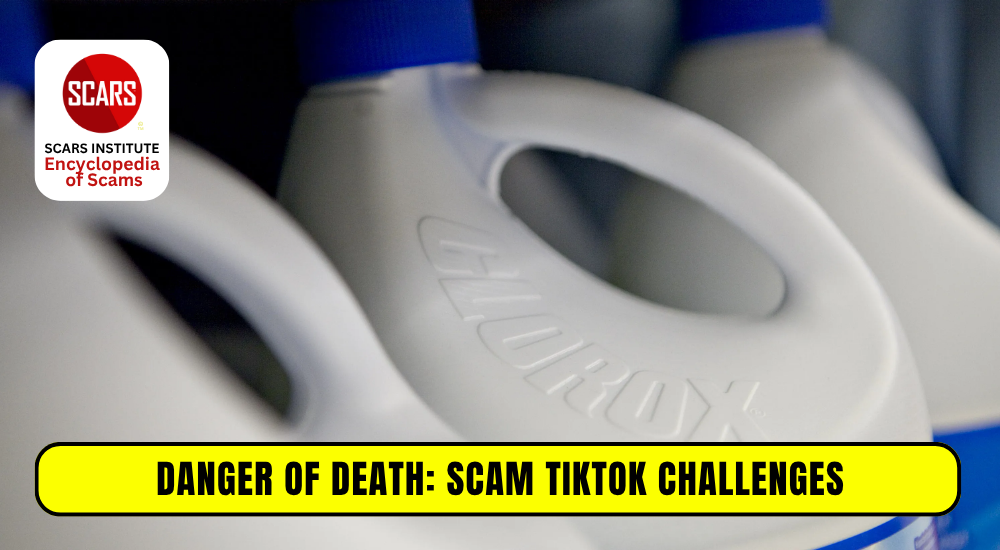
A Professor of Anatomy at Lancaster University recently highlighted that industrial bleach, marketed under names like MMS or aerobic oxygen, has become a dangerous wellness trend. Influencers portray it as a cure for everything from autism to cancer, despite no scientific evidence supporting these claims. The U.S. FDA and CDC classify ingestion of such substances as “drinking bleach” and report severe consequences, including nausea, vomiting, diarrhea, kidney or liver failure, and even death. Poison control centers logged over 16,000 related incidents in 2020, including 2,500 involving children under 12.
When Harm Masquerades as a Trend
In recent years, drinking bleach has resurfaced as a so-called health trend. Some influencers rebrand it as “Miracle Mineral Solution” or “aerobic oxygen” and claim it can cure everything from autism to cancer. These claims are entirely false and deadly. What they are really promoting is chlorine dioxide, a chemical disinfectant. Ingesting it can lead to vomiting, organ failure, and in extreme cases, death.
The U.S. Food and Drug Administration has issued multiple warnings, yet the trend continues to spread. These videos often use friendly tones and nurturing visuals. That combination misleads viewers into believing the substance is safe. The presentation feels more like a home remedy than a chemical hazard. This creates a false sense of trust and lowers skepticism.
Psychology Behind Dangerous Trends
These harmful trends spread rapidly due to psychology and social media design. People witness others performing dares and feel compelled to replicate the action. Users often believe quick-fix solutions to serious problems, especially when influencers with large followings endorse them. This creates confirmation bias: a person who wants a cure or attention may overlook risks and interpret the dare as legitimate. When combined with scarcity cues like “limited time only” or emotional messages from relatable personalities, this creates a powerful environment for mass deception.
Dangerous dares work because they combine emotional appeal, group pressure, and curiosity. People see others do it and believe it must be safe. This is the result of social proof bias. If a trend gains enough visibility, people stop questioning and start imitating.
Another powerful driver is authority bias. When a creator appears confident or claims credentials, their falsehoods carry more weight. They might say things like “doctors don’t want you to know this” or “this natural remedy changed my life.” These statements trick people into rejecting real science in favor of conspiracy.
Children and teens are particularly at risk. Their brains are still developing. They respond more to emotional content and peer influence. If a viral trend shows someone chugging hydrogen peroxide or snorting nutmeg, many will try it without fully understanding the consequences.
Why These Scams Are Not Just Misinformation
Scams typically involve money, but these trends are psychological scams. They prey on fear, hope, and ignorance. They present dangerous ideas as entertainment, health advice, or spiritual practice. Their success depends on the emotional vulnerability of their audience. Some people suffer from chronic illness or have family members who do. Others feel helpless, anxious, or desperate. These trends offer false certainty in uncertain times.
Creators of harmful content often chase attention, not profit. They thrive on likes, shares, and follower growth. Some see themselves as alternative healers or truth-tellers. Others treat it like a social experiment. They mask cruelty behind irony, claiming “it was just a joke.” The harm they cause is very real.
Mechanisms Behind Physical Harm Craze
Each dangerous dare or wellness trend usually unfolds in predictable steps:
- An influencer introduces a bold claim: a substance or activity that produces instant benefits (whitening teeth, curing conditions).
- The influencer demonstrates the activity on camera, often misrepresenting outcomes or ignoring side effects.
- The dare includes peer pressure: “Join the trend,” “Everyone’s doing it,” or “Post your results.”
- Users emulate the activity believing it to be safe, harmless, or beneficial.
- After the action goes viral, no disclaimers or warnings appear, and dangerous injuries result, organ failure, respiratory distress, or tissue damage.
The social proof element convinces many that if so many people do it, it must be safe. This is a classic conformity bias in action.
False Claims and Viral Effects
Oliver Wendell Holmes said, “A man’s mind, once stretched by a new idea, never regains its original dimensions.” Viral tricks exploit this effect. Once people internalize a flawed narrative, as a harmless dare, miracle cure, or life hack, they share it instantly. Content spreads through algorithms and friend networks before fact-checkers or health officials can respond.
Children at Unique Risk
Children and teens are especially vulnerable. They are more likely to feel peer pressure from challenges that present as fun content. Parents report that kids attempt the bleaching dare or other industrial-chemical ingestion dares without supervision. Even a single dose of chlorine dioxide can produce corrosive internal burns and organ damage. The potential for deadly consequences is unexpectedly high.
Manipulating Vulnerable Individuals
Proponents often cloak their messages in emotional appeals. Parents of children with autism or chronic illness get claims that bleach “purifies” the body. Videos depict nurturing mothers administering enemas or drops to their kids. These influencers portray their content as genuine advice backed by heartfelt stories. The result is a potent mixture of authority bias and emotional manipulation.
Women grieving for lost loved ones, individuals with untreated illnesses, and those desperate for hope may be drawn to these dramatic “wellness” films. This emotional vulnerability creates fertile ground for manipulation.
The Role of Platforms and Algorithms
Social media platforms reward high engagement. Algorithms push content that triggers strong reactions. Dangerous trends spread faster than fact-based warnings because they are more shocking. A video of someone drinking a chemical garners more attention than a scientist explaining why it is harmful.
Platforms often take action only after public outcry or media exposure. Until then, harmful videos circulate freely. Reporting tools exist, but they require users to know what to look for. Many people scroll past without recognizing the danger.
Common Examples of Harmful Dares and Fads
- Bleach ingestion: Promoted as a detox or healing solution. Causes internal burns, kidney failure, and death.
- Nutmeg challenge: Users ingest high doses to induce hallucinations. Results in nausea, dizziness, and hospitalization.
- Benadryl challenge: Encourages excessive use of allergy medication to cause hallucinations. Has caused deaths.
- Boiling water challenge: Users pour boiling water on themselves or others. Causes severe burns.
- Sunburn art: Promotes tanning or burning skin in patterns. Increases cancer risk and causes permanent damage.
- Mouth taping for sleep: Claims to improve breathing. Can cause suffocation, especially in children.
These examples all have something in common. They involve physical risk disguised as self-improvement, entertainment, or spiritual exploration. Each one begins with a simple video and ends with emergency room visits or worse.
Why These Dares Persist
Despite repeated warnings by health authorities, these trends persist because they blend shock value, emotional appeal, and easy-to-follow formats: videos less than a minute long with engaging visuals and a challenge for viewers to replicate. Social media algorithms reward rapid engagement and novelty. Dangerous trends outcompete sensible health content because they evoke stronger emotional responses.
How to Recognize and Reject Harmful Trends
The public needs clear strategies to avoid falling into these traps.
- First, question any video that promises a cure, transformation, or shortcut. If it sounds too good to be true, it is. Real health solutions take time and involve professional guidance.
- Second, avoid content that uses secretive language. Claims like “they don’t want you to know this” are red flags. Scammers use those phrases to create false urgency.
- Third, check if the person is selling something. Even when money is not involved, there is often another gain: followers, attention, or influence.
- Fourth, do not assume that popularity equals credibility. Just because a trend has millions of views does not make it valid or safe.
- Fifth, talk to others about what you see. Parents, teachers, and friends can offer perspective. If something seems off, say so. Speaking up could protect others.
What Platforms Must Do
Social media platforms must treat these trends like biohazard alerts. Any content encouraging ingestion, self-harm, or dangerous health practices should be removed immediately. Platforms must verify claims about cures and enforce policies against user-generated content that spreads harmful misinformation. Flagging tools and consistent algorithmic suppression of repeat offenders will help reduce unintended harm.
Empowering Viewers to Stay Safe
Readers deserve practical advice:
- Research before replicating. Always verify claims with trusted health sources such as CDC, FDA, NHS, or Mayo Clinic.
- Question extreme claims. No single magic remedy cures multiple unrelated illnesses. Anything that promises life-changing transformation with no downside is highly suspect.
- Resist peer pressure. Just because peers are doing it online does not make it safe.
- Report harmful content. Use platform tools to flag posts that suggest ingesting bleach, taking unknown chemicals, or harming oneself.
- Be extra cautious with children. Monitor social media use. Talk with them about viral trends and the importance of questioning rather than following.
- Check for independent evidence. See if mainstream news and reputable scientific journals report any studies or confirmations. If not, treat the trend as unverified and unsafe.
Encourage Responsible Content Creators
Legitimate creators can take these steps:
- Issue disclaimers for medical or health claims.
- Cite official medical sources when referencing health content.
- Remove dangerous content immediately upon learning of harm.
- Encourage followers to consult licensed professionals before trying anything new.
- Model healthy critical thinking: “I looked into it. You should too.”
The Legal and Ethical Responsibility of Creators
Creators have a responsibility to avoid encouraging harm. Claiming ignorance is not enough. If someone publishes content about ingesting chemicals or injuring the body, they are responsible for the consequences. This includes physical injuries, psychological distress, and copycat actions.
Some countries have begun holding influencers accountable. Legal actions against people promoting bleach and other toxic substances have already occurred. More needs to happen.
Platforms should enforce stricter rules and remove content that presents danger. They should not wait for someone to be hurt. Prevention must take priority over reaction.
What Parents and Educators Should Do
Adults must teach children to think critically about what they see online. This includes understanding the difference between fact and performance, identifying peer pressure, and asking questions.
Children should learn that not all dares are jokes. If something involves pain, embarrassment, or secrecy, it should be refused. Real friends do not pressure others into harm.
Parents should monitor screen time, ask what trends their children follow, and watch for behavioral changes. Open conversation is more effective than strict control. Create a space where young people feel safe talking about what they see online.
Final Thoughts
The rise of harmful dares and false wellness trends reflects a deeper crisis in how people consume information. These are not just internet jokes. They are real-life manipulations. The effects are physical, emotional, and lasting. People have died because of them. Others live with trauma, injuries, or guilt.
The public must stay informed and skeptical. Social media users must question everything, especially content that involves health, the body, or self-harm. Platforms must take responsibility. Creators must exercise moral judgment. Parents and educators must engage and guide.
Danger cannot be left to trend unchecked. Every person plays a role in ending the spread of viral harm. Caution, awareness, and honest discussion can protect lives and stop dangerous lies from becoming the next popular challenge.
Conclusion
Social media can inspire creativity and connection. Unfortunately, it also enables dangerously deceptive trends disguised as dares or wellness tips. Drinking bleach or ingesting chemicals because “everyone is doing it” is a tragedy waiting to happen. These false claims threaten to harm or kill the most vulnerable. Only systematic awareness, platform responsibility, and user vigilance can stop the spread of harmful social media practices. People owe it to themselves, their loved ones, and their communities to question before they leap. Never engage in any trend that compromises physical safety or critical thinking.
-/ 30 /-
What do you think about this?
Please share your thoughts in a comment below!
Table of Contents



Rapid Report Scammers

In the U.S. & Canada
U.S. & Canada Suicide Lifeline 988
LEAVE A COMMENT?
Recent Comments
On Other Articles
- Wendy Guiher on 15 Things That Nearly Every Online and Phone Scams Have In Common – 2026: “Very concise, direct information. When I look back on the crime against me I now can see ALL of the…” Apr 1, 06:24
- on The Danger of Using AI in Law Enforcement – The Grandmother Wrongly Arrested as a Fraudster – 2026: “Excellent article – I can’t imagine the terror Angela most certainly experienced. Compound this with the lack of accountability by…” Mar 24, 09:20
- on The Crazy Gregor MacGregor and the Country of Poyais Scam – History of Scams – 2026: “interesting” Mar 23, 19:24
- on BEC Fraud Reaches $43 Billion Per Year: “oh my gosh so much of an increase in the fraud I pray the officials can continue tracking and make…” Mar 23, 15:09
- on Establishing The United States Task Force To Eliminate Fraud – 2026: “Make Online Safe Again!” Mar 17, 19:11
- on Establishing The United States Task Force To Eliminate Fraud – 2026: “Finally an administration takes the initiative to help solve the gigantic situation. Make America Safe Again, thank you!” Mar 17, 15:41
- on What Is The Difference Between A Scam Victim And A Scam Survivor? [Updated]: “Due to my scams I don’t fully trust anyone online and I shouldn’t even those people I knew in high…” Mar 7, 12:46
- on SCARS 3 Steps For New Scam Victims 2024: “I was very fearful “he” would come to my home because I was knew my address, I spoke to someone…” Mar 7, 09:50
- on Sadness & Scam Recovery: “Before my scam, my mom passed away and I got a divorce, so I was dealing with the loss of…” Mar 7, 09:37
- on The Story Of Kira Lee Orsag (aka Dani Daniels) [Updated]: “There is NO evidence and she is not, she is a victim too. Sebastian, stop letting your anger think for…” Mar 6, 23:18
ARTICLE META
Important Information for New Scam Victims
- Please visit www.ScamVictimsSupport.org – a SCARS Website for New Scam Victims & Sextortion Victims
- Enroll in FREE SCARS Scam Survivor’s School now at www.SCARSeducation.org
- Please visit www.ScamPsychology.org – to more fully understand the psychological concepts involved in scams and scam victim recovery
If you are looking for local trauma counselors please visit counseling.AgainstScams.org or join SCARS for our counseling/therapy benefit: membership.AgainstScams.org
If you need to speak with someone now, you can dial 988 or find phone numbers for crisis hotlines all around the world here: www.opencounseling.com/suicide-hotlines
A Note About Labeling!
We often use the term ‘scam victim’ in our articles, but this is a convenience to help those searching for information in search engines like Google. It is just a convenience and has no deeper meaning. If you have come through such an experience, YOU are a Survivor! It was not your fault. You are not alone! Axios!
A Question of Trust
At the SCARS Institute, we invite you to do your own research on the topics we speak about and publish, Our team investigates the subject being discussed, especially when it comes to understanding the scam victims-survivors experience. You can do Google searches but in many cases, you will have to wade through scientific papers and studies. However, remember that biases and perspectives matter and influence the outcome. Regardless, we encourage you to explore these topics as thoroughly as you can for your own awareness.
Statement About Victim Blaming
SCARS Institute articles examine different aspects of the scam victim experience, as well as those who may have been secondary victims. This work focuses on understanding victimization through the science of victimology, including common psychological and behavioral responses. The purpose is to help victims and survivors understand why these crimes occurred, reduce shame and self-blame, strengthen recovery programs and victim opportunities, and lower the risk of future victimization.
At times, these discussions may sound uncomfortable, overwhelming, or may be mistaken for blame. They are not. Scam victims are never blamed. Our goal is to explain the mechanisms of deception and the human responses that scammers exploit, and the processes that occur after the scam ends, so victims can better understand what happened to them and why it felt convincing at the time, and what the path looks like going forward.
Articles that address the psychology, neurology, physiology, and other characteristics of scams and the victim experience recognize that all people share cognitive and emotional traits that can be manipulated under the right conditions. These characteristics are not flaws. They are normal human functions that criminals deliberately exploit. Victims typically have little awareness of these mechanisms while a scam is unfolding and a very limited ability to control them. Awareness often comes only after the harm has occurred.
By explaining these processes, these articles help victims make sense of their experiences, understand common post-scam reactions, and identify ways to protect themselves moving forward. This knowledge supports recovery by replacing confusion and self-blame with clarity, context, and self-compassion.
Additional educational material on these topics is available at ScamPsychology.org – ScamsNOW.com and other SCARS Institute websites.
Psychology Disclaimer:
All articles about psychology and the human brain on this website are for information & education only
The information provided in this article is intended for educational and self-help purposes only and should not be construed as a substitute for professional therapy or counseling.
While any self-help techniques outlined herein may be beneficial for scam victims seeking to recover from their experience and move towards recovery, it is important to consult with a qualified mental health professional before initiating any course of action. Each individual’s experience and needs are unique, and what works for one person may not be suitable for another.
Additionally, any approach may not be appropriate for individuals with certain pre-existing mental health conditions or trauma histories. It is advisable to seek guidance from a licensed therapist or counselor who can provide personalized support, guidance, and treatment tailored to your specific needs.
If you are experiencing significant distress or emotional difficulties related to a scam or other traumatic event, please consult your doctor or mental health provider for appropriate care and support.
Also read our SCARS Institute Statement about Professional Care for Scam Victims – click here to go to our ScamsNOW.com website.

Thank you for your comment. You may receive an email to follow up. We never share your data with marketers.