



SCARS Institute’s Encyclopedia of Scams™ Published Continuously for 25 Years

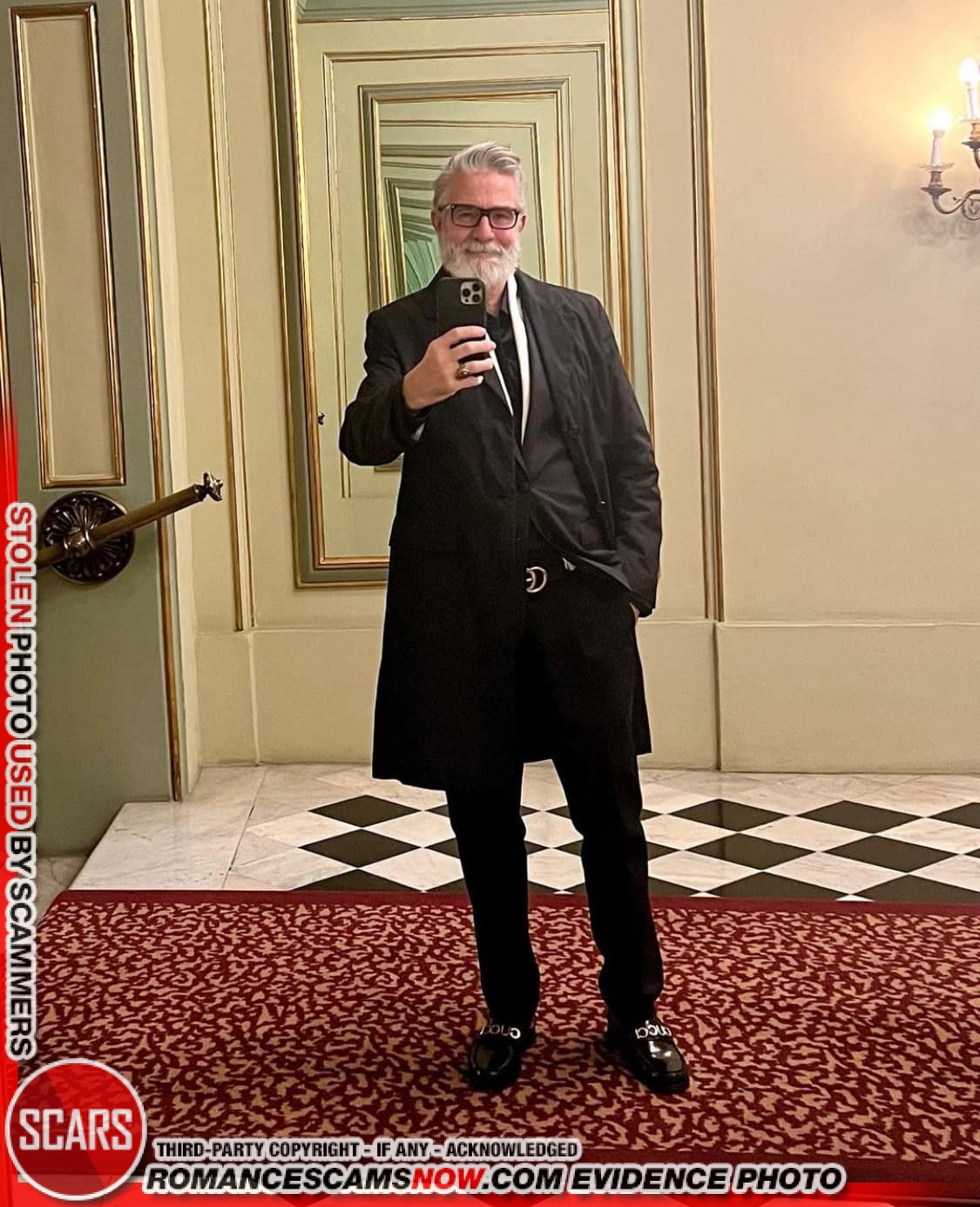
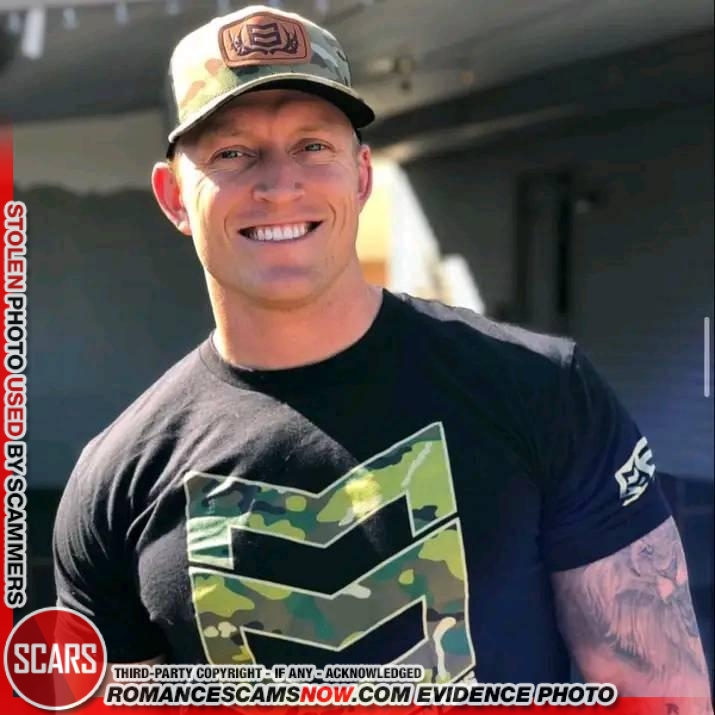
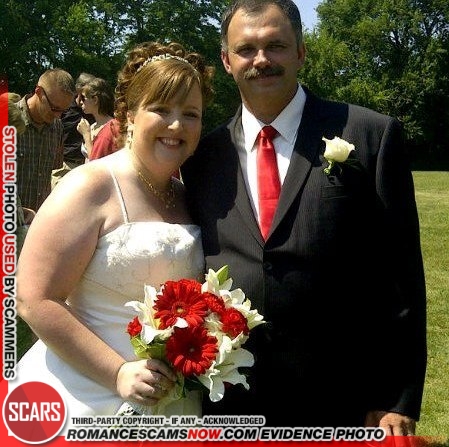
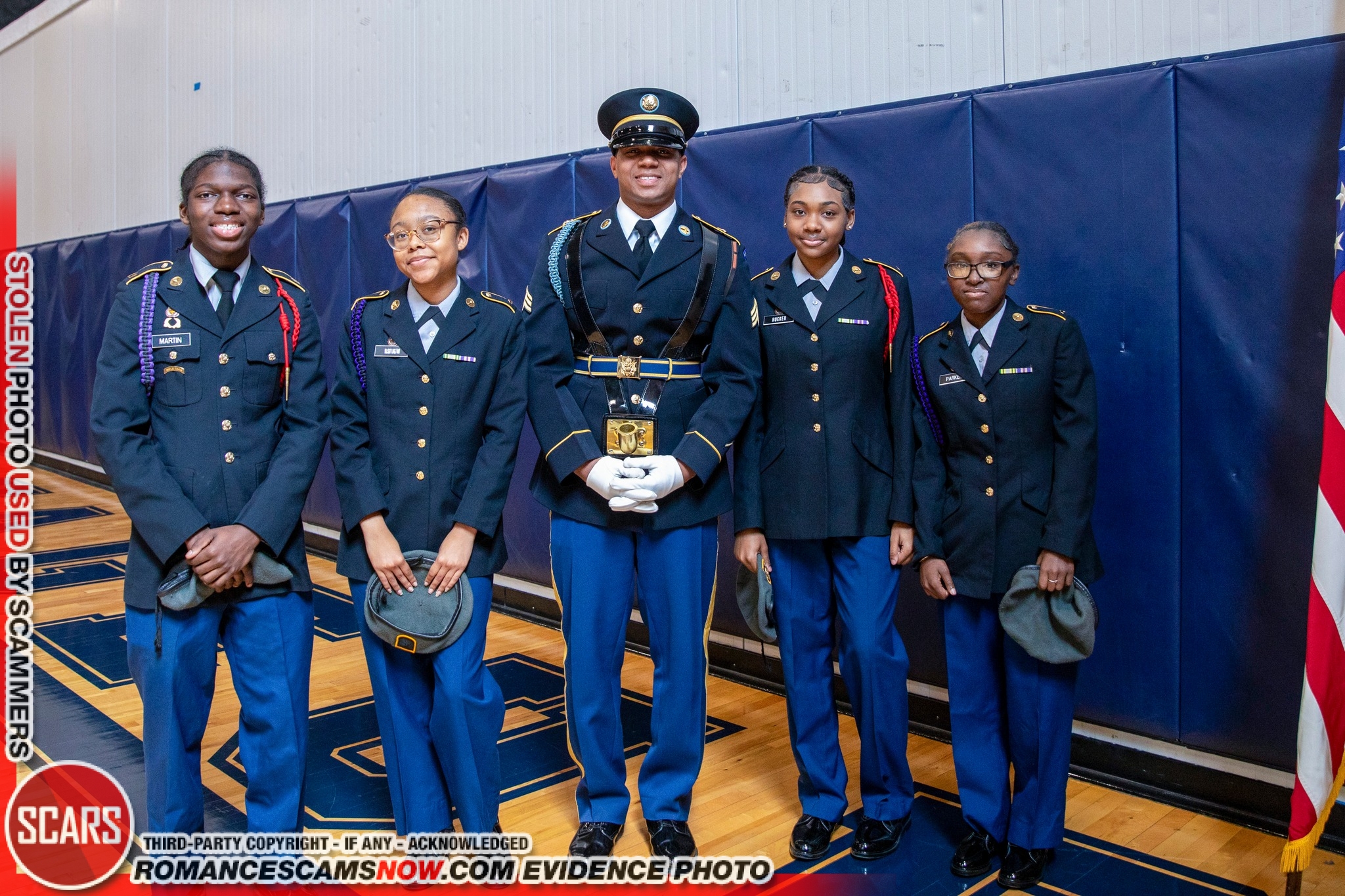
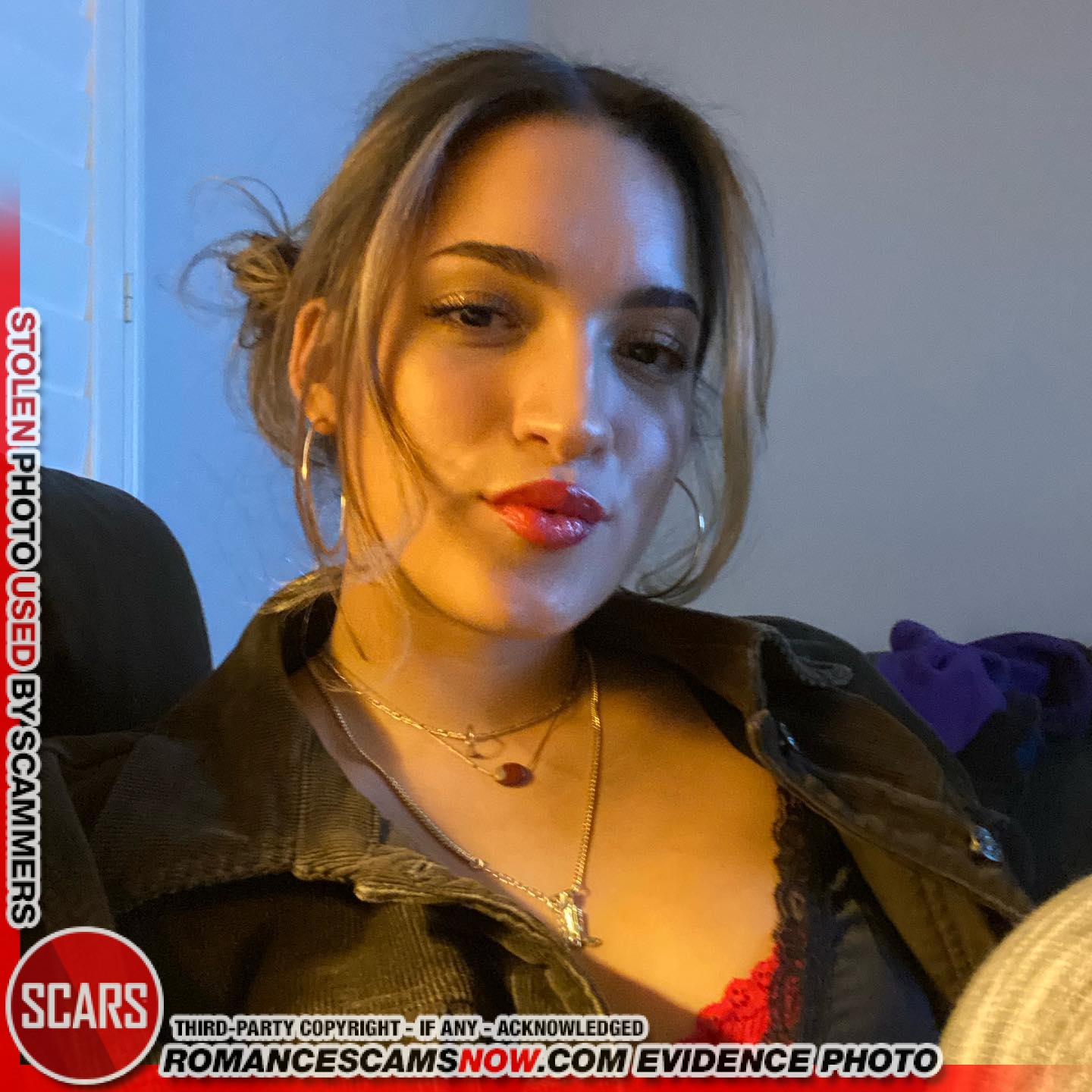
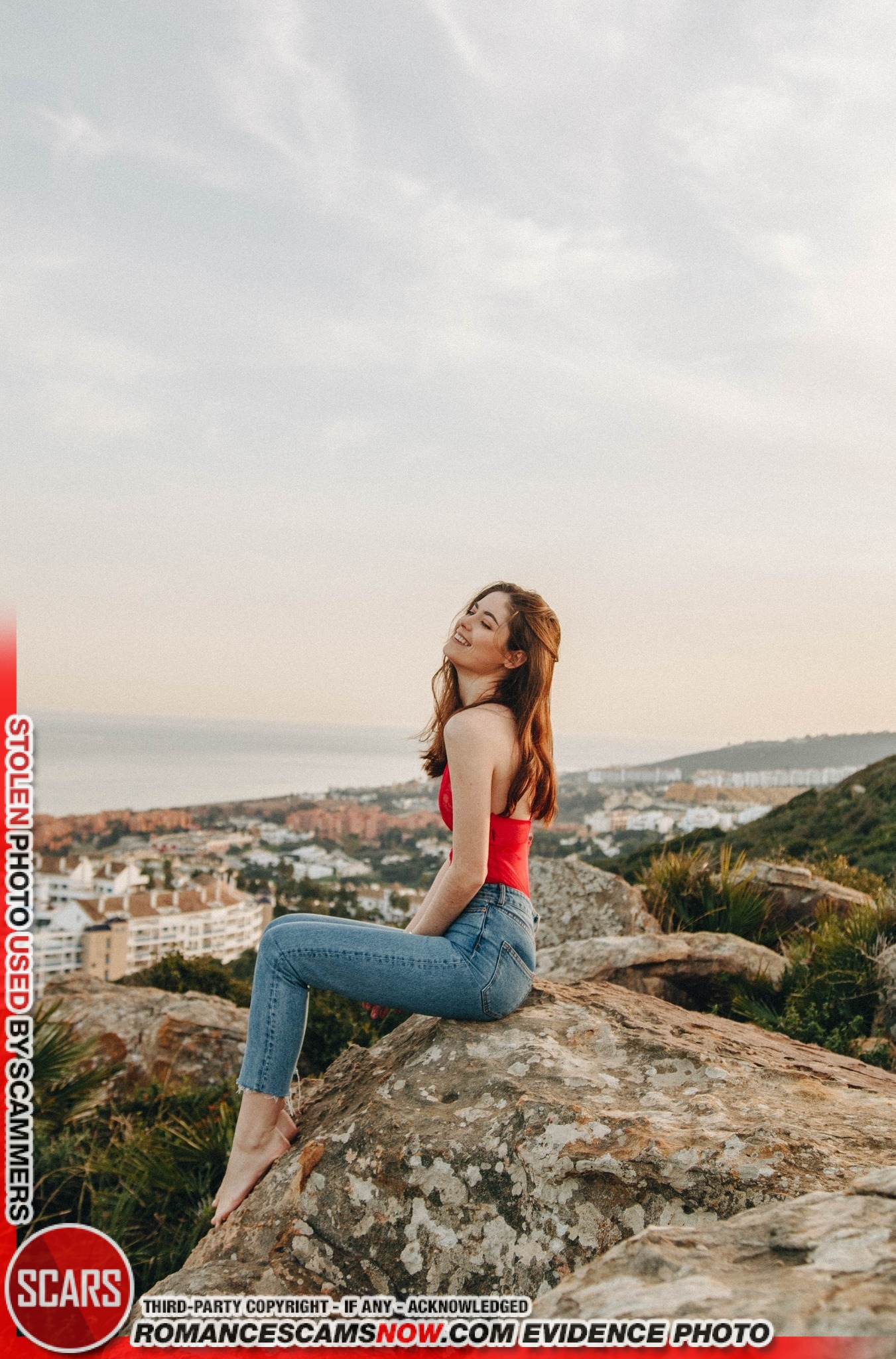
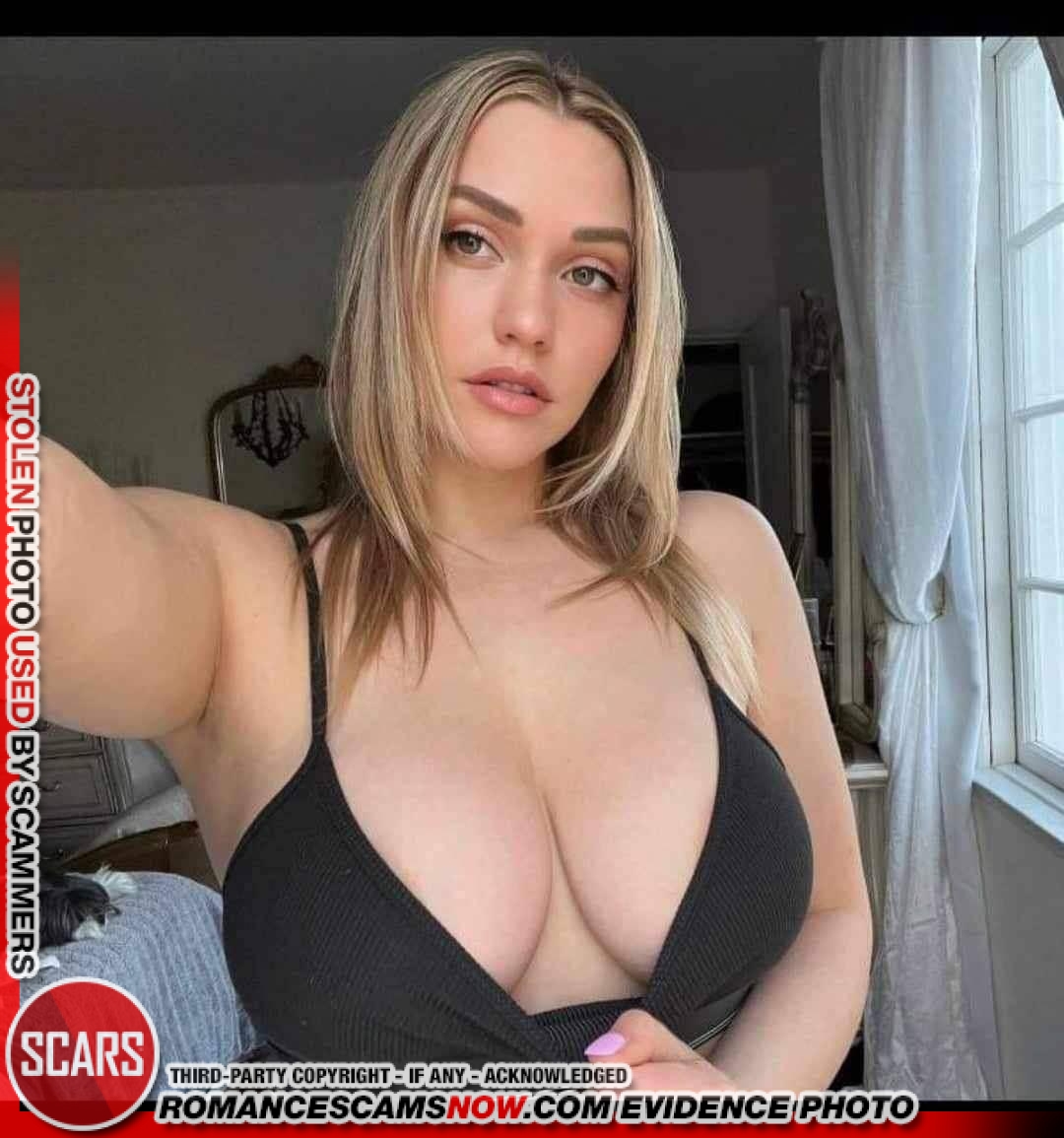
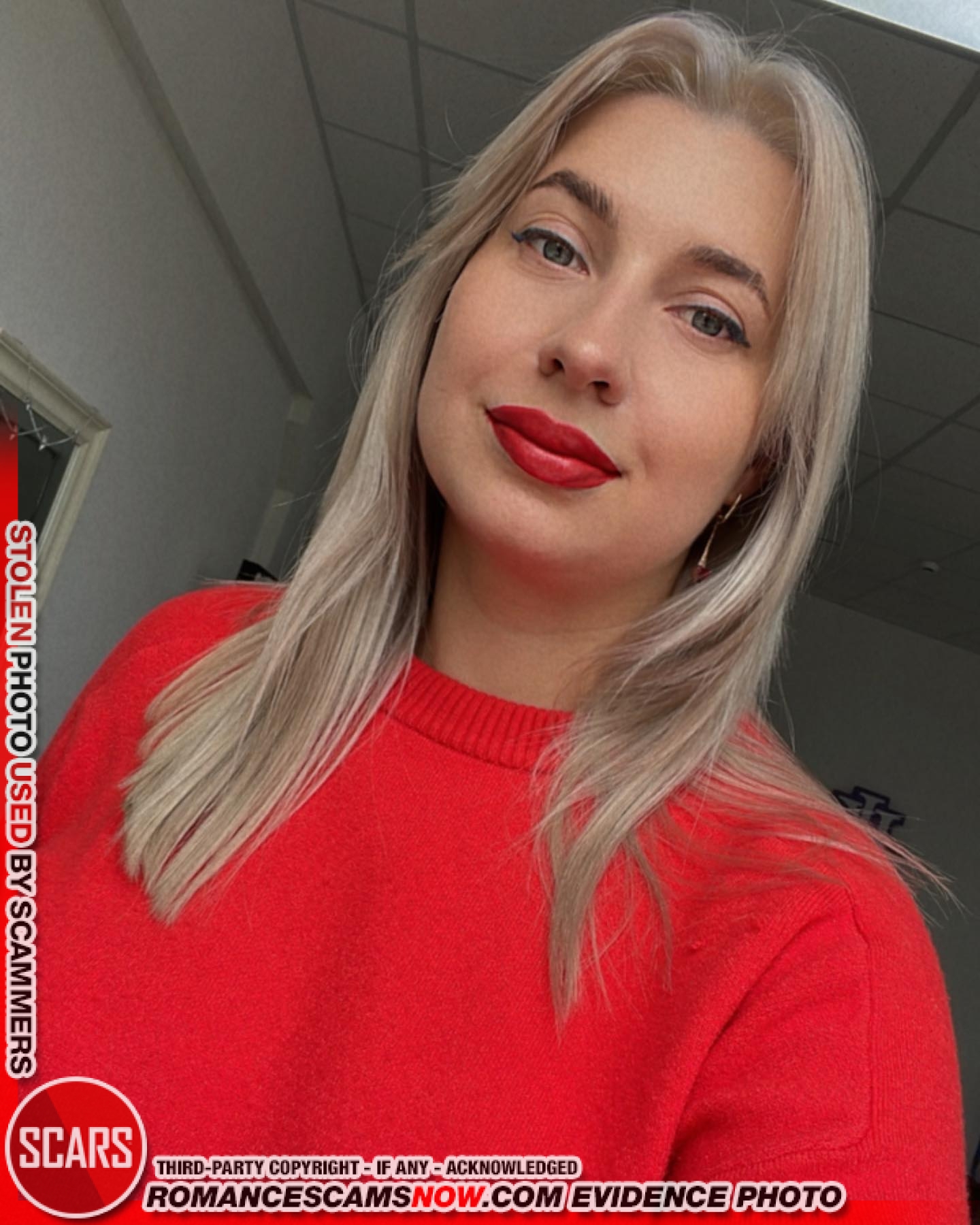
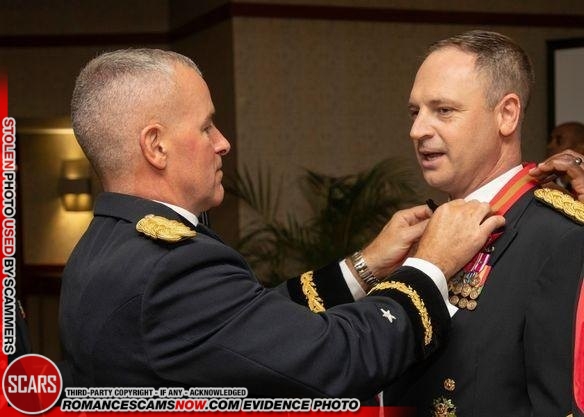
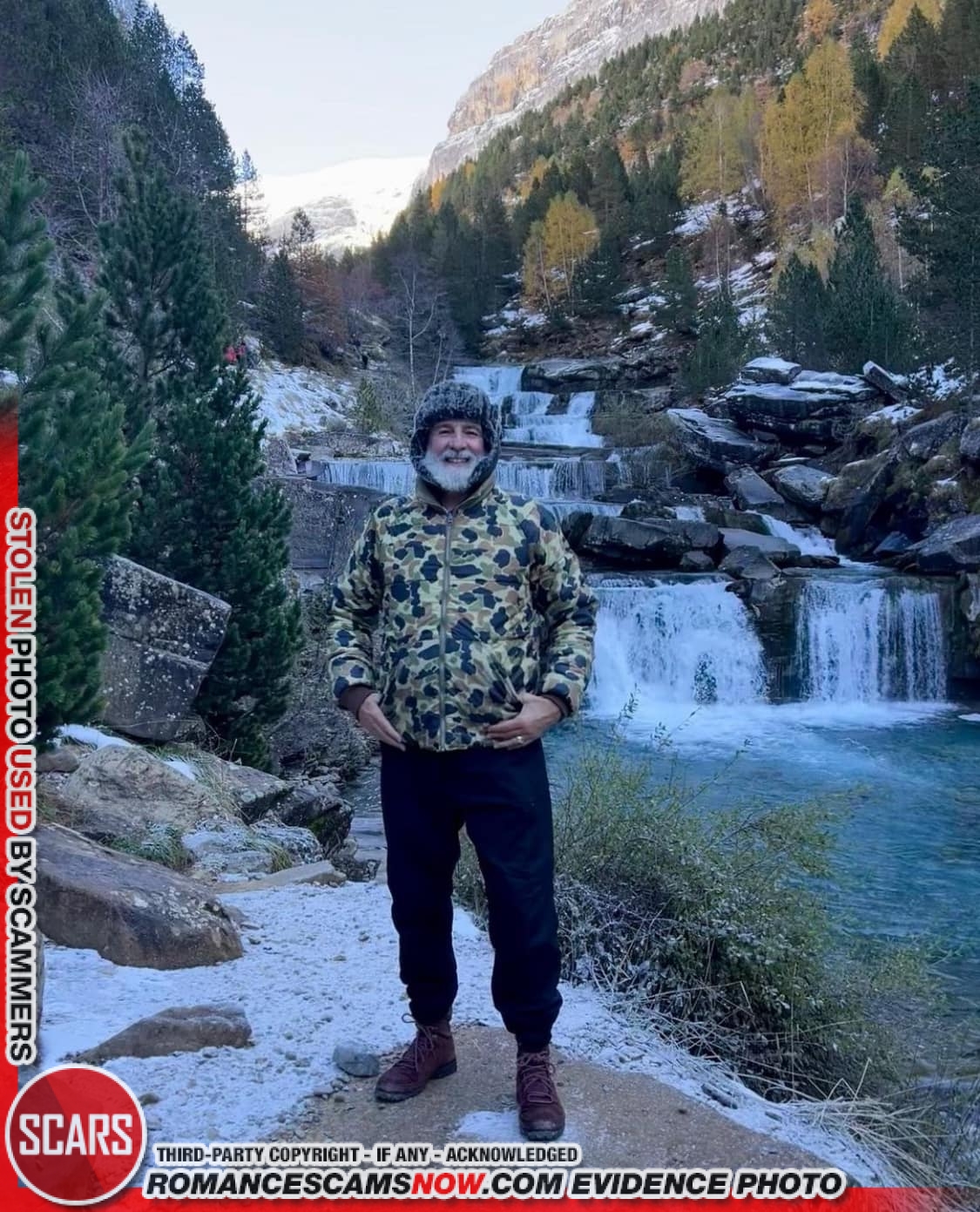
Recent Stolen Photos – Stolen Faces – Impersonation Victims – Stolen Photos Used By Scammers
Set 2024 – 3
How Scams Work – A SCARS Institute Insight
Author:
• SCARS Institute Encyclopedia of Scams Editorial Team – Society of Citizens Against Relationship Scams Inc.

Scam Victim Caution
Looking at fake profile photos used by scammers can be detrimental for scam victims as it can trigger emotional distress, reigniting the trauma of being deceived and exploited. Continually exposing oneself to these images can reinforce negative memories, hinder the healing process, and maintain a cycle of obsessive thoughts and behaviors that prevent recovery. It also risks retraumatizing the victim, making it harder to move on and focus on rebuilding trust and emotional well-being.

Recent Stolen Photos Used By Scammers – Each is an Imerspnation Victims
PLEASE DO NOT TRY TO CONTACT THEM
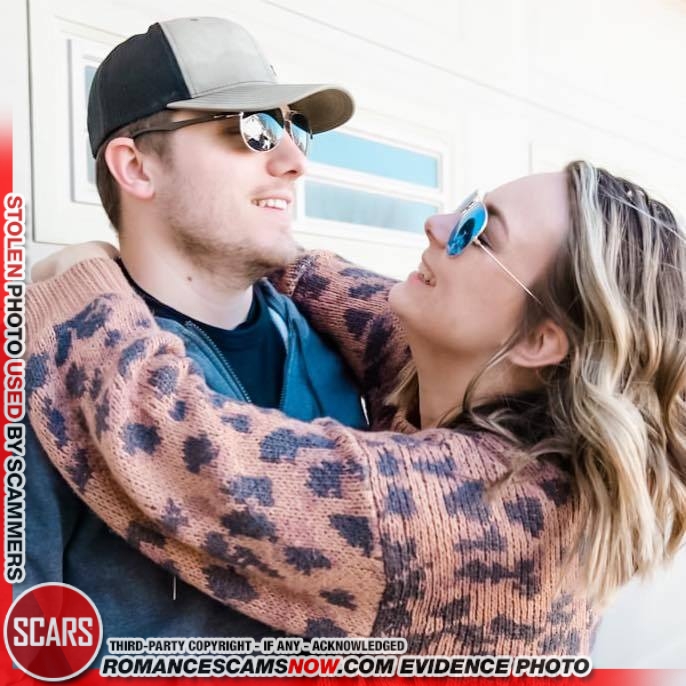
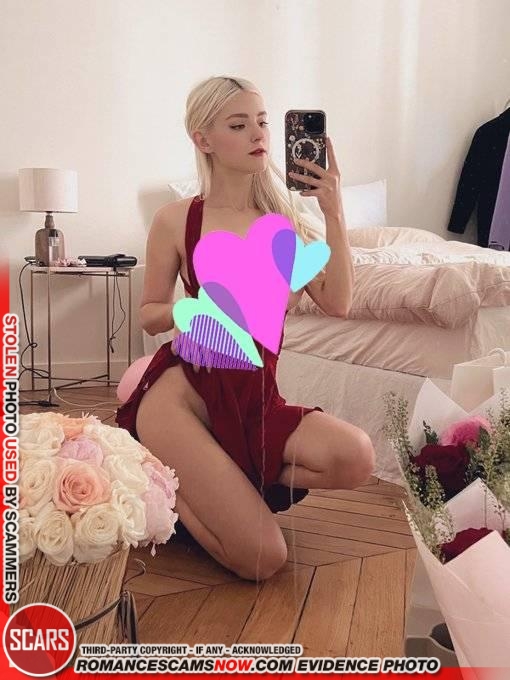
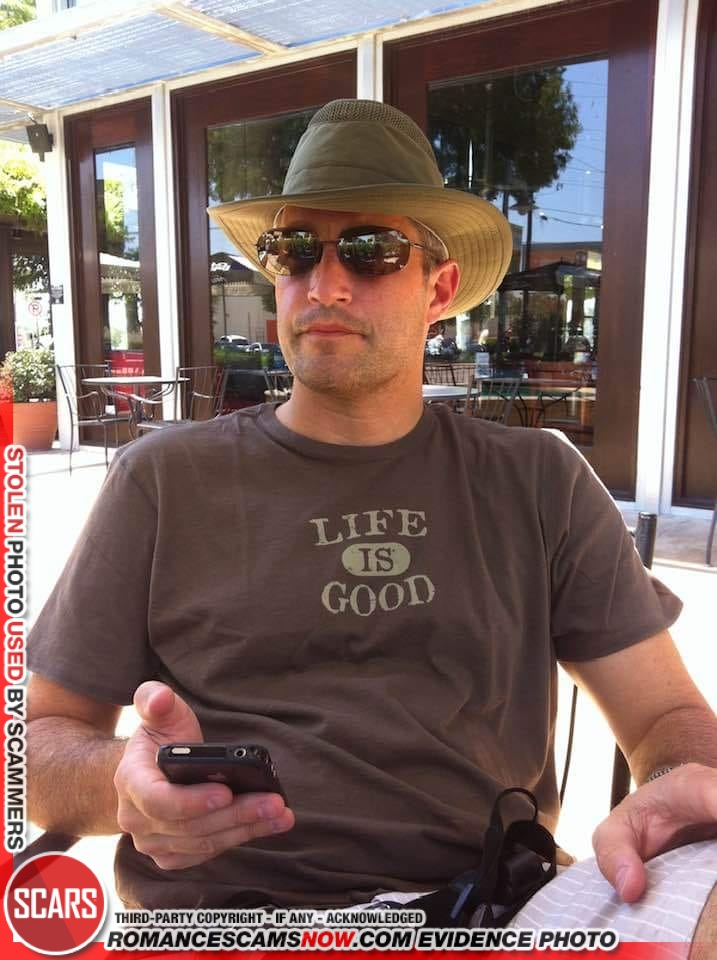
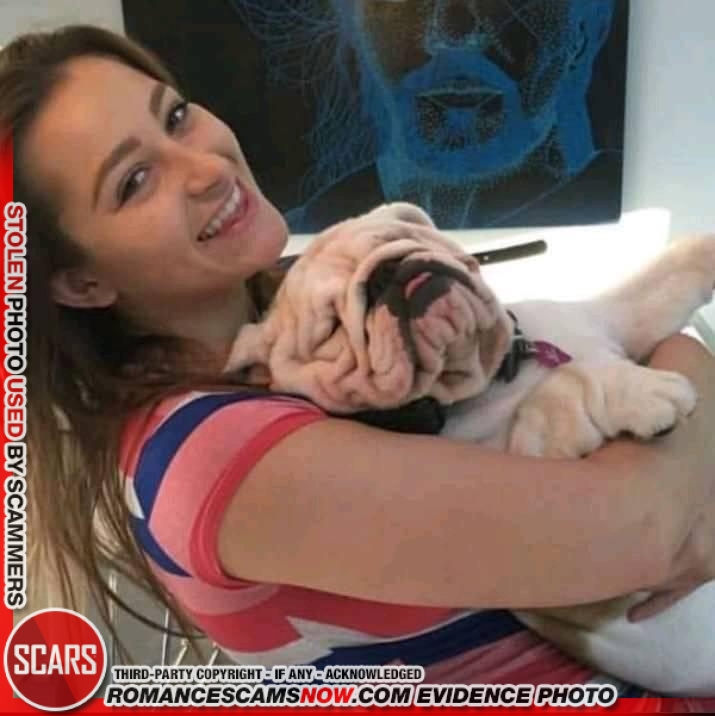
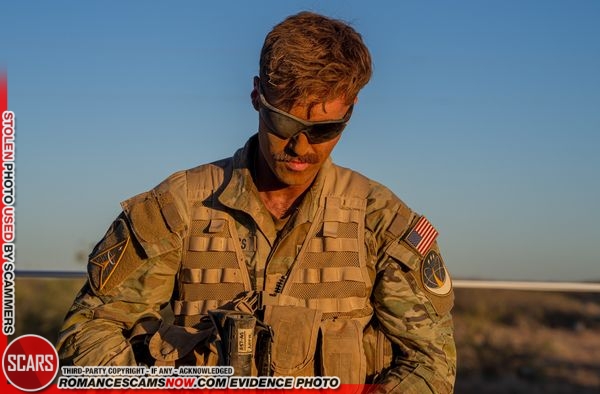
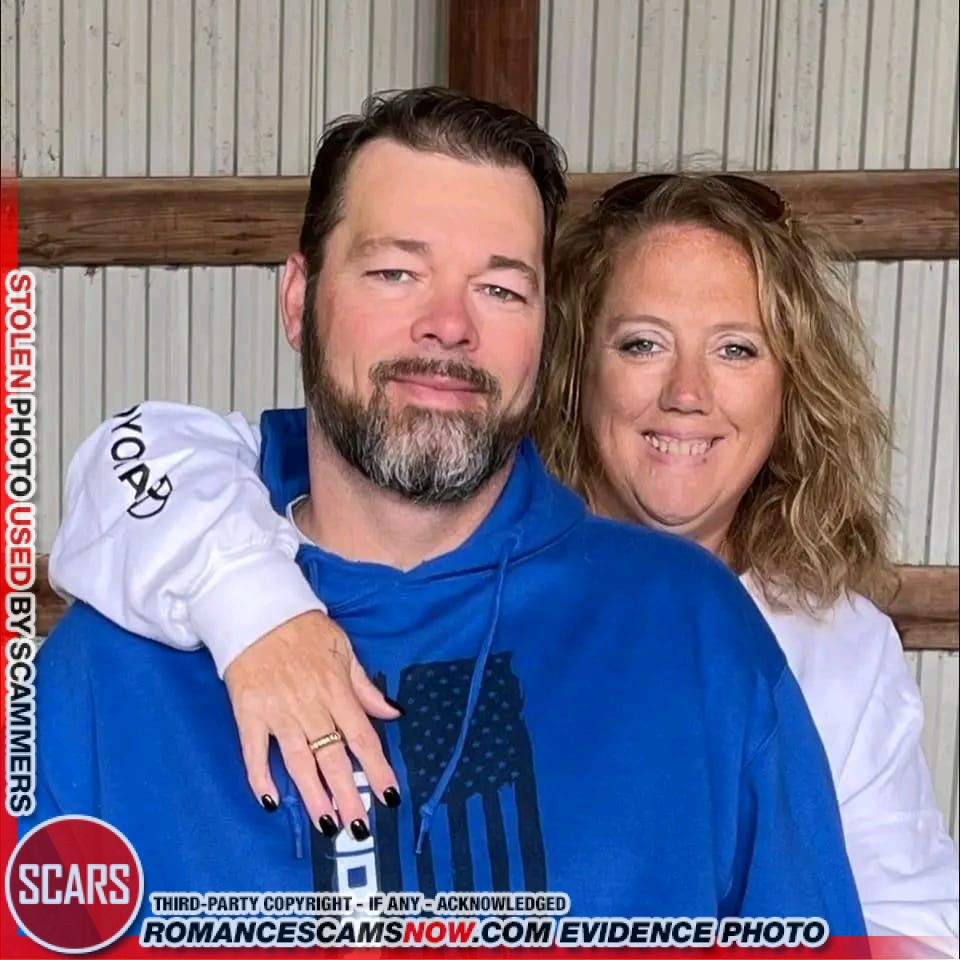
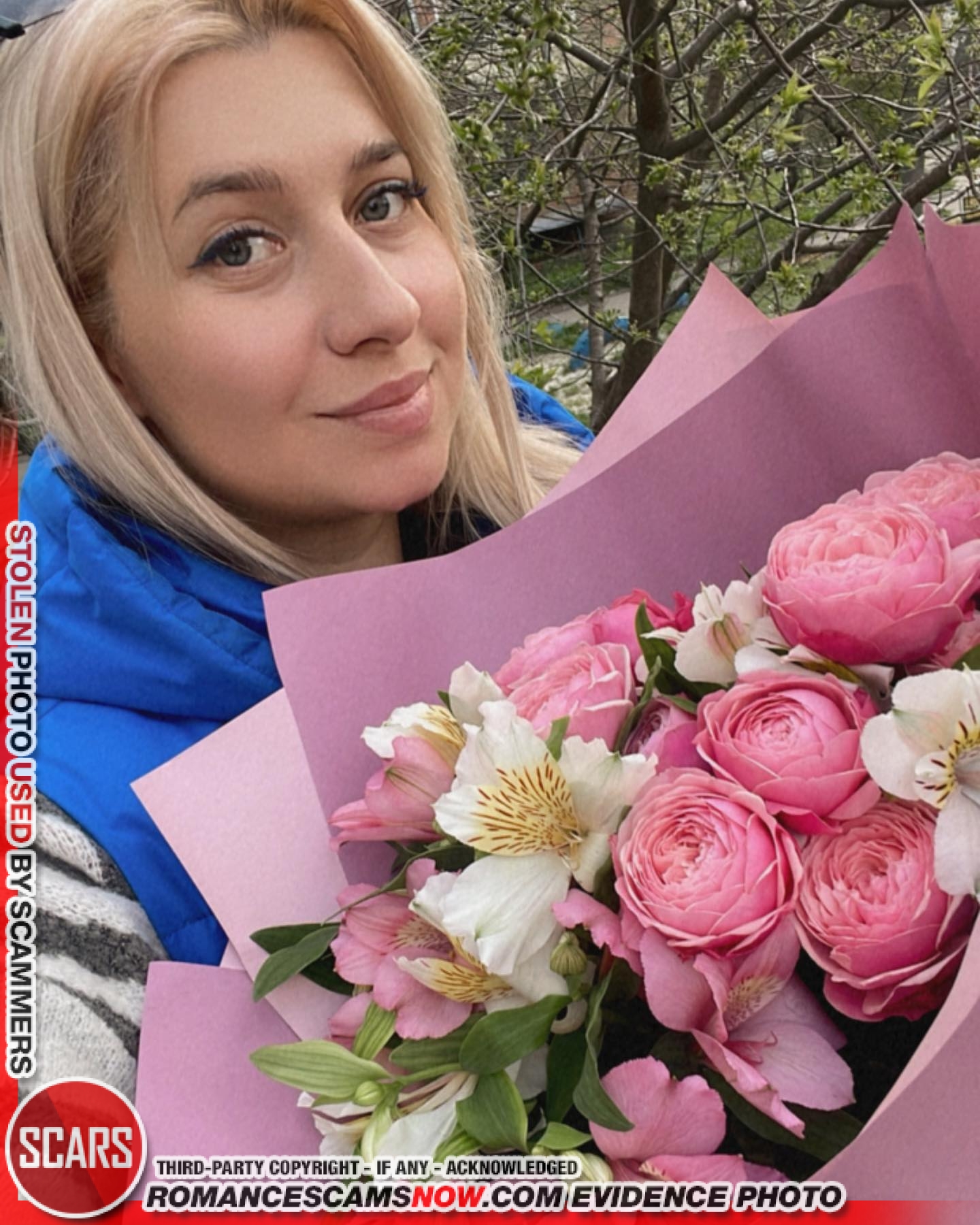
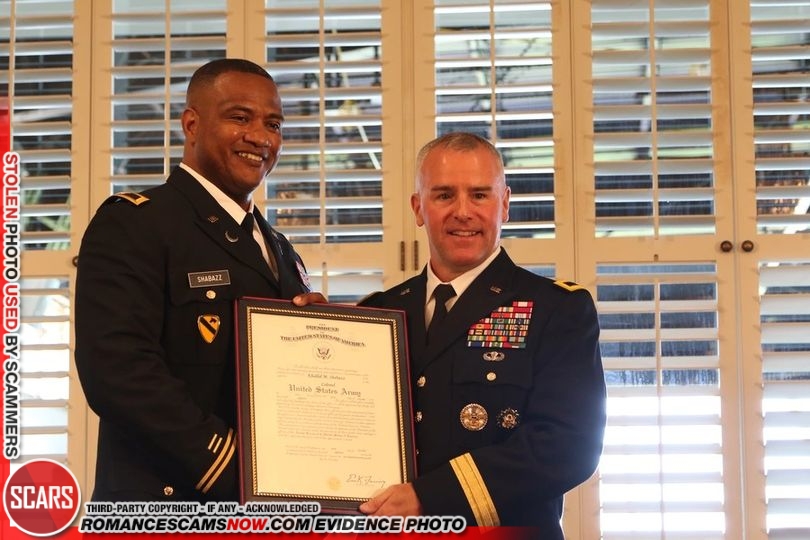
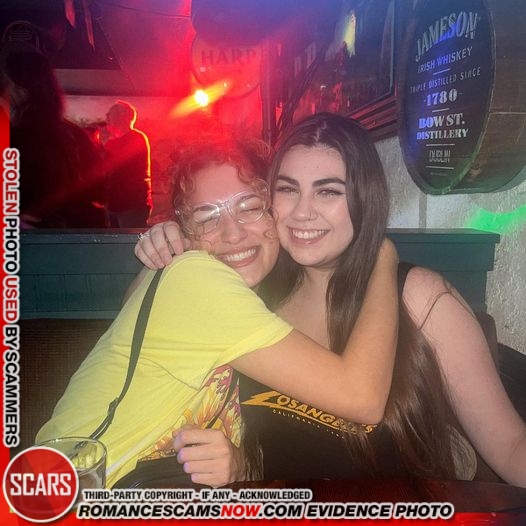
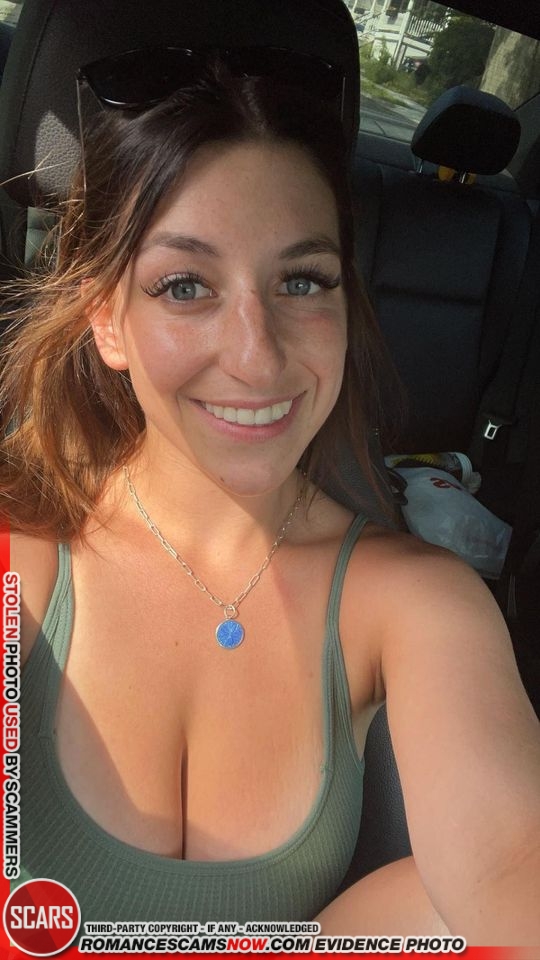
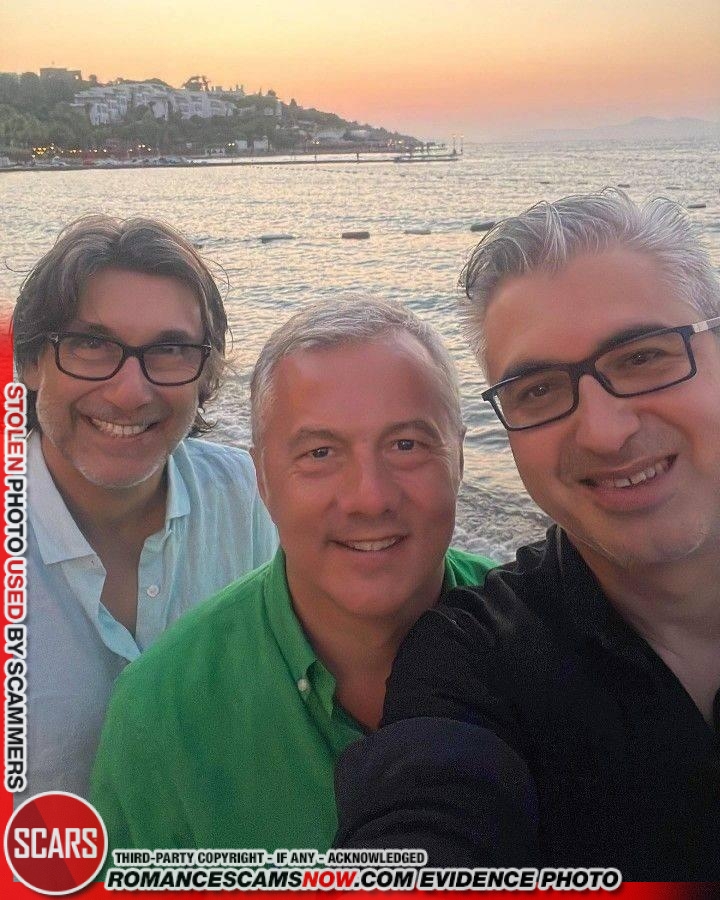
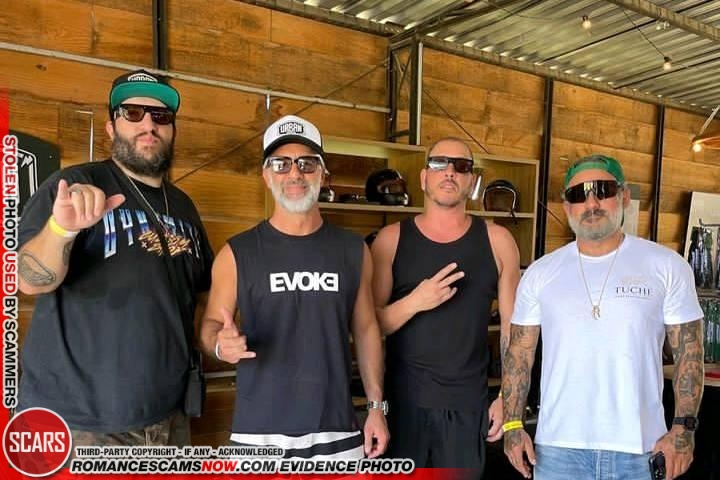
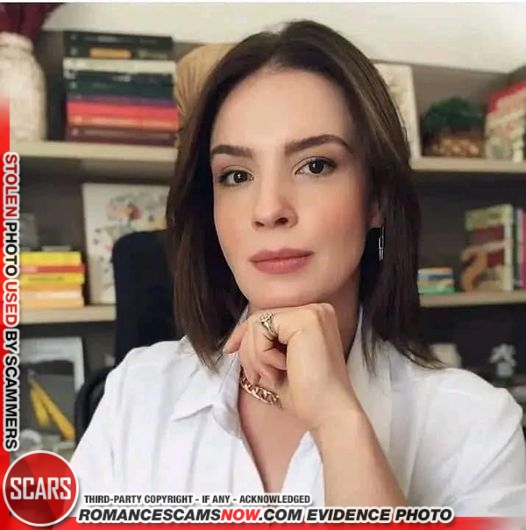
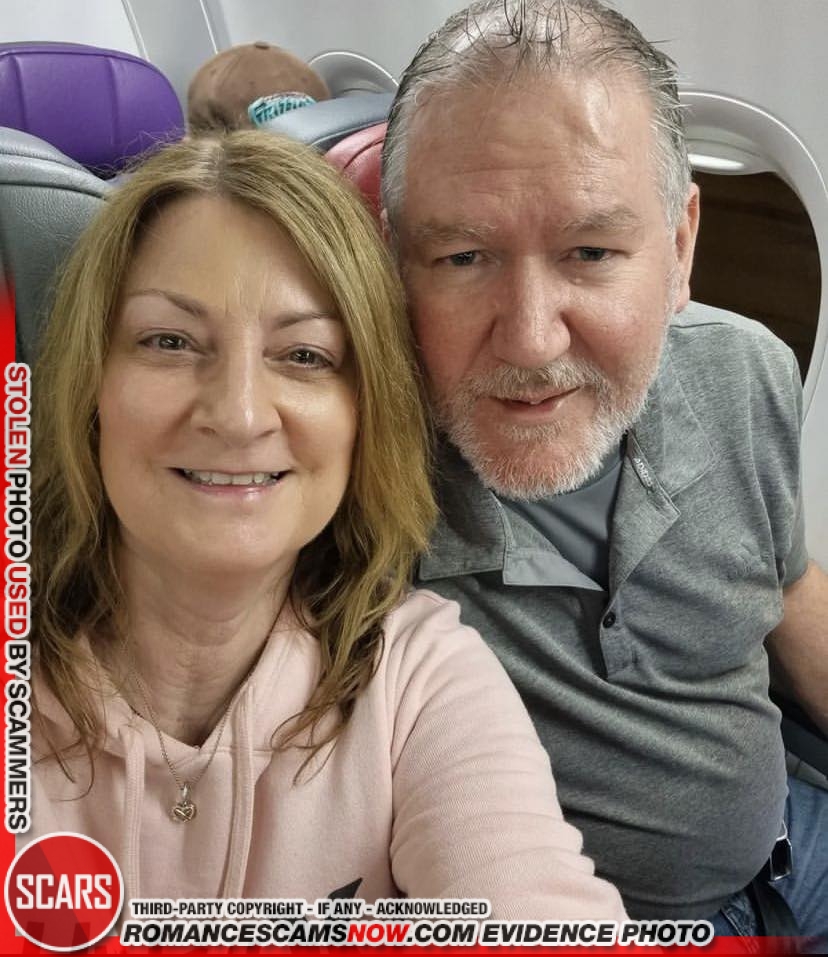
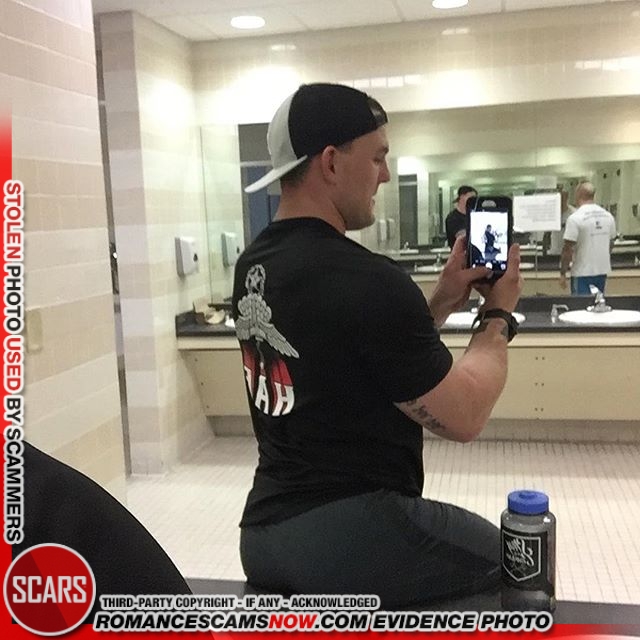
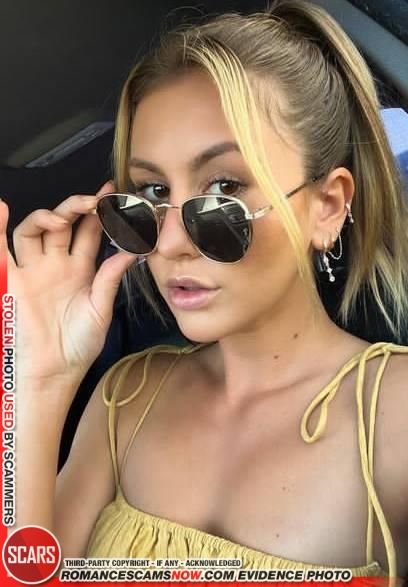
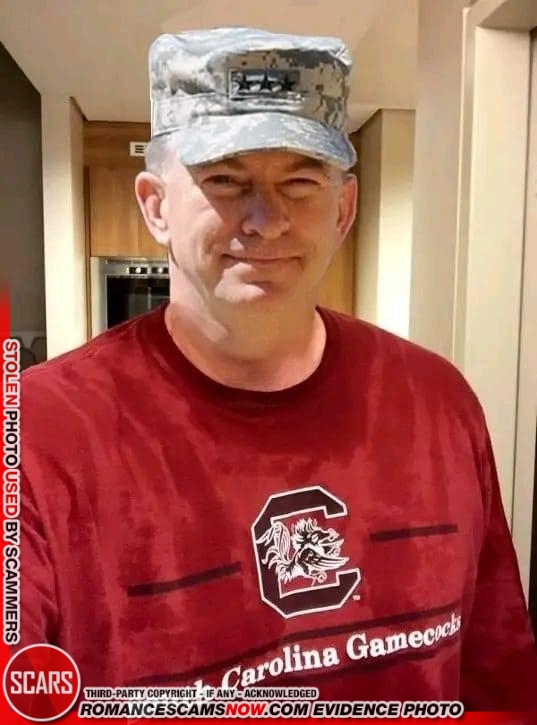
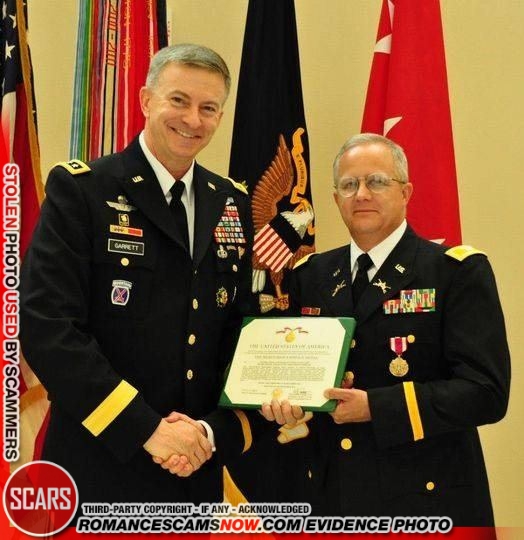
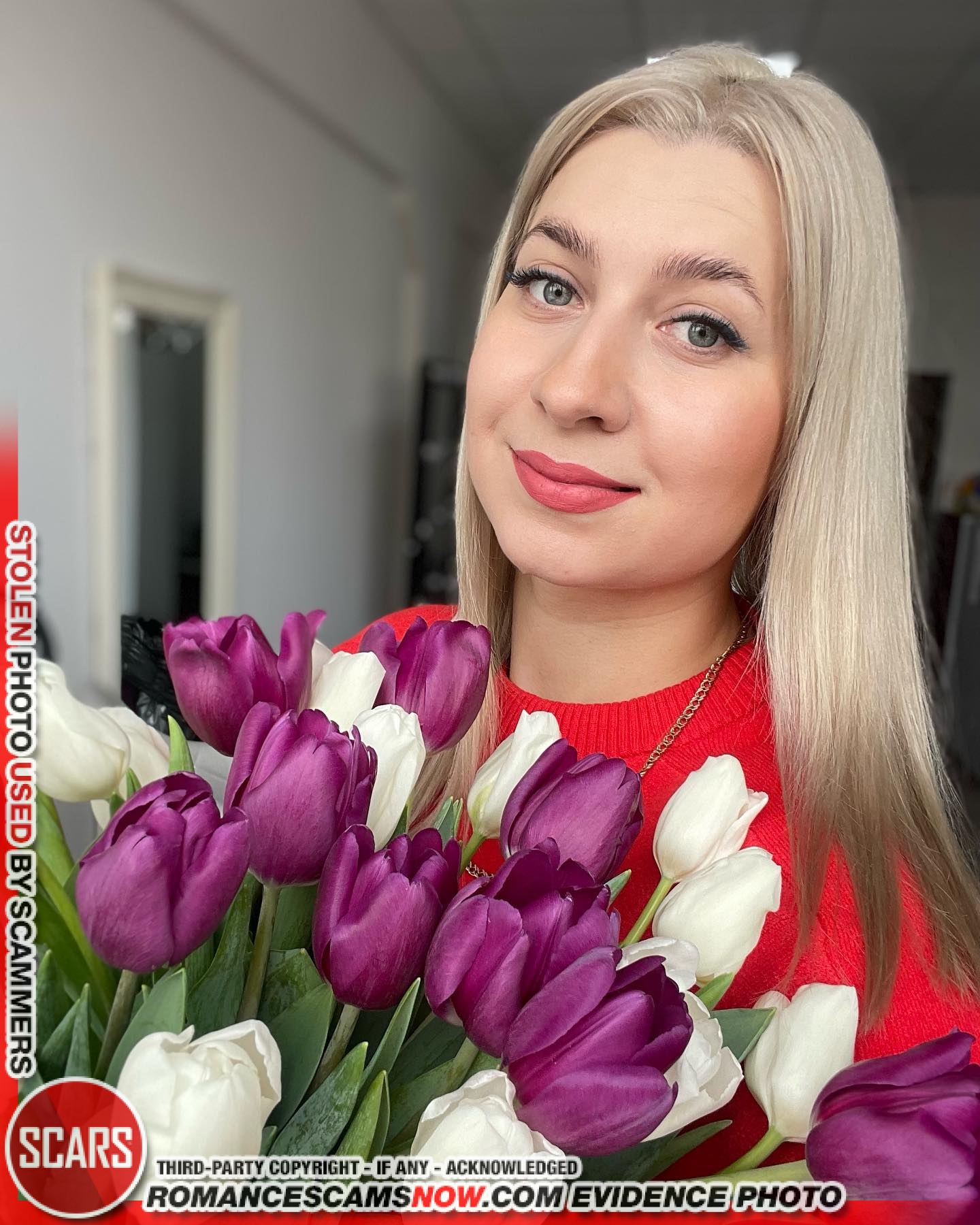
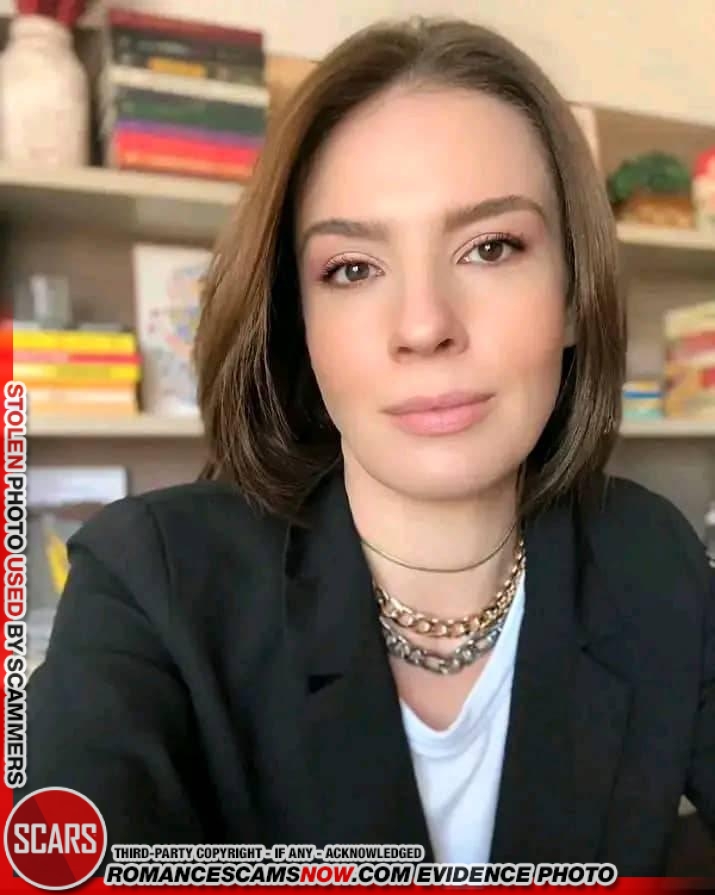
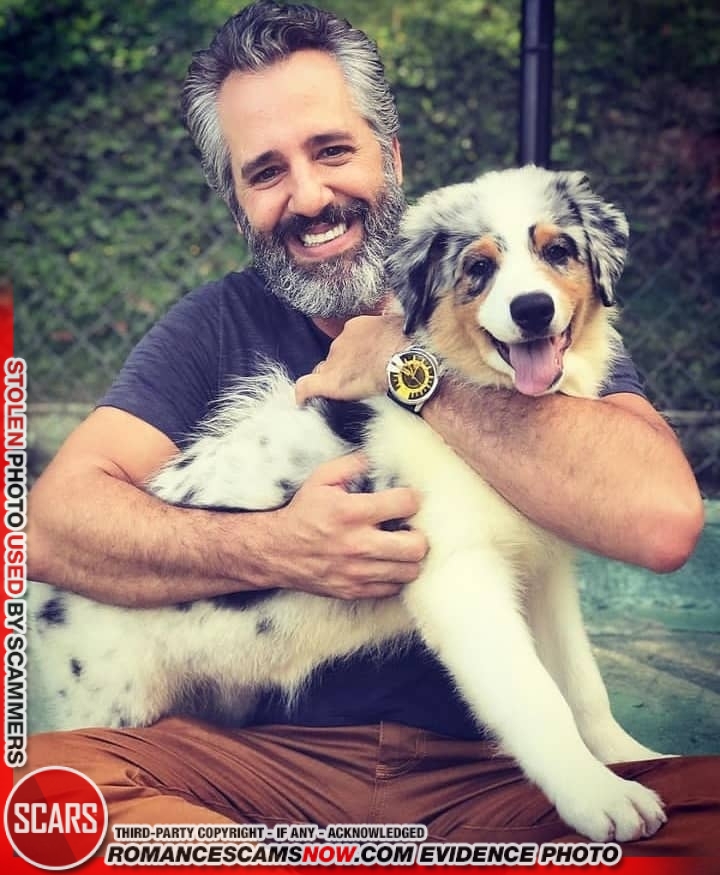
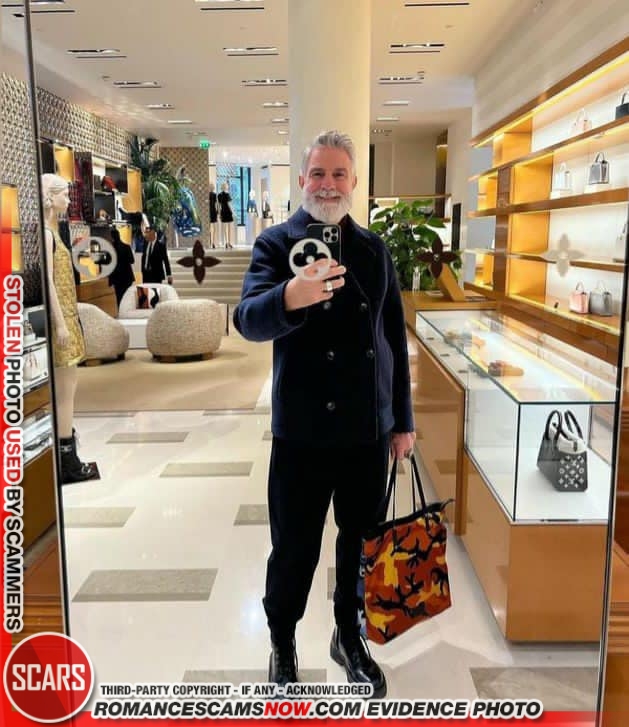
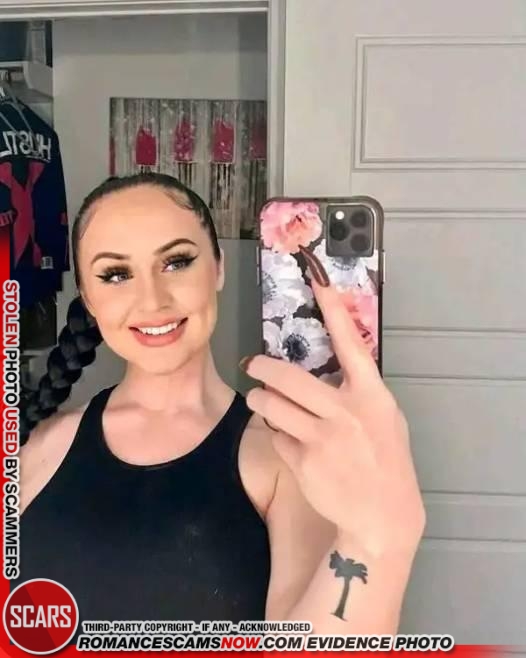
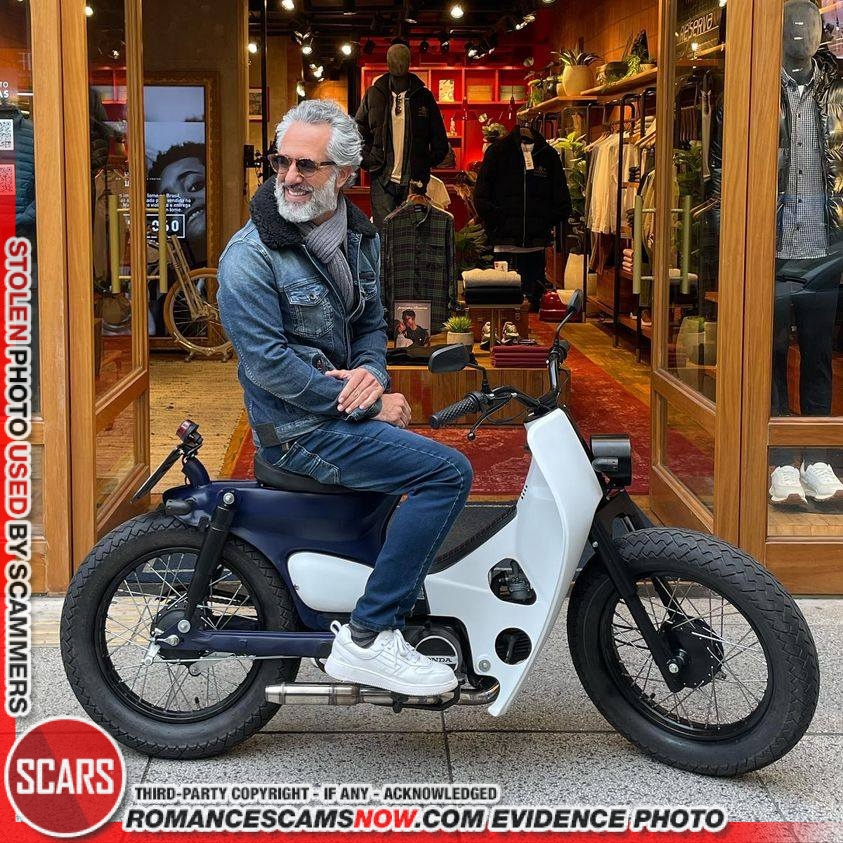
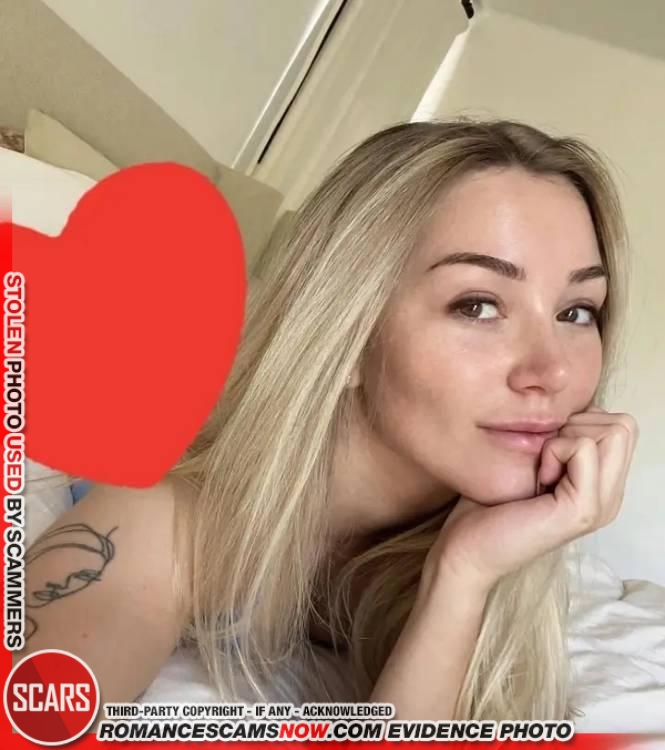
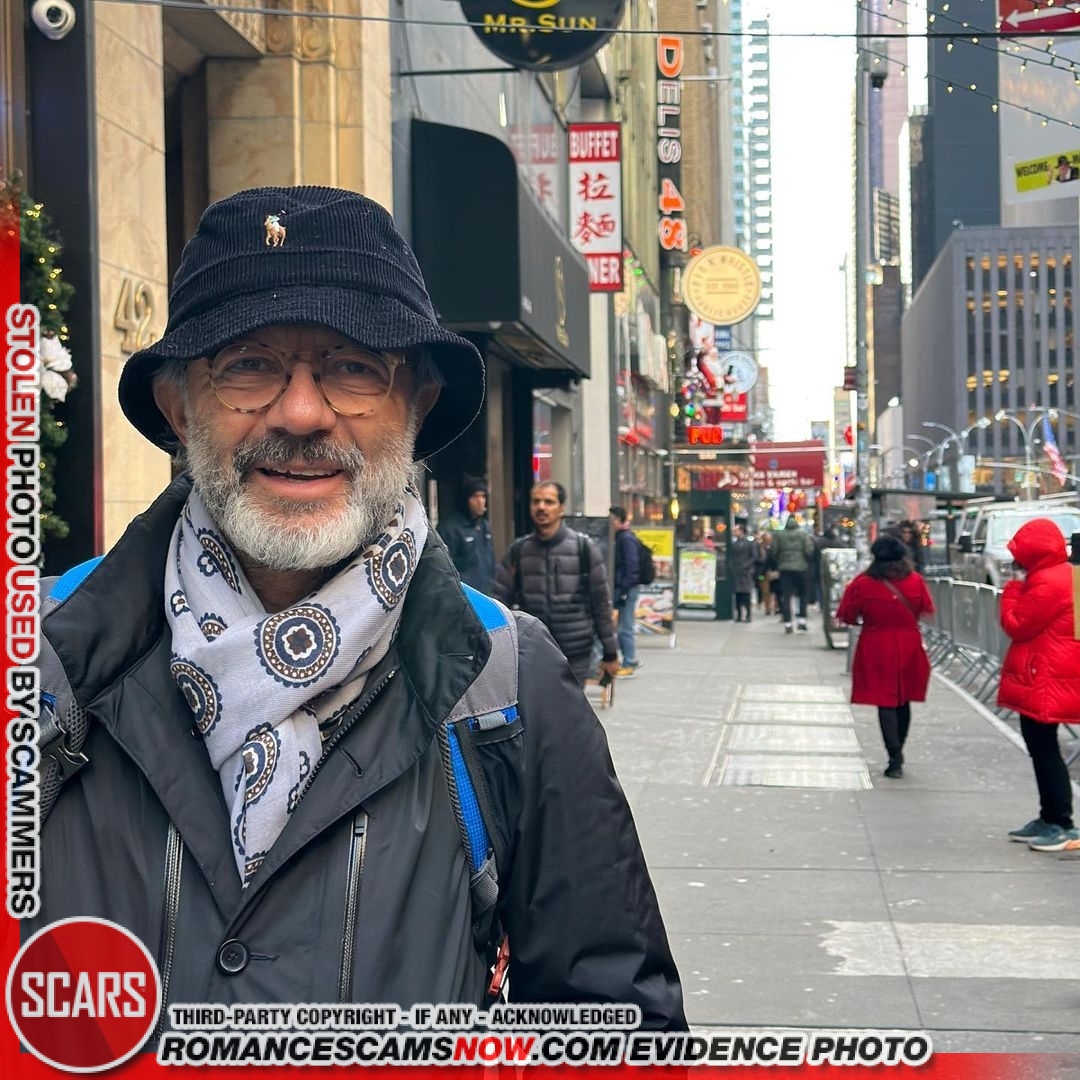
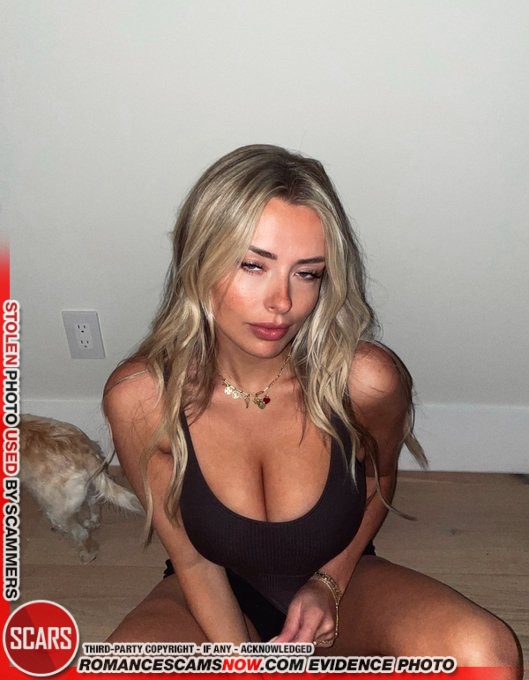
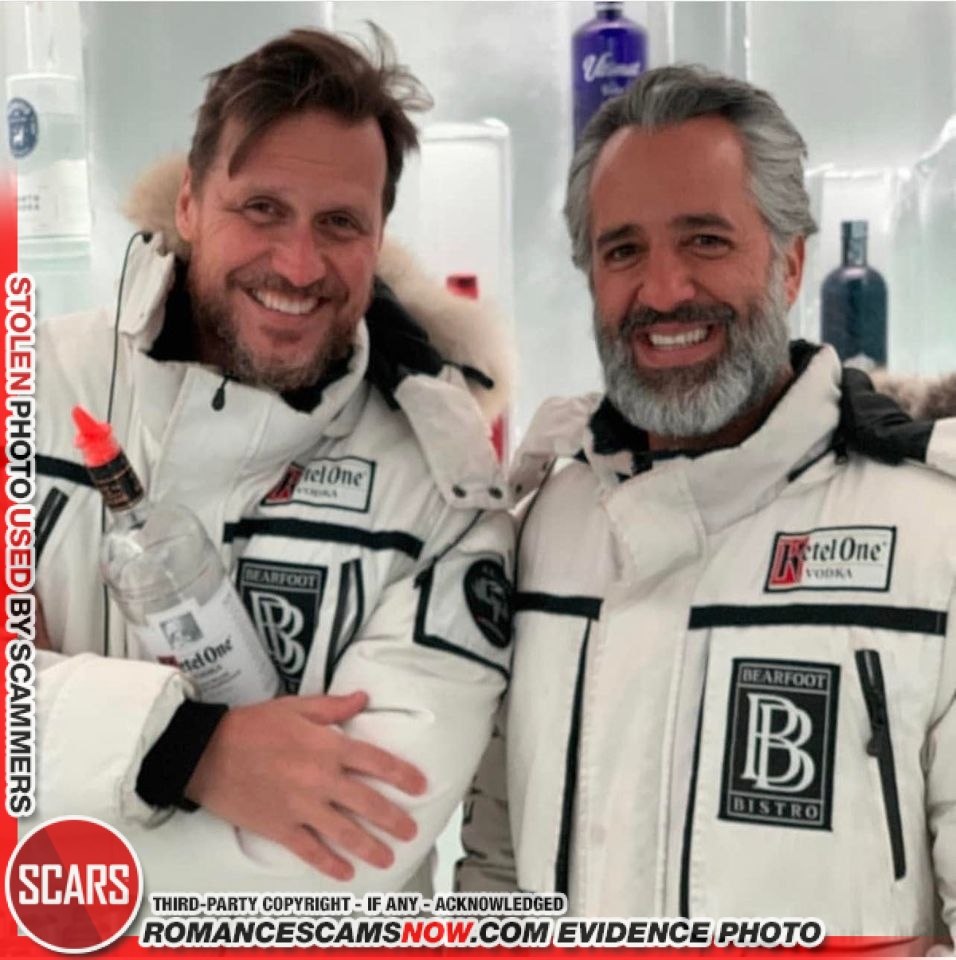
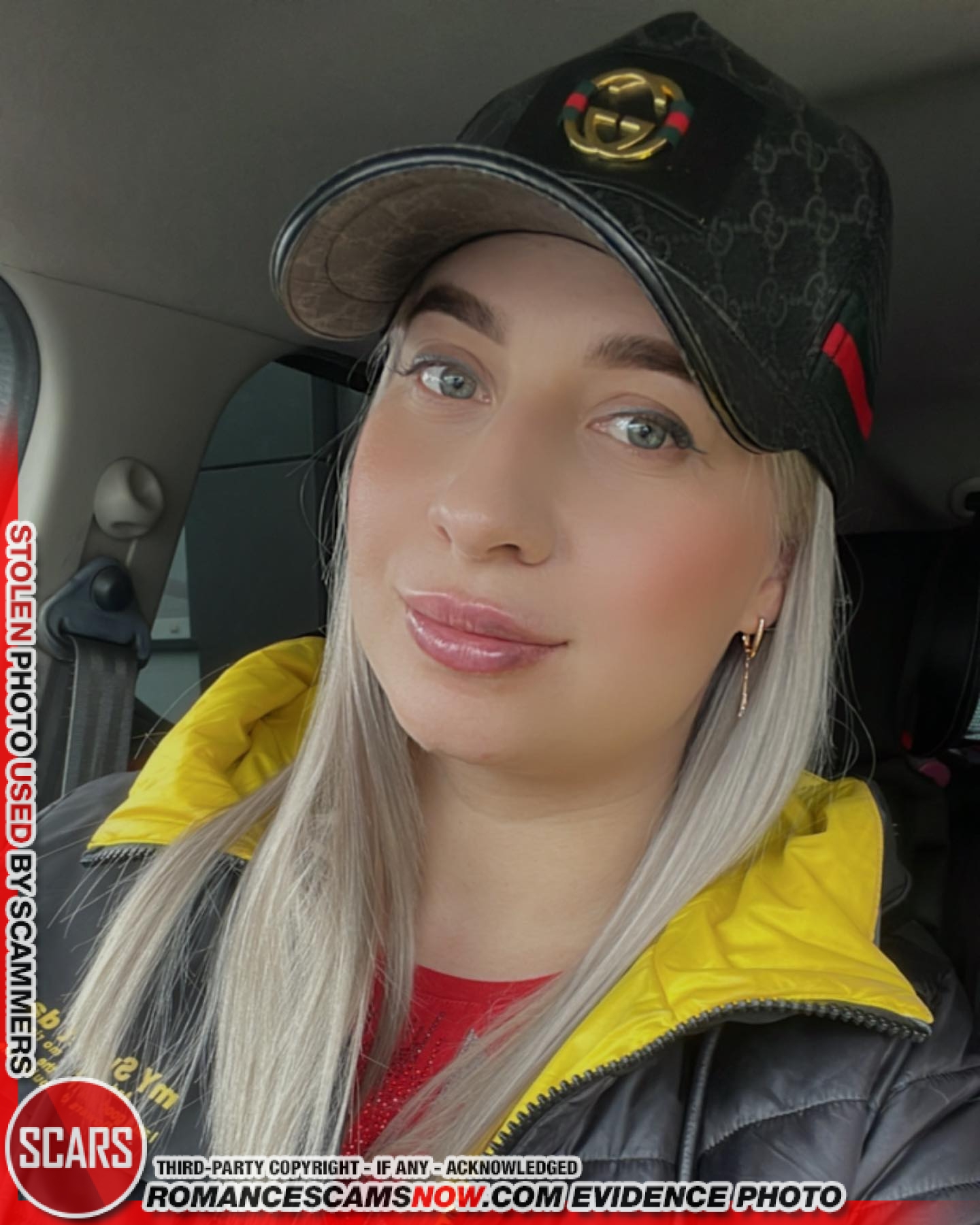
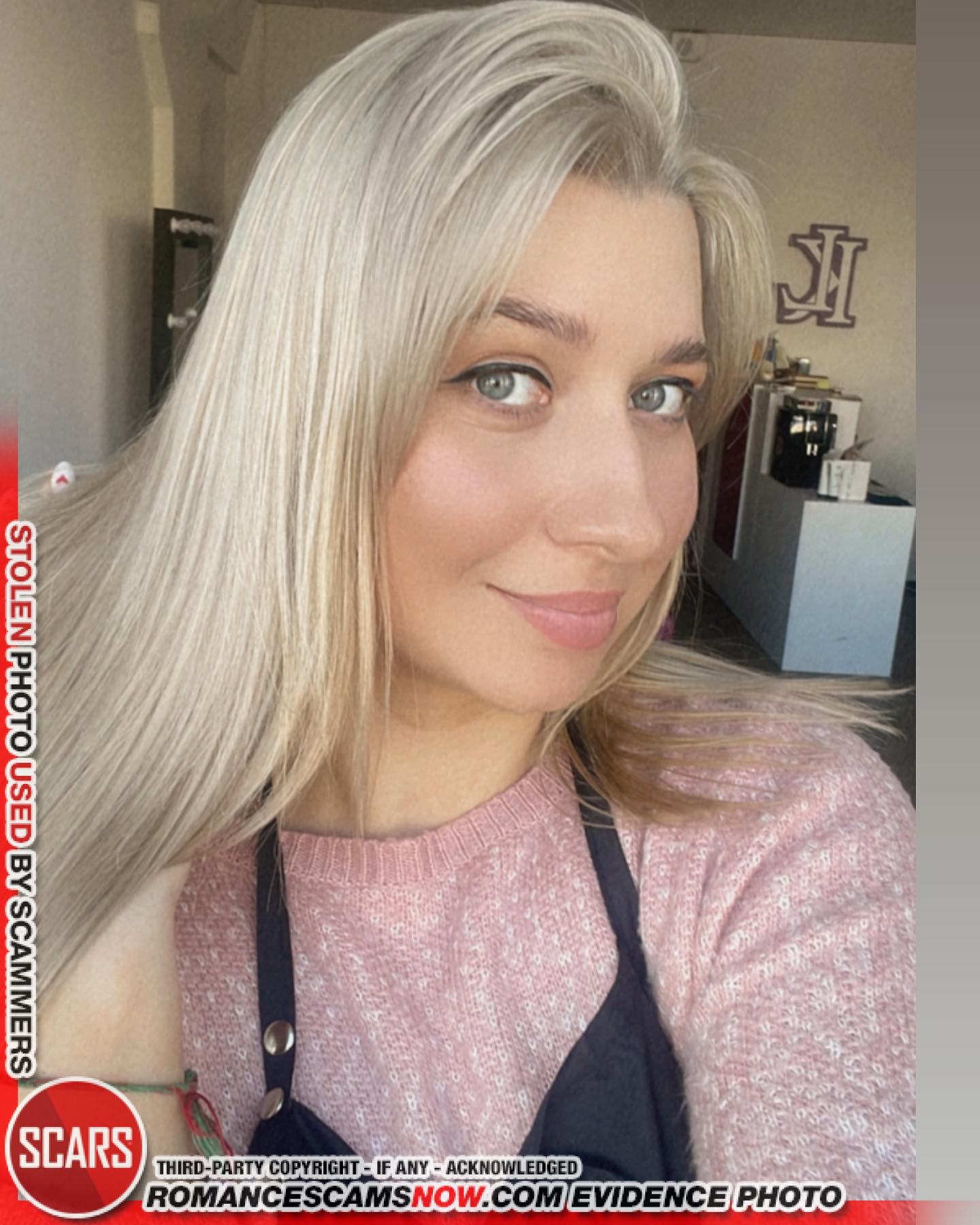
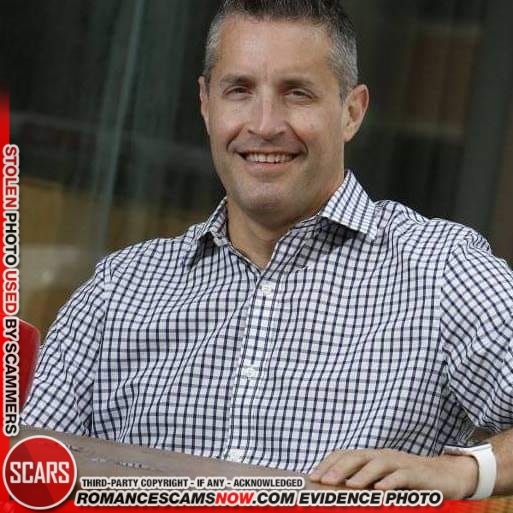
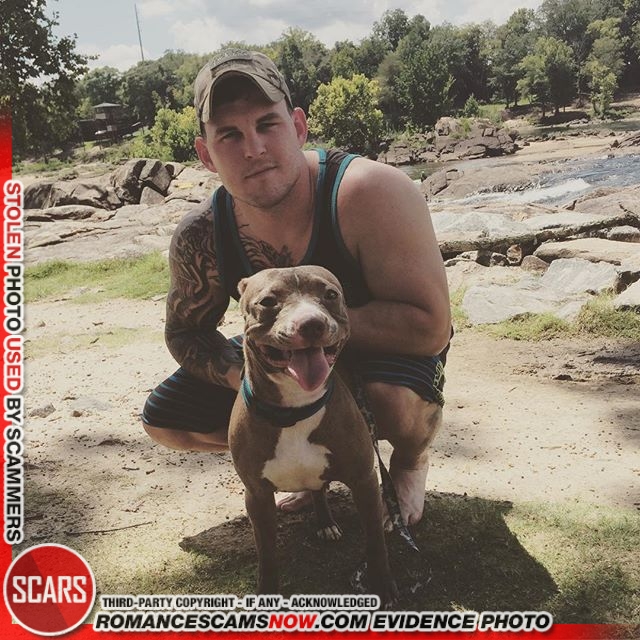
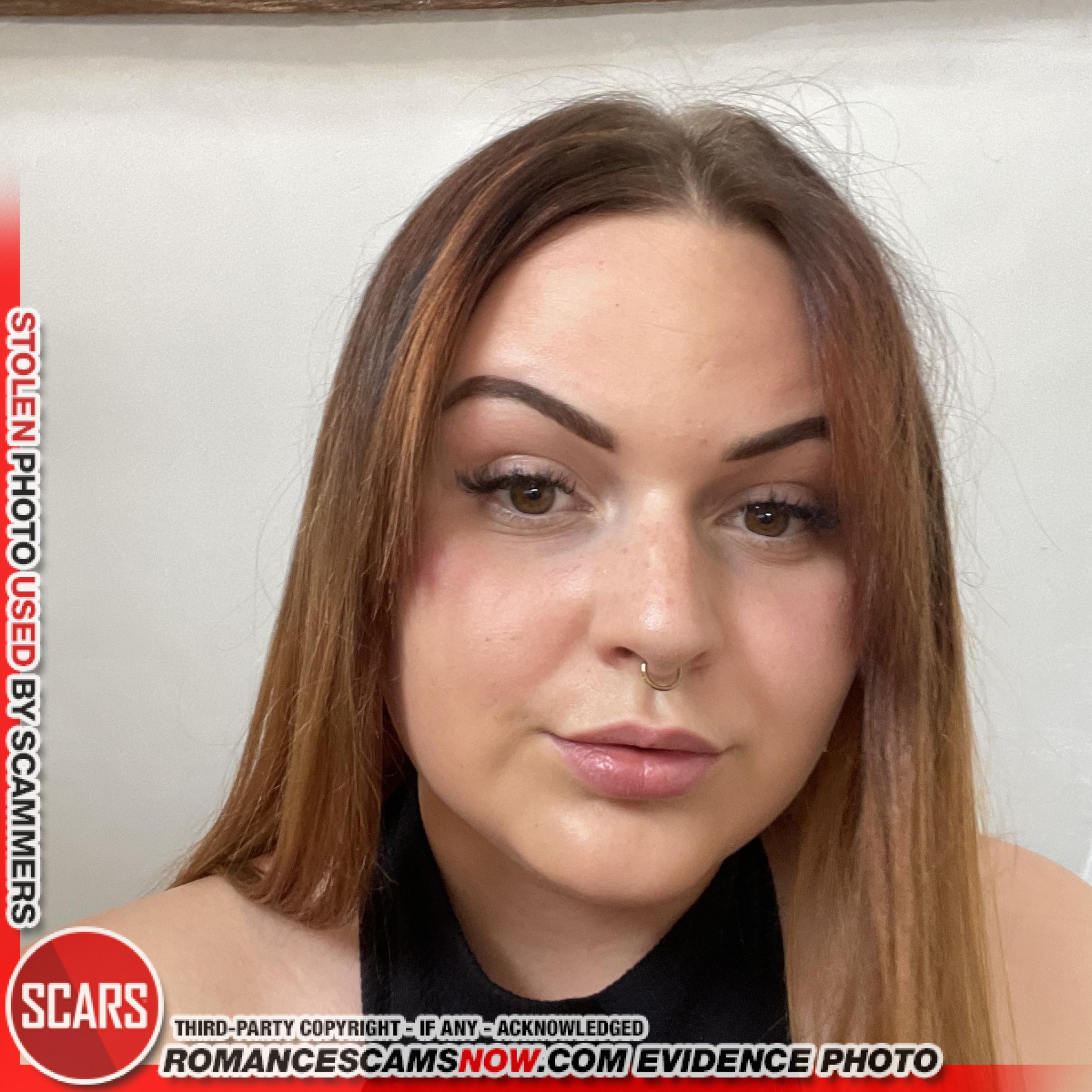
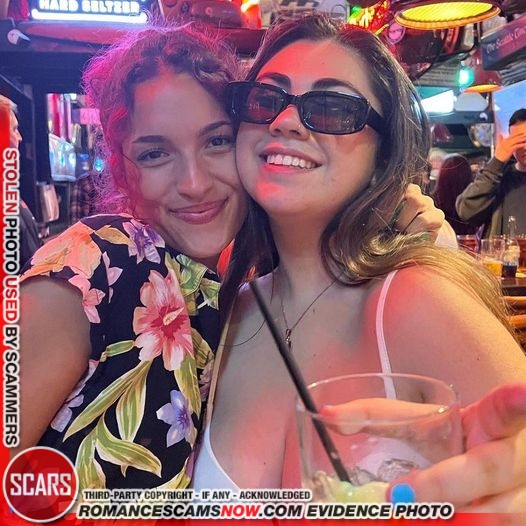
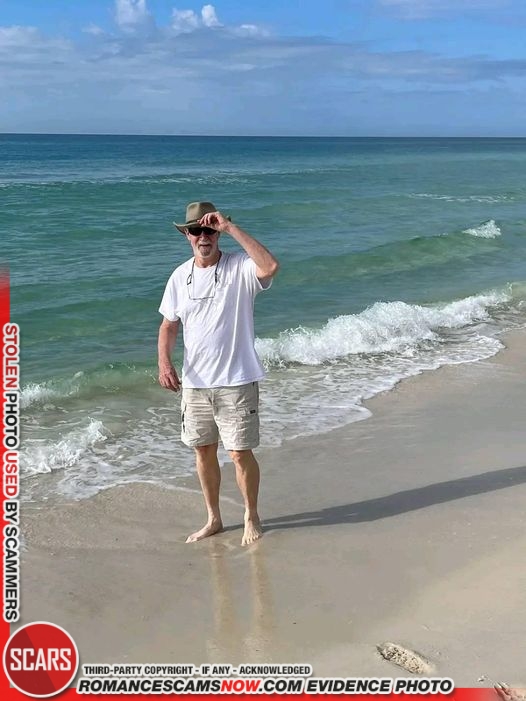
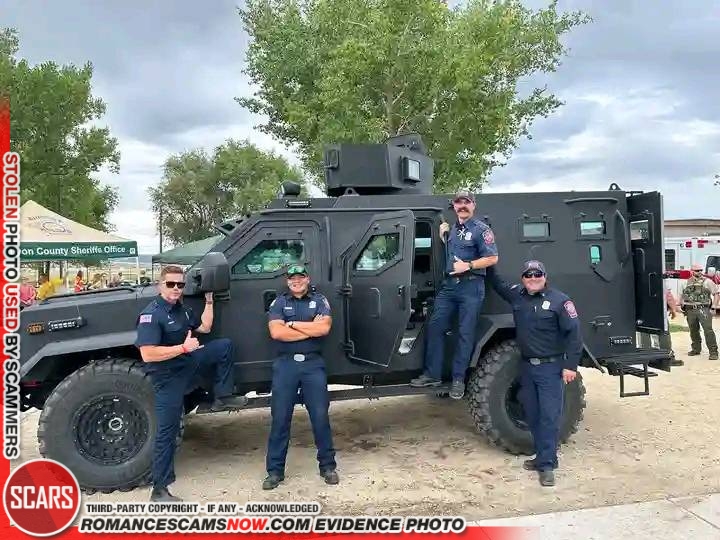
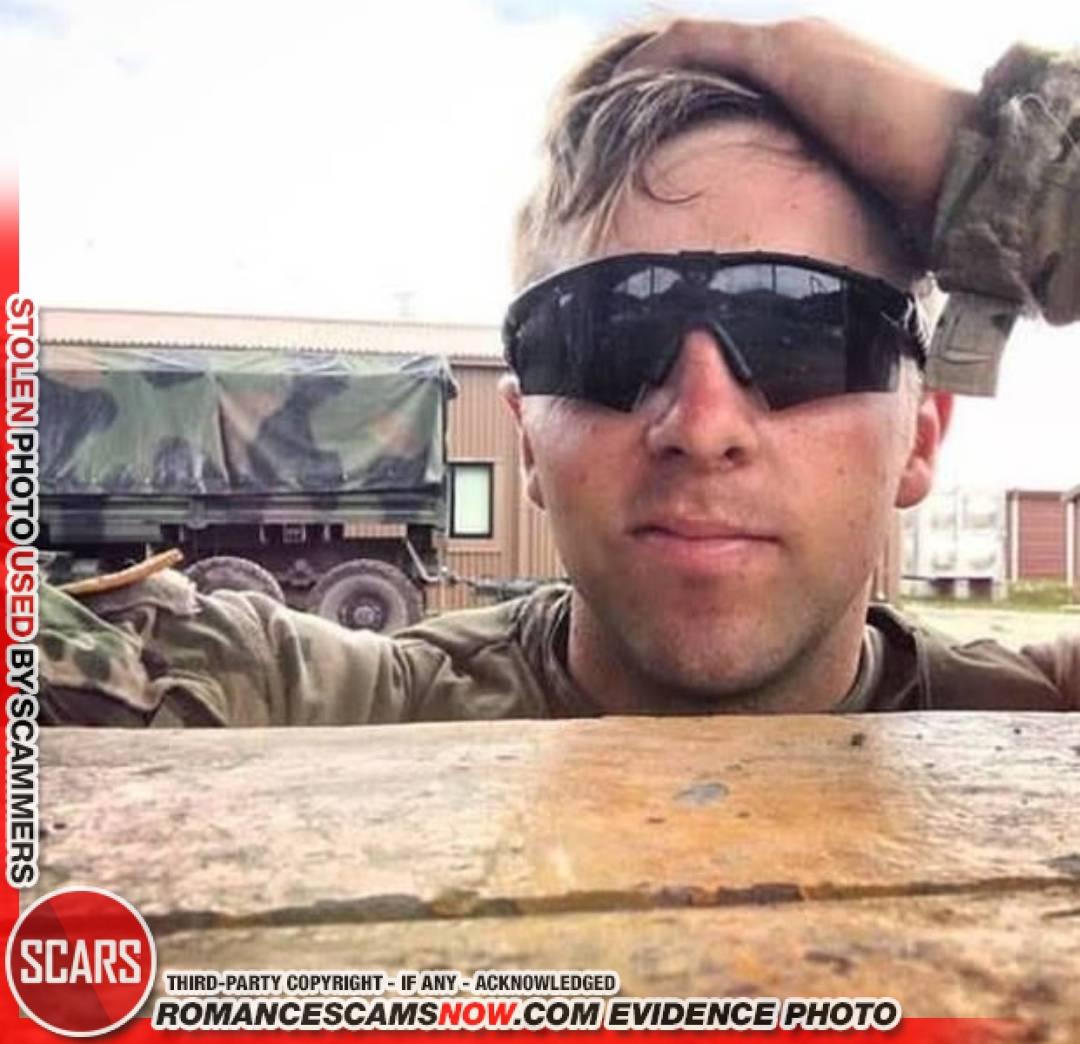
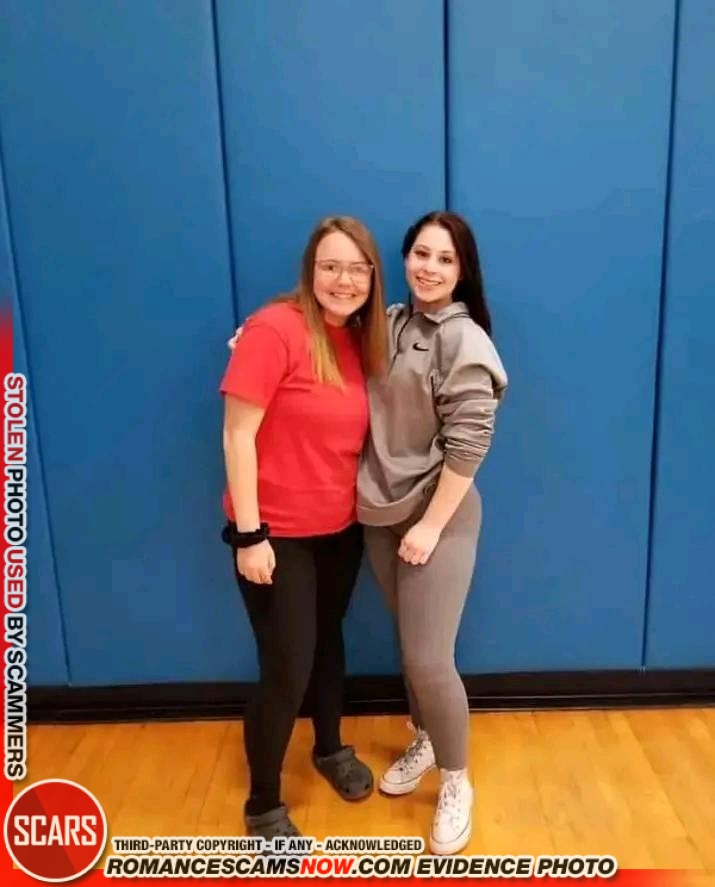
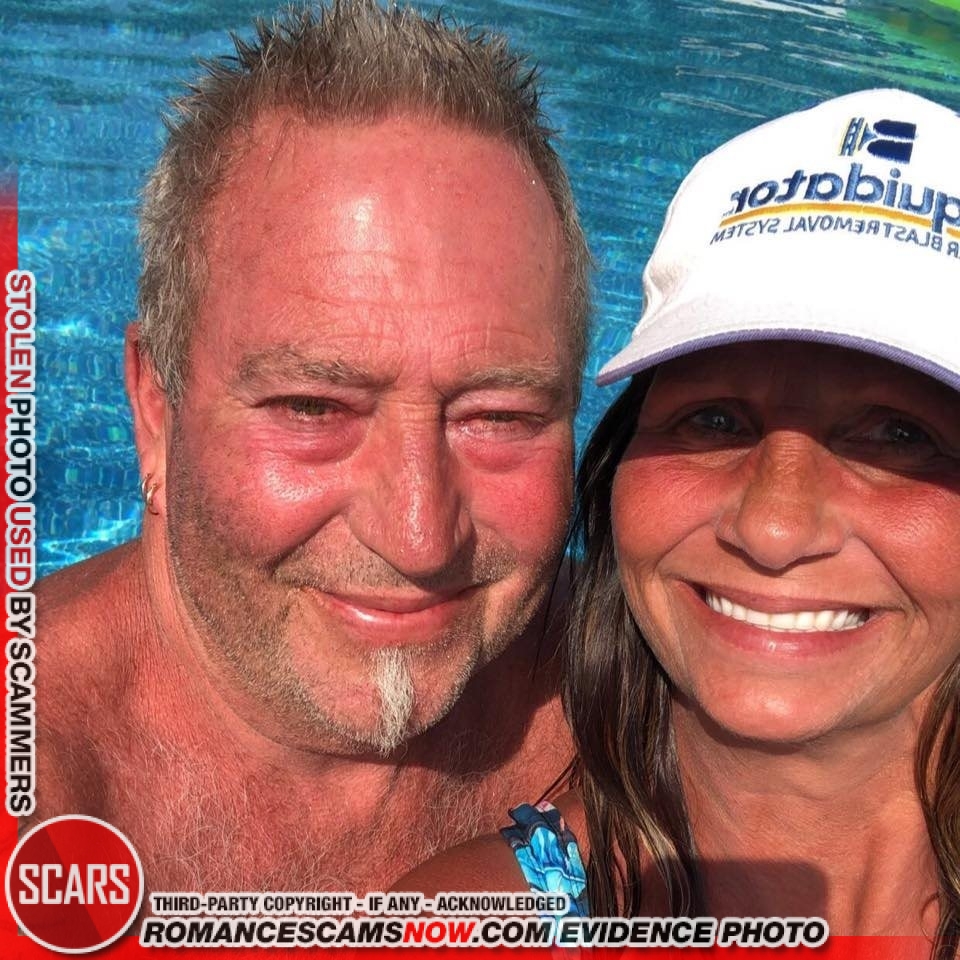
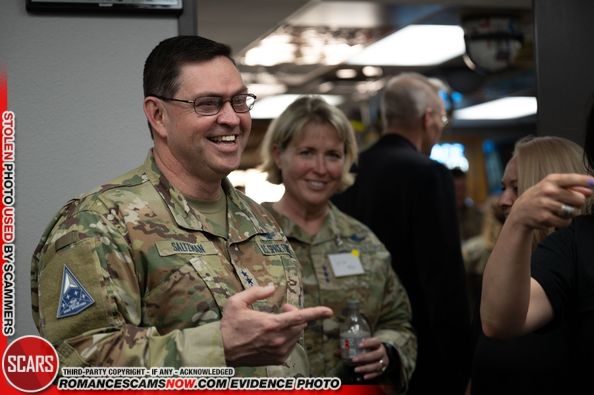
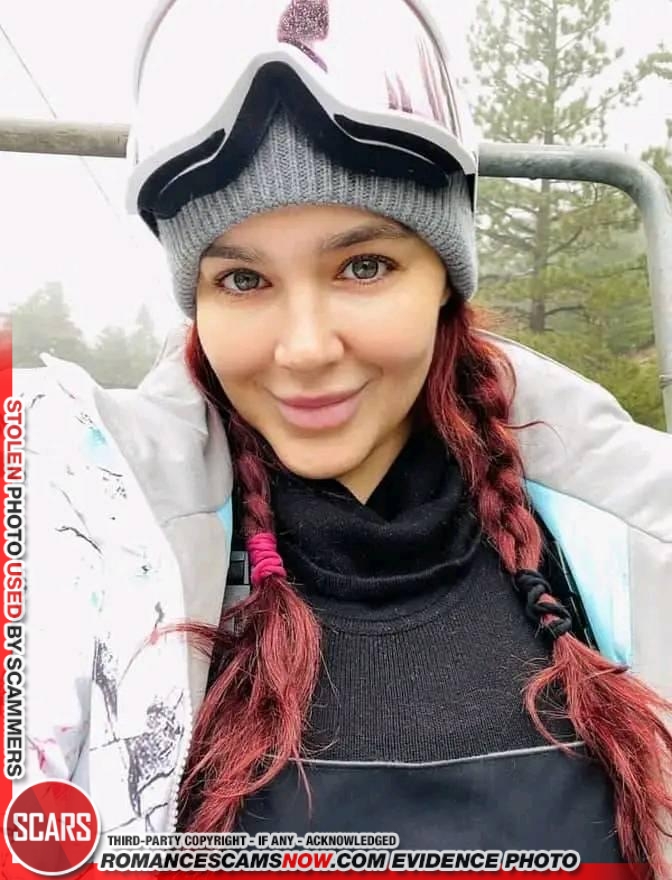
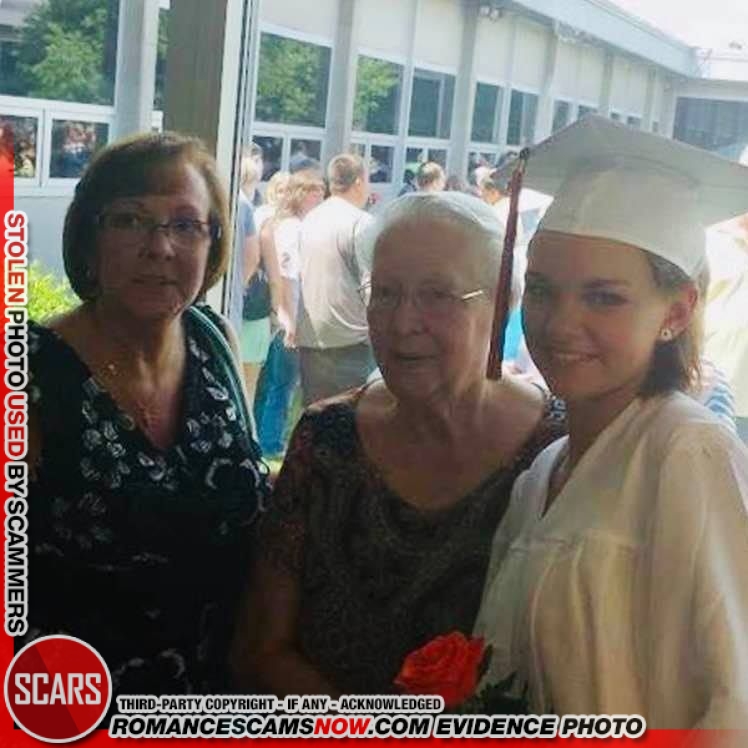
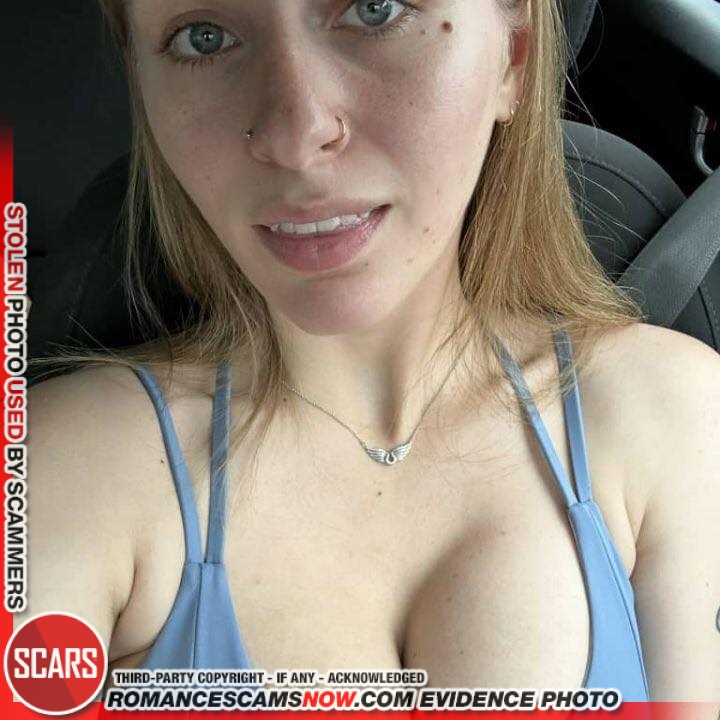
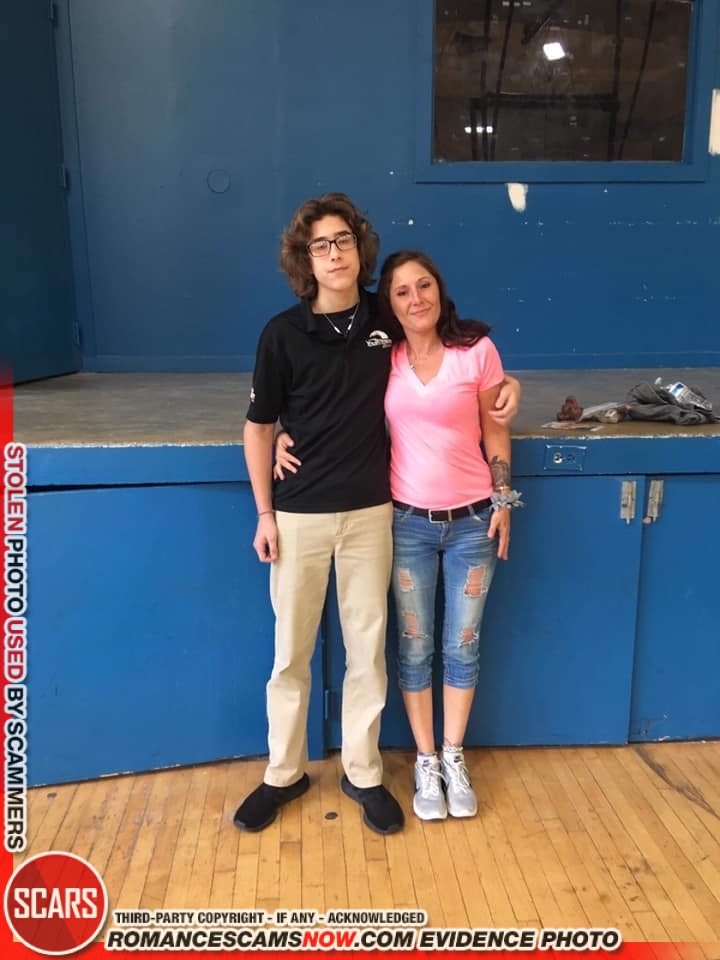
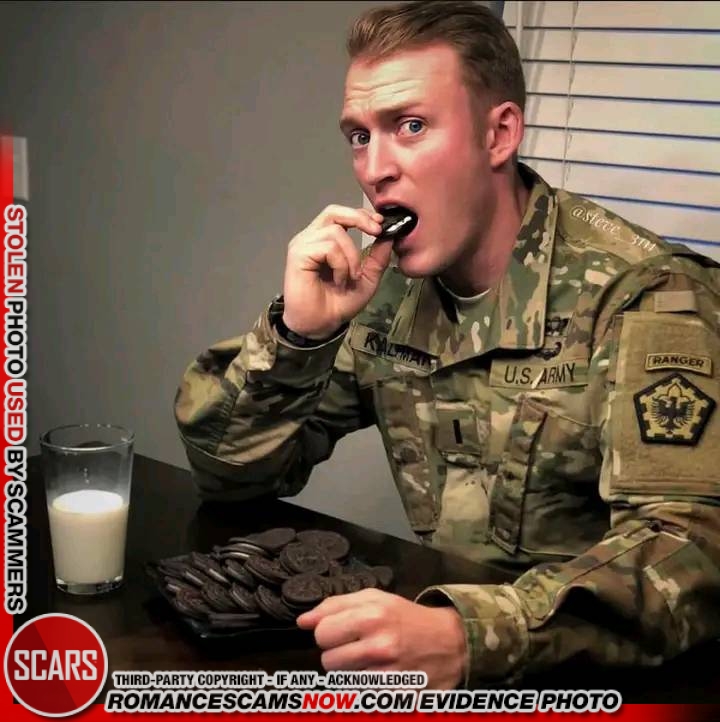
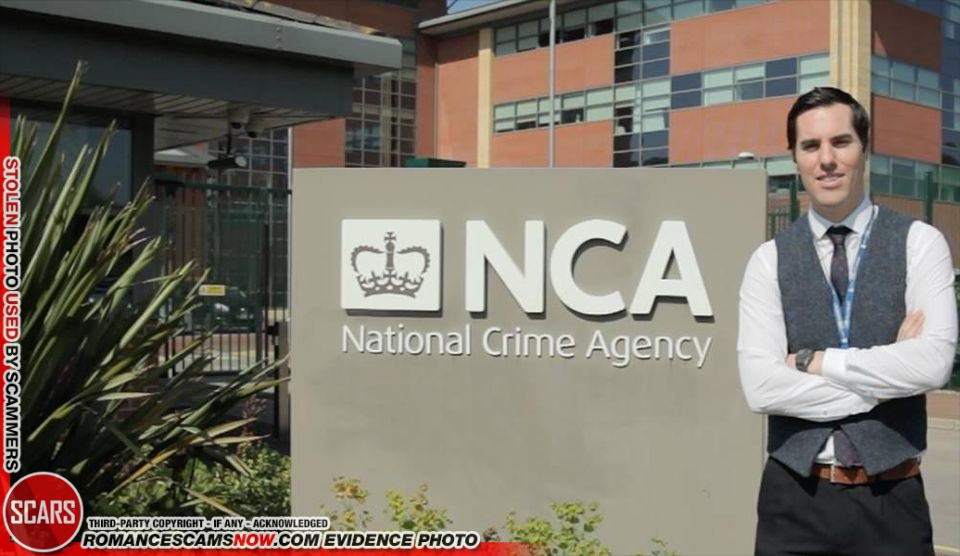
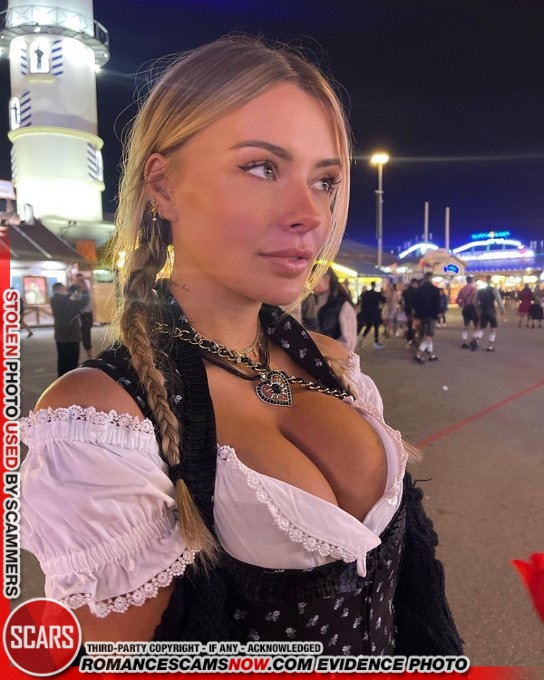
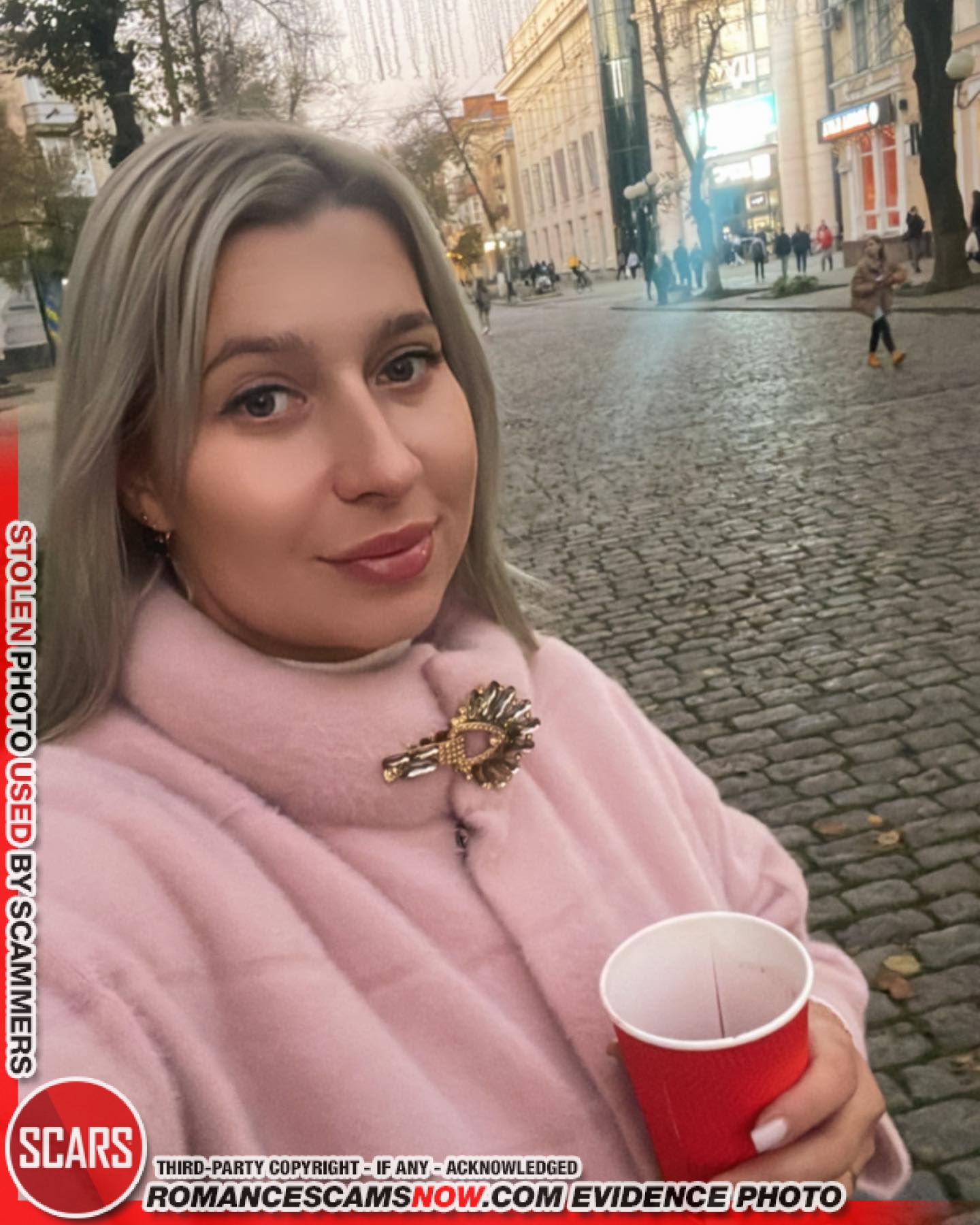
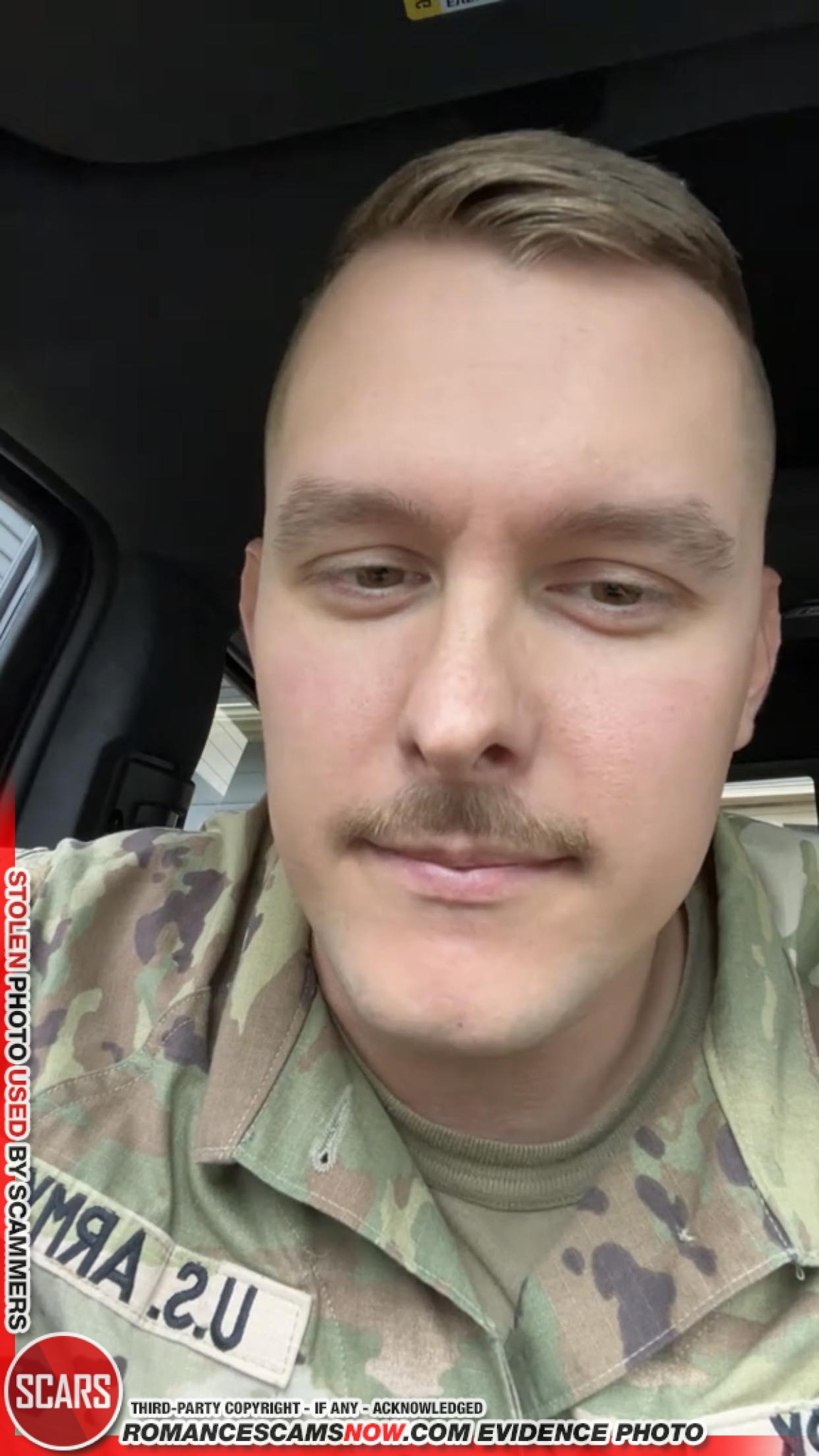
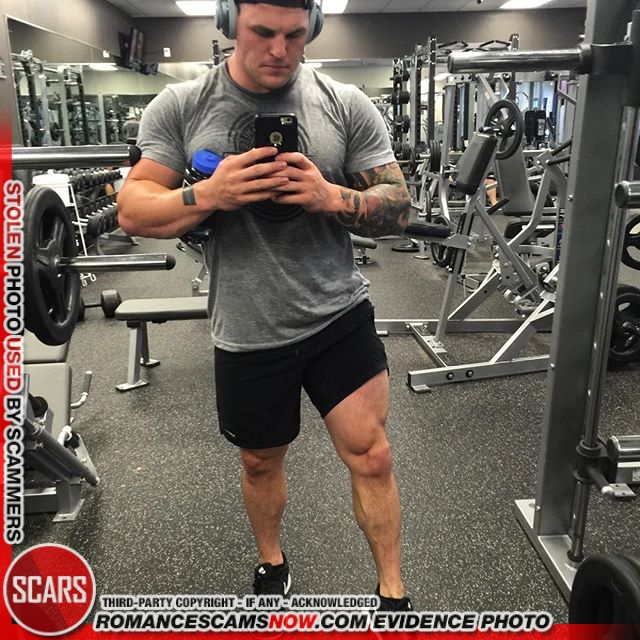
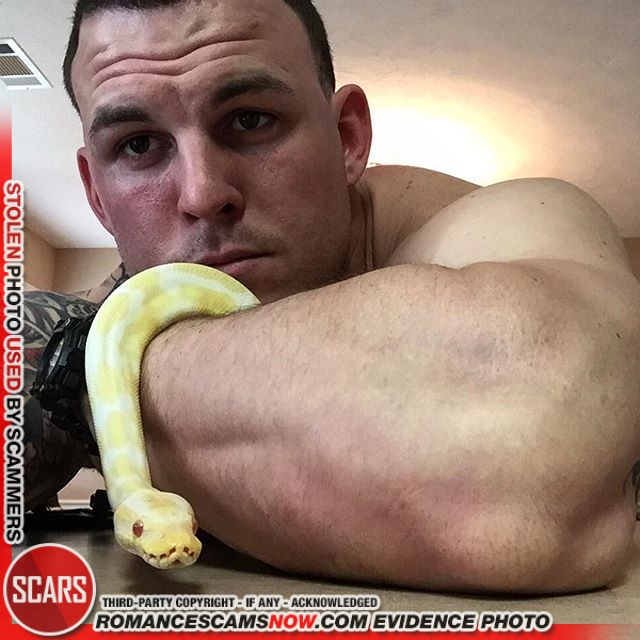
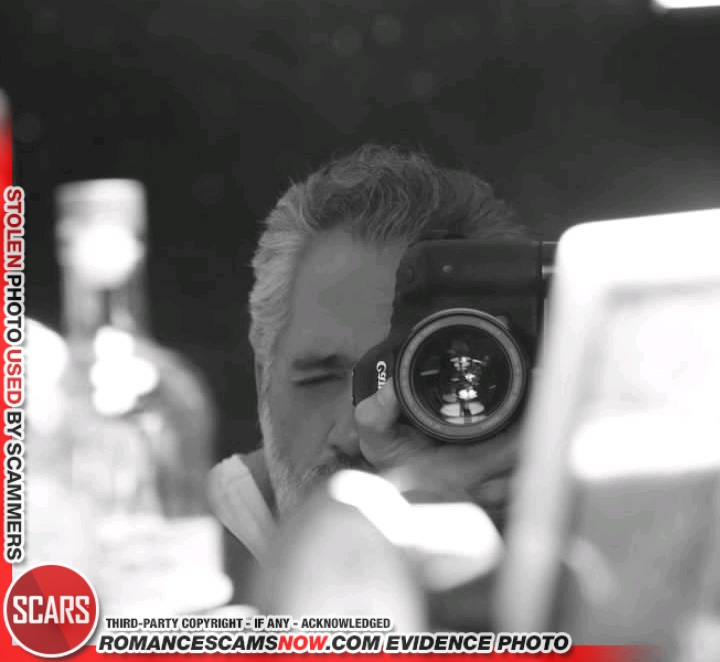
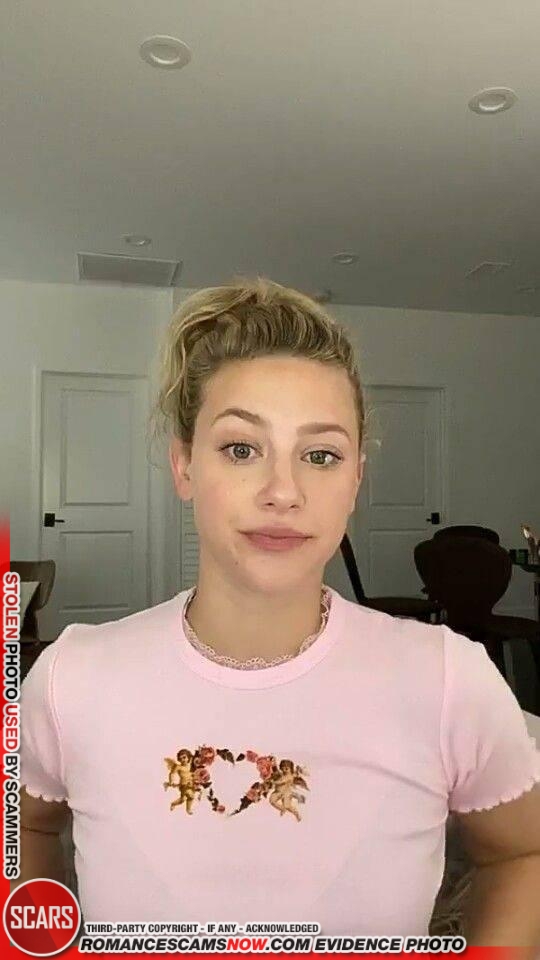
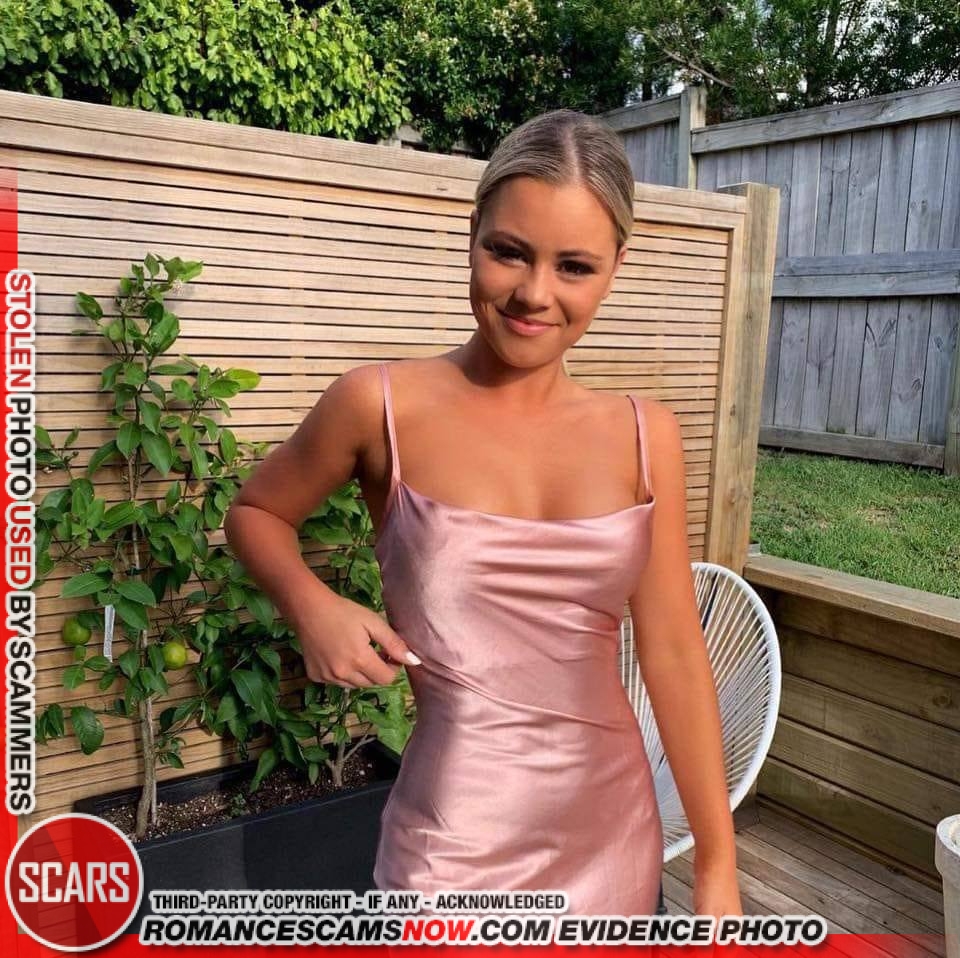
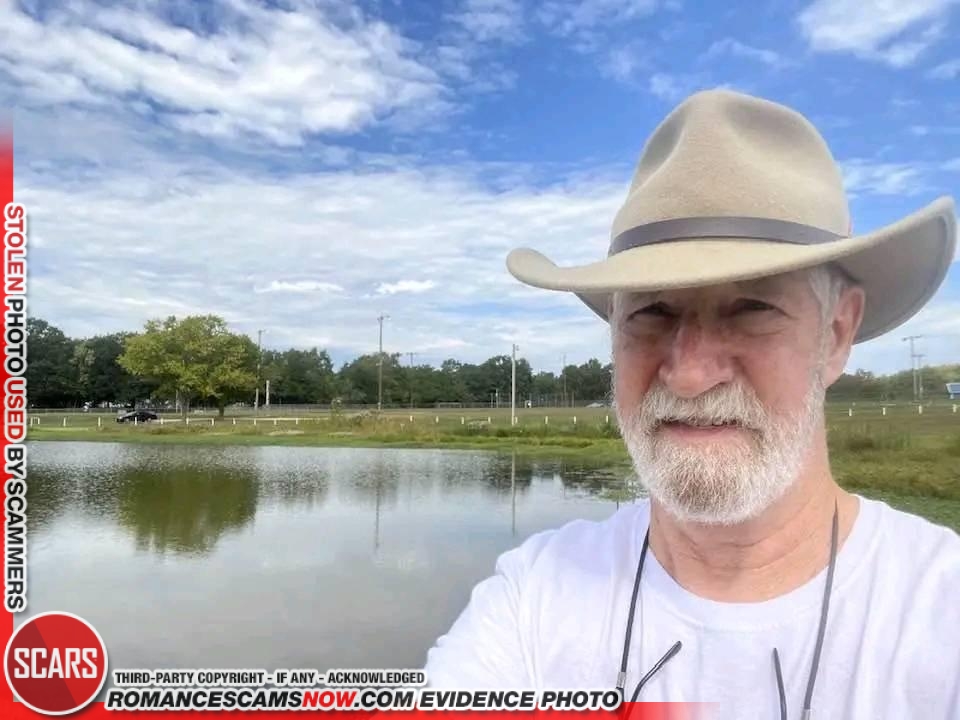
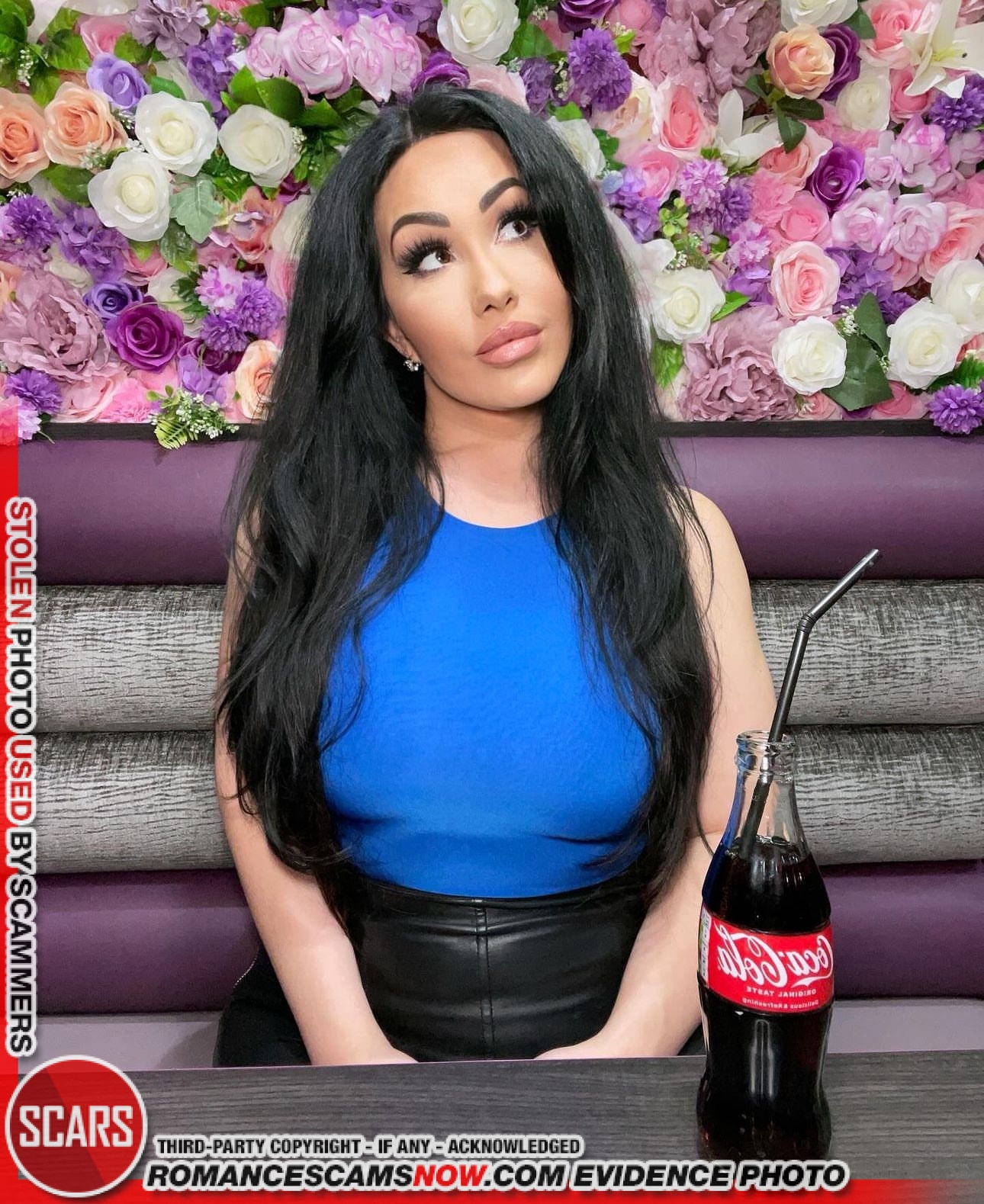
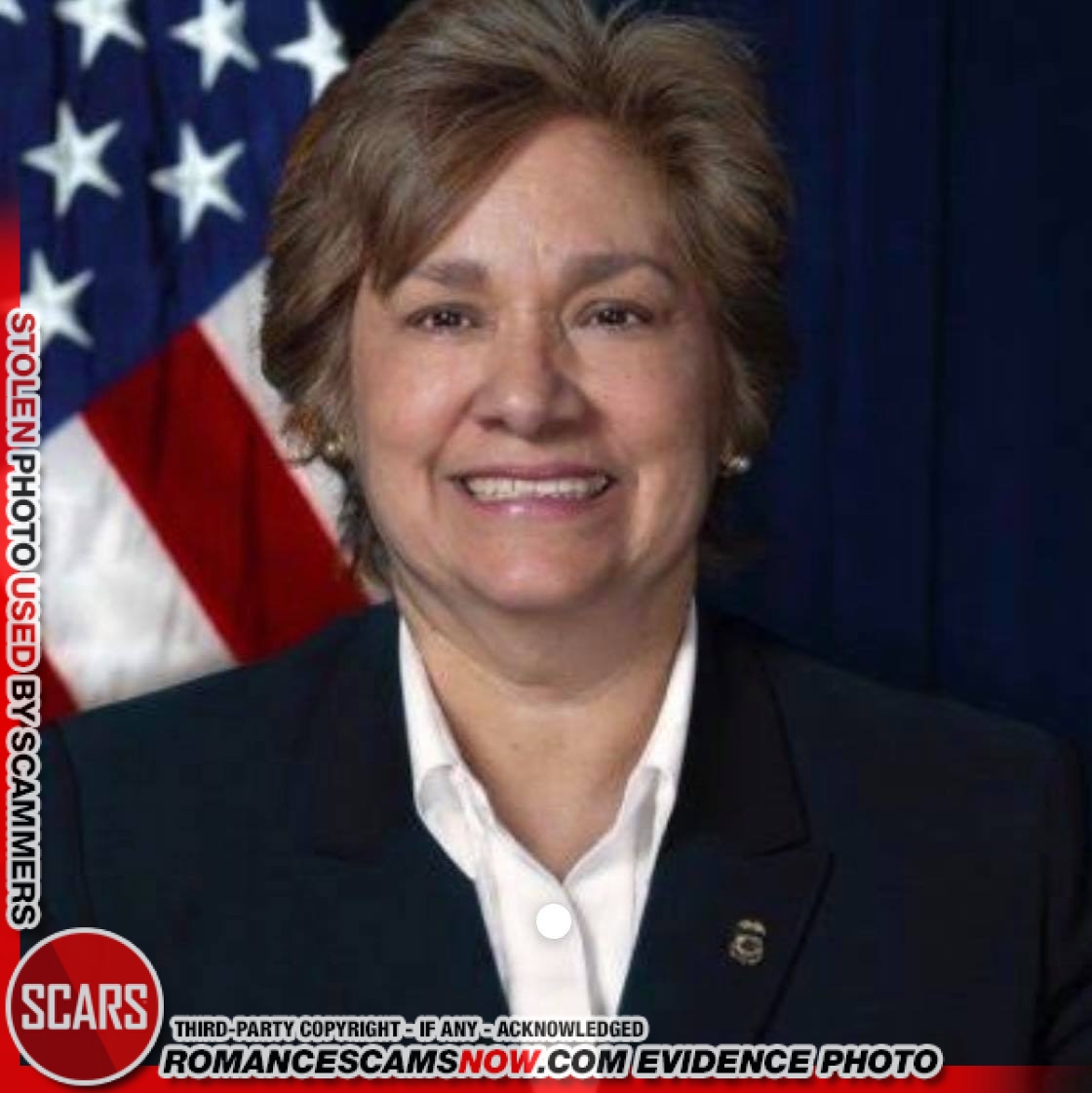
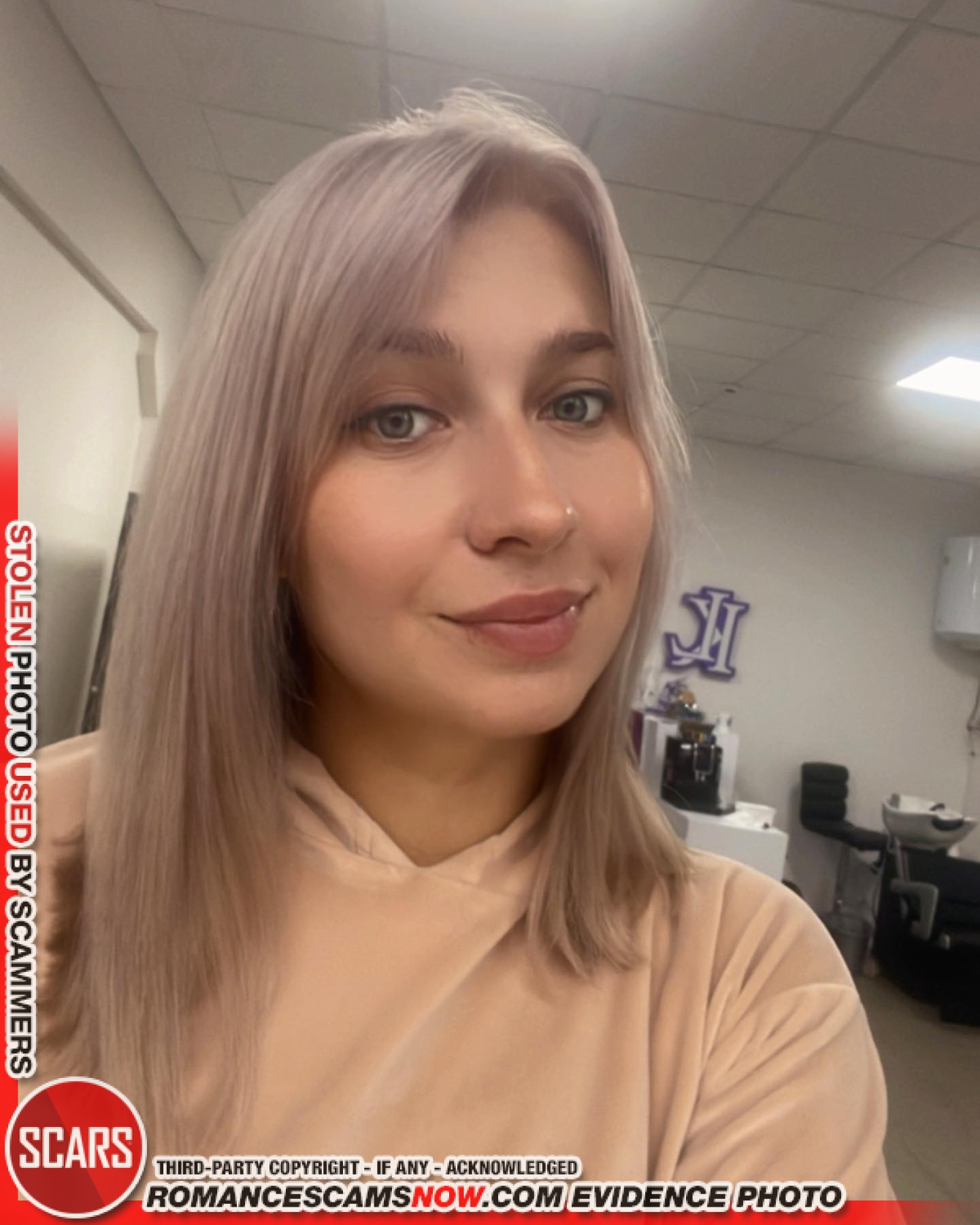
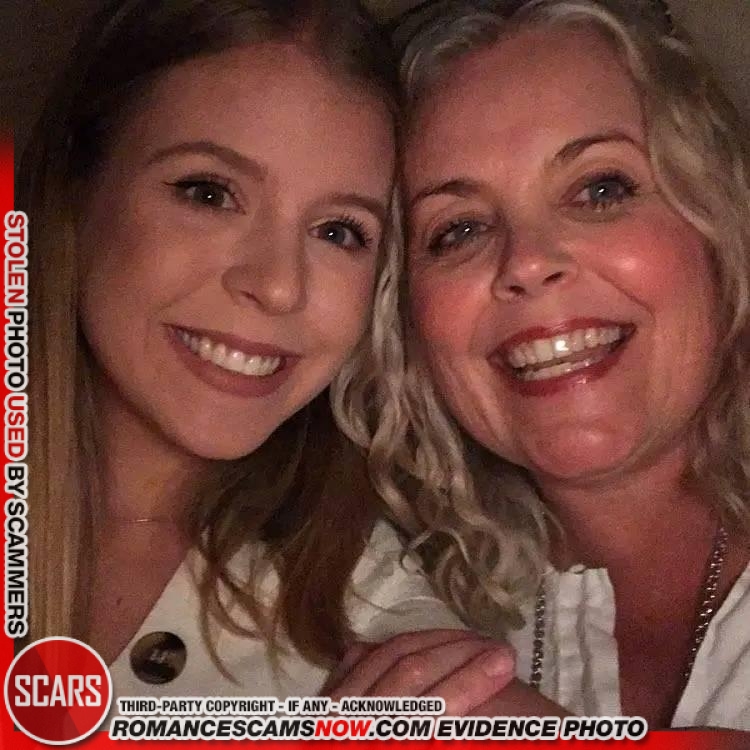
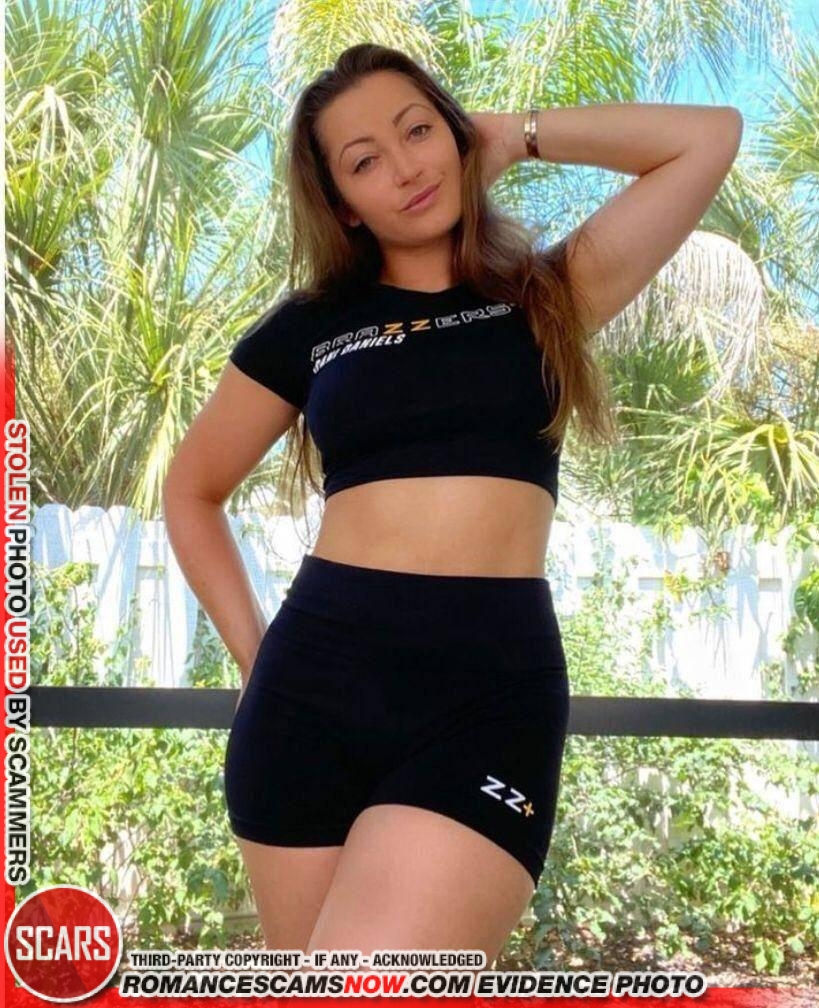
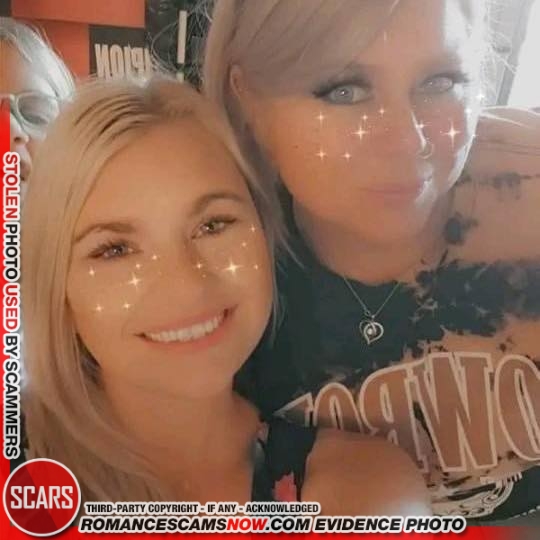
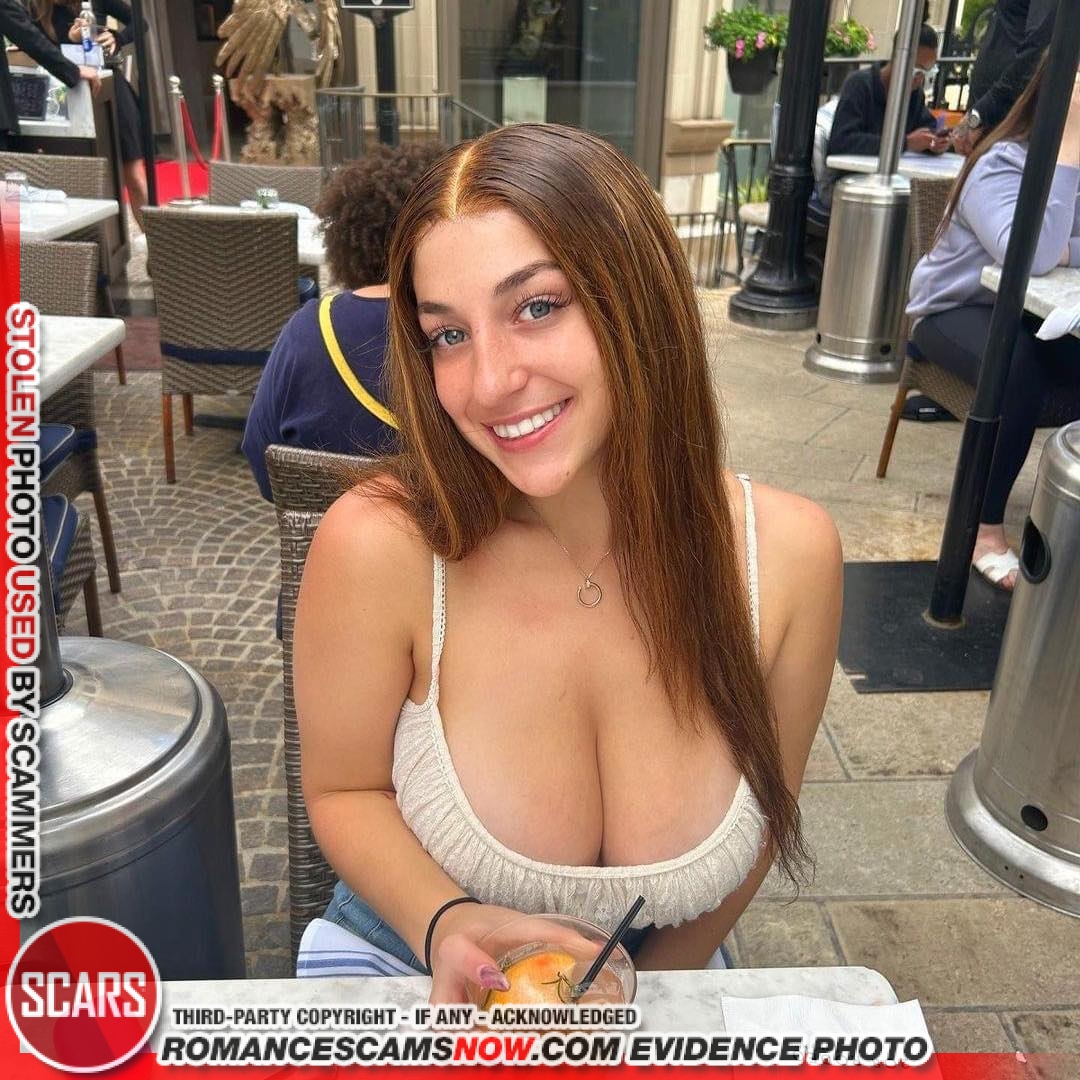
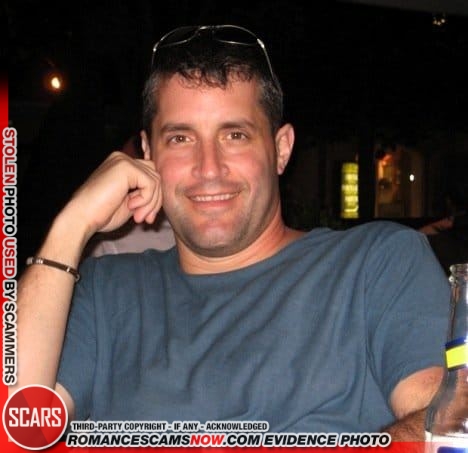
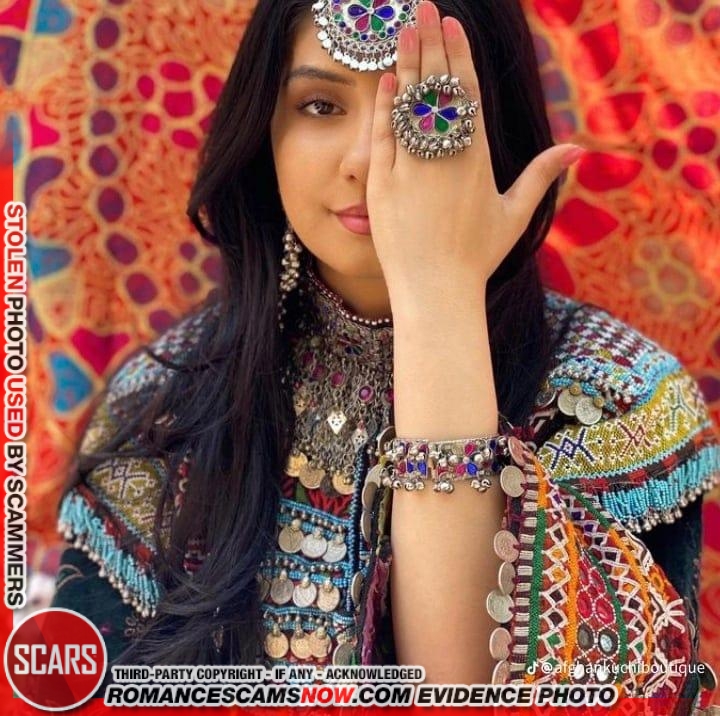
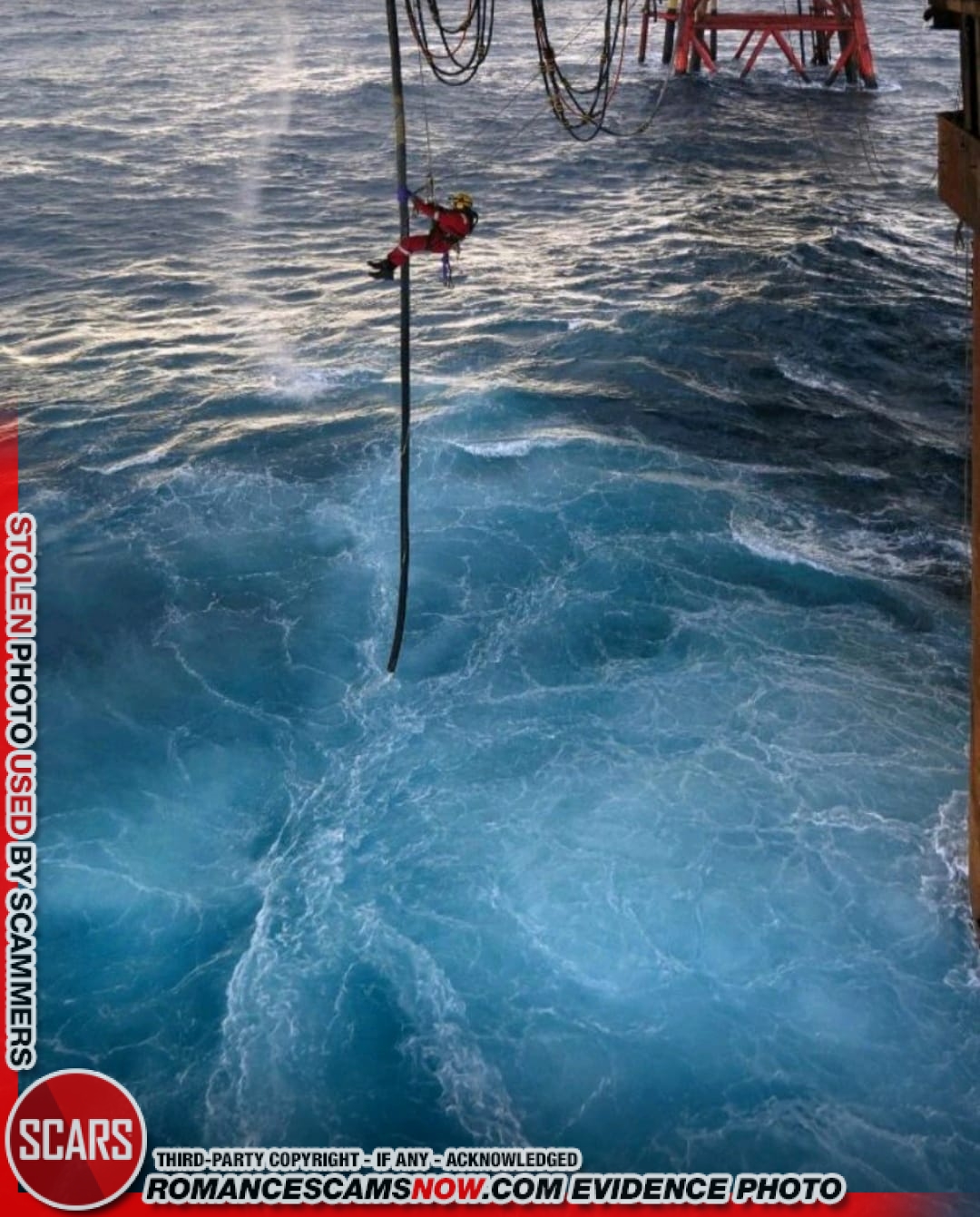
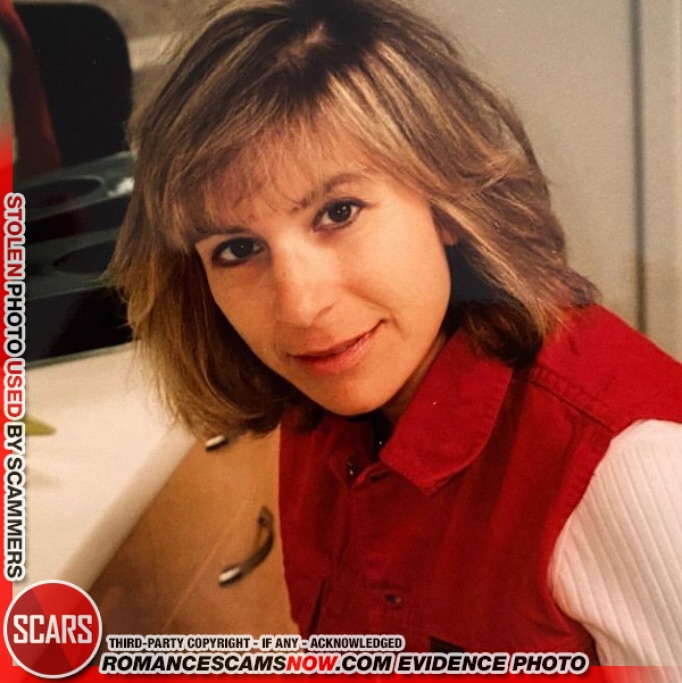
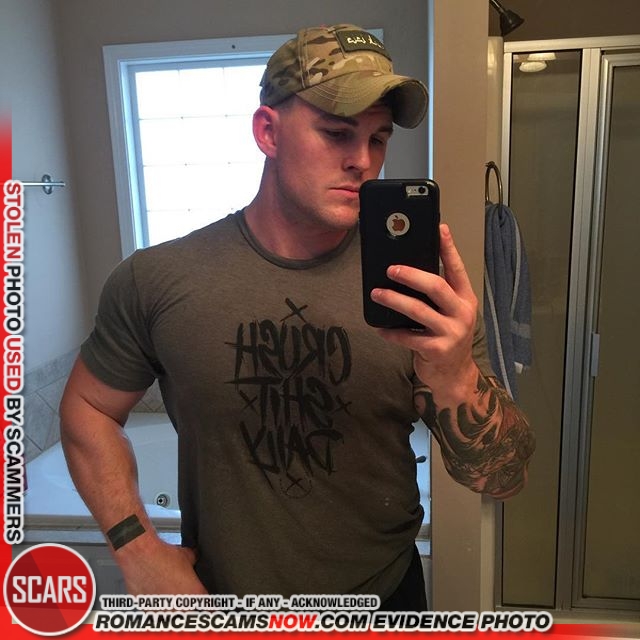
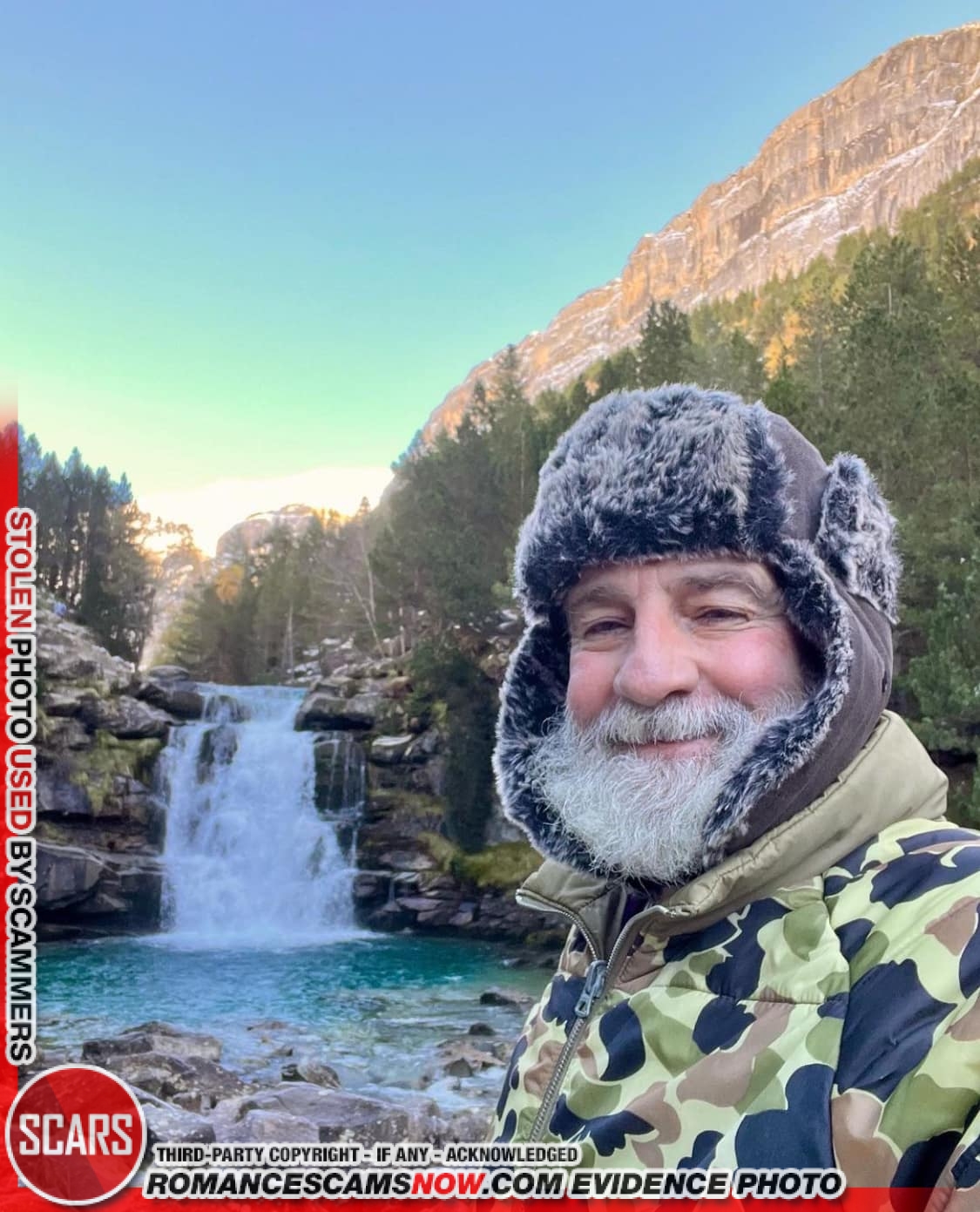
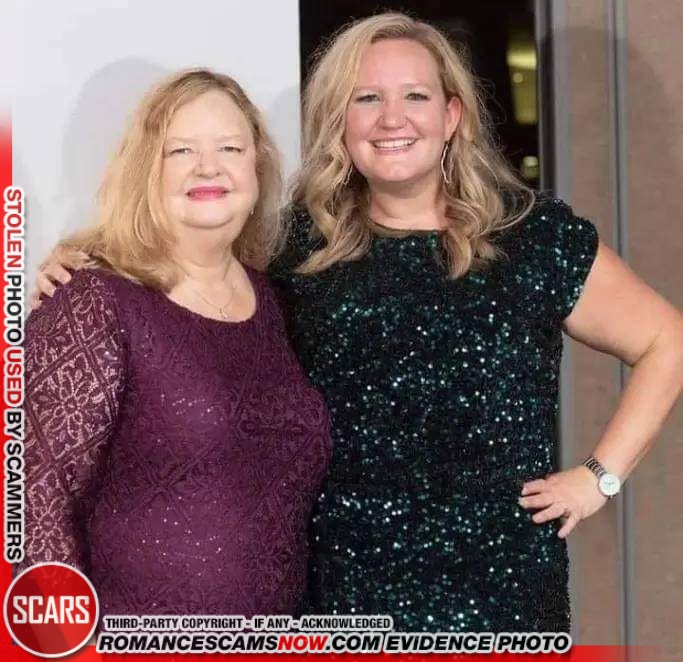
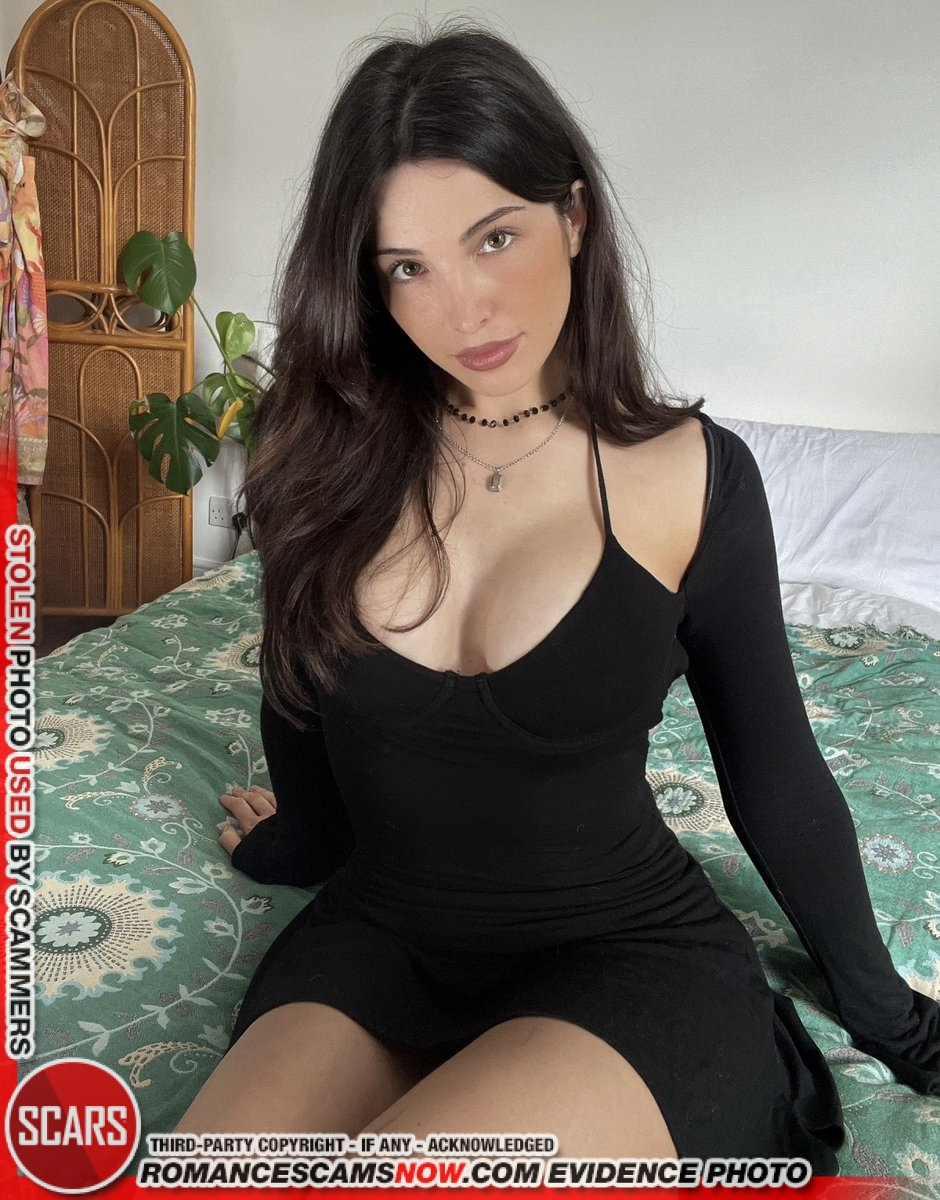
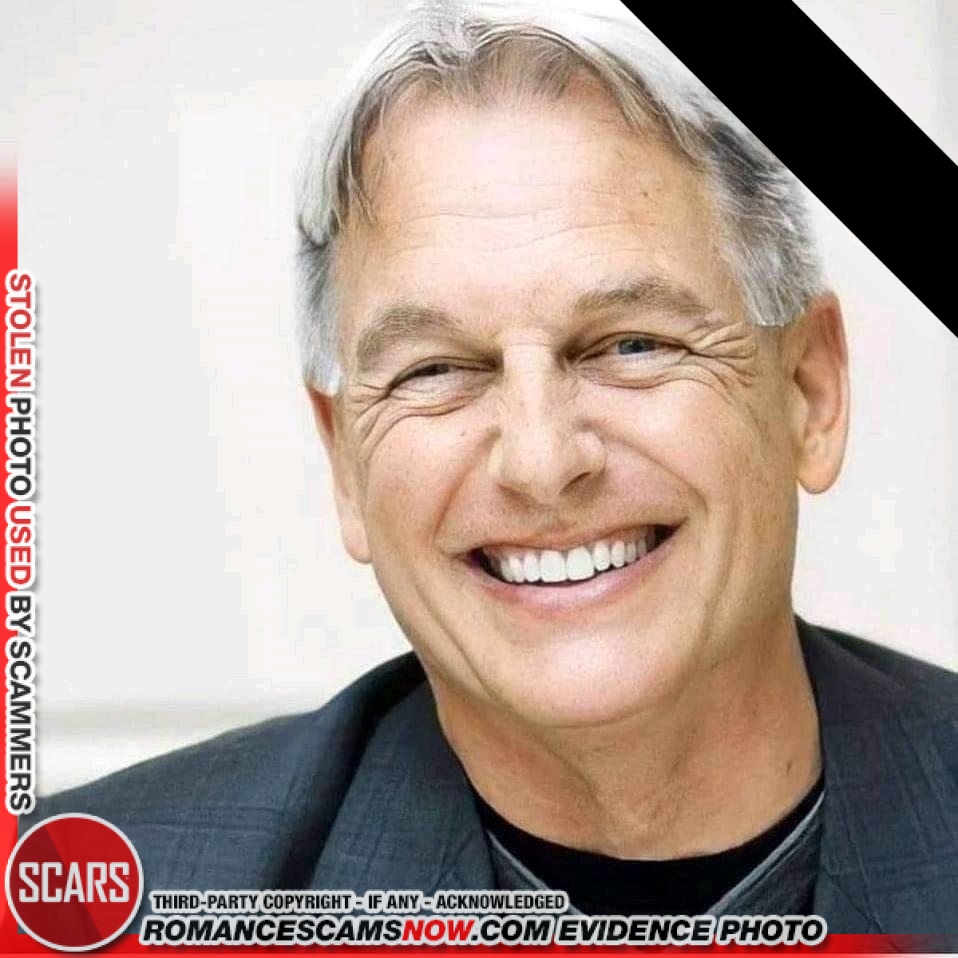
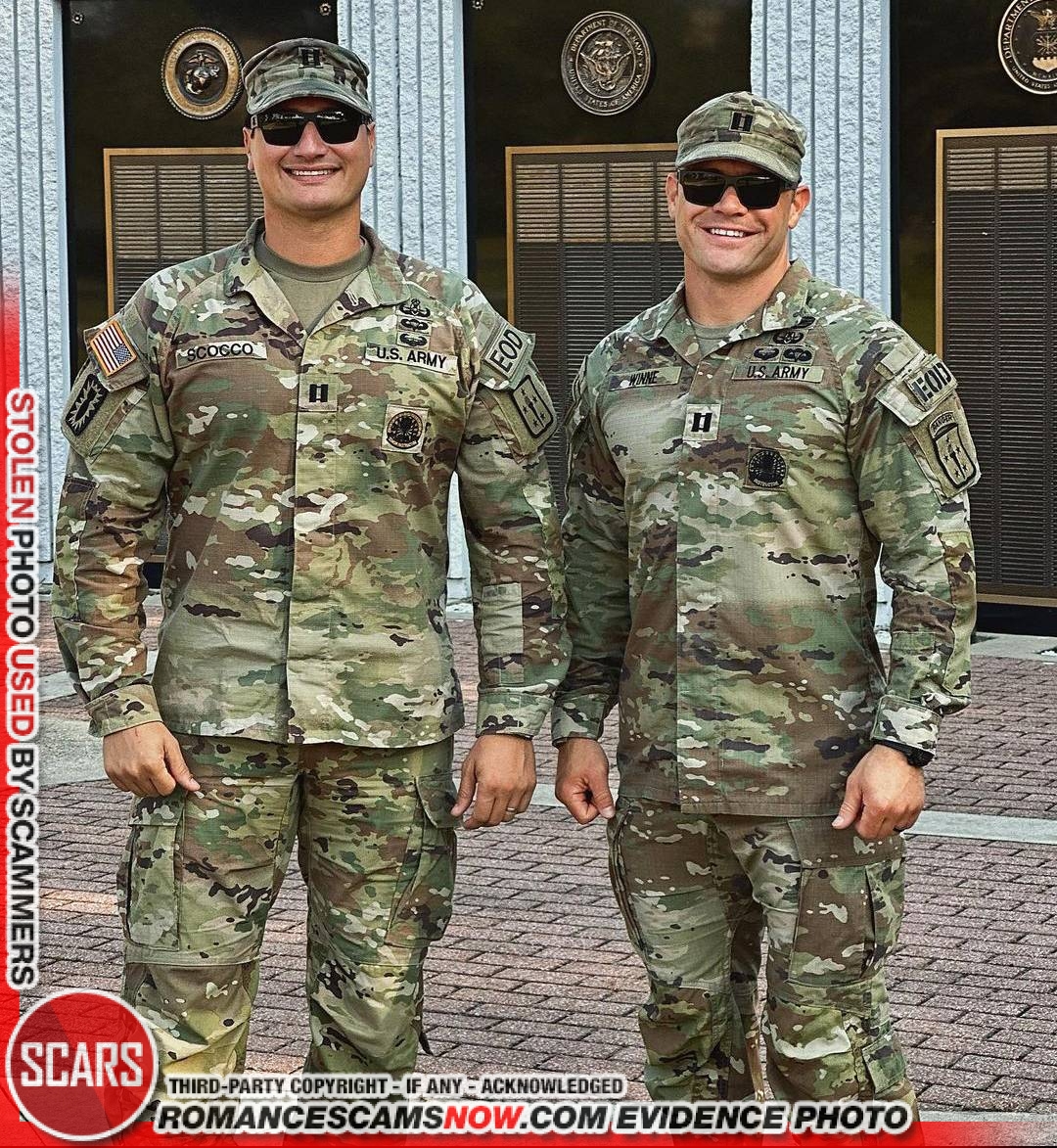
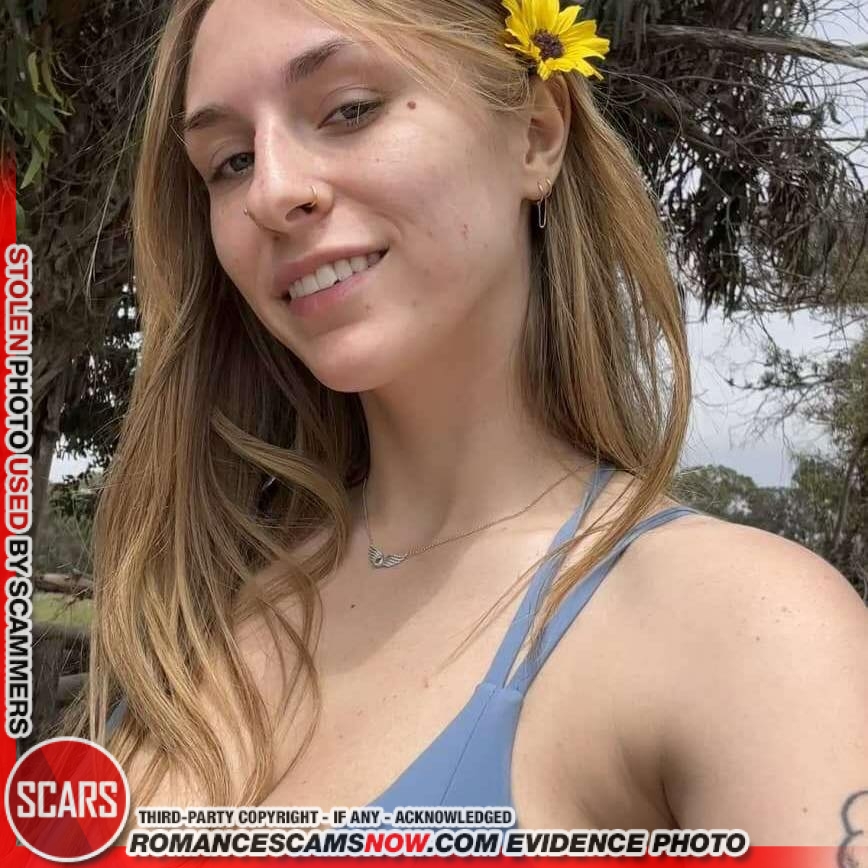
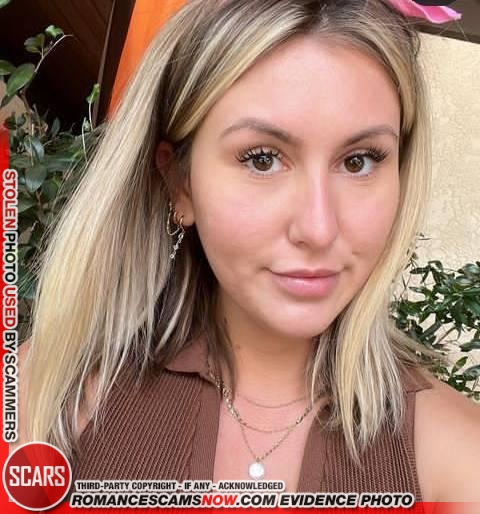
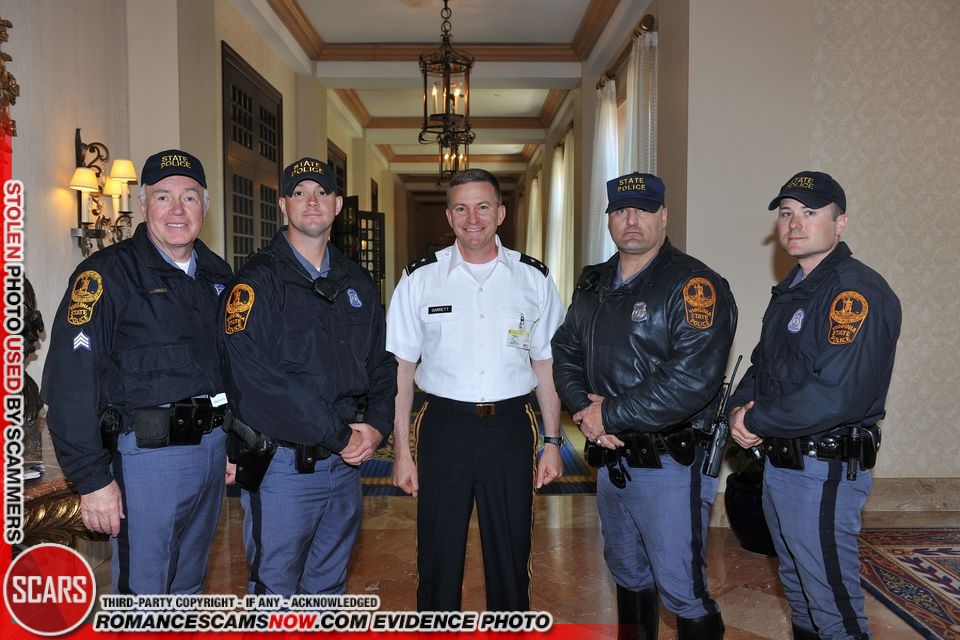
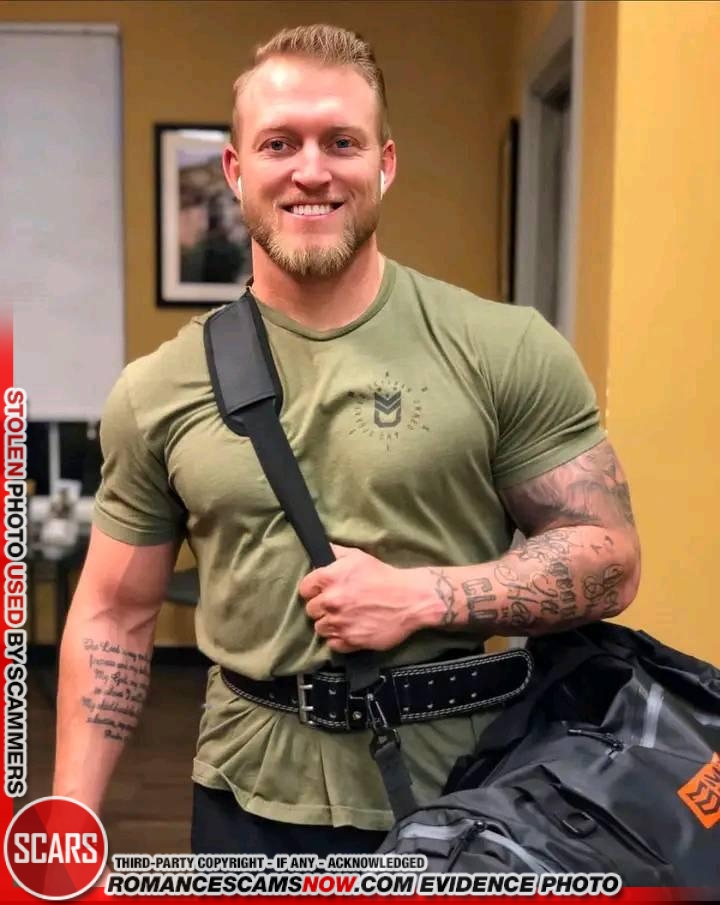
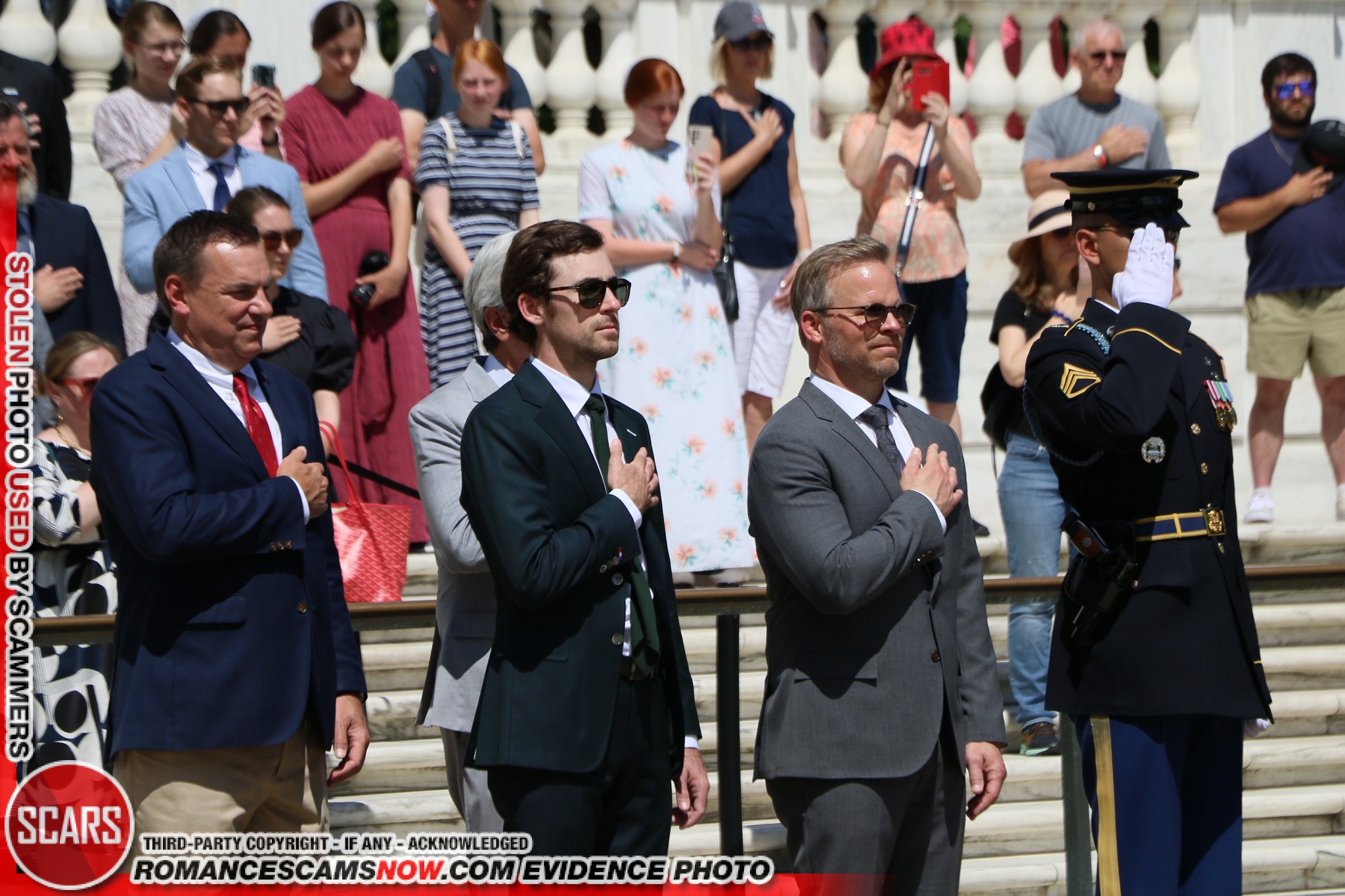
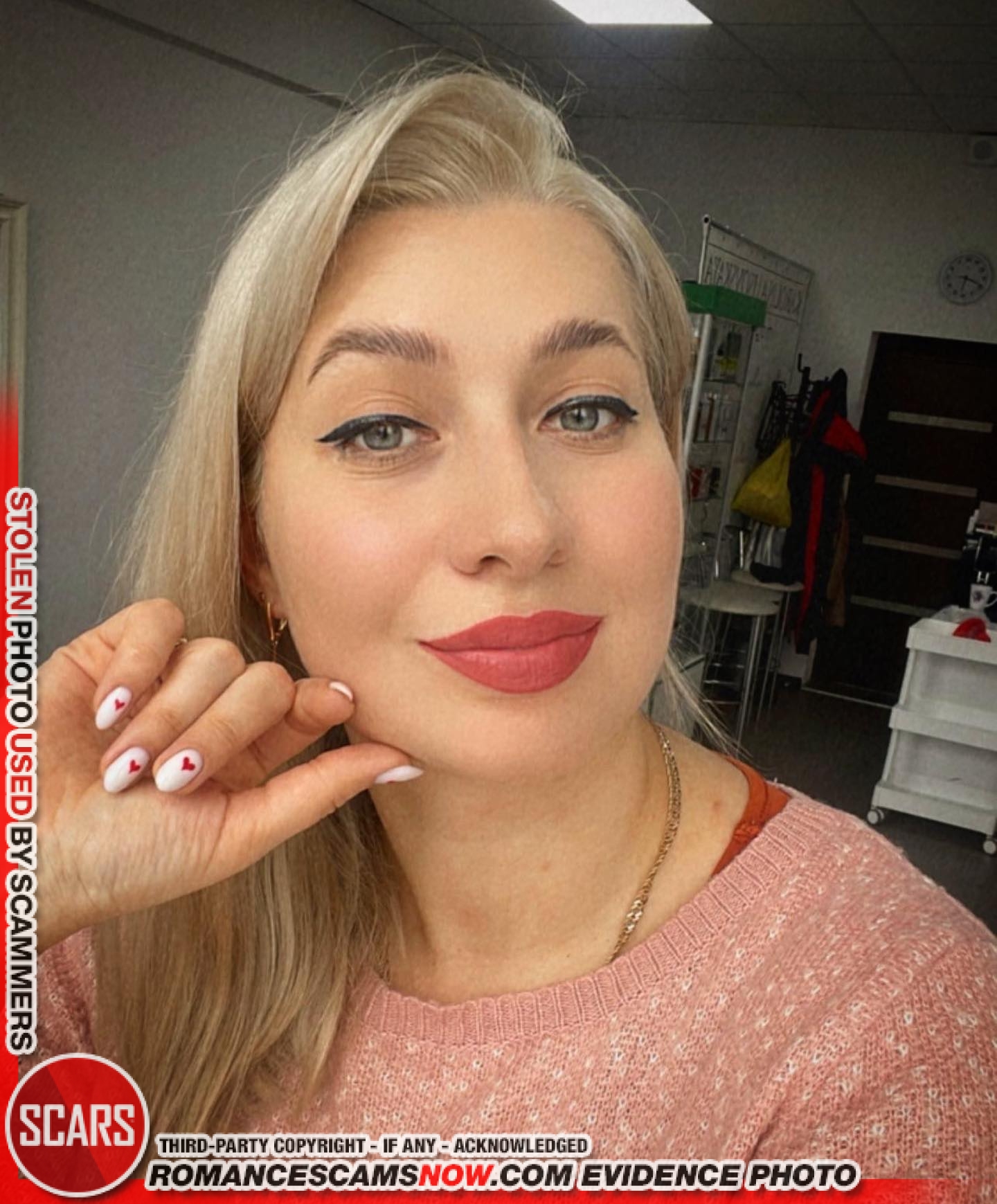
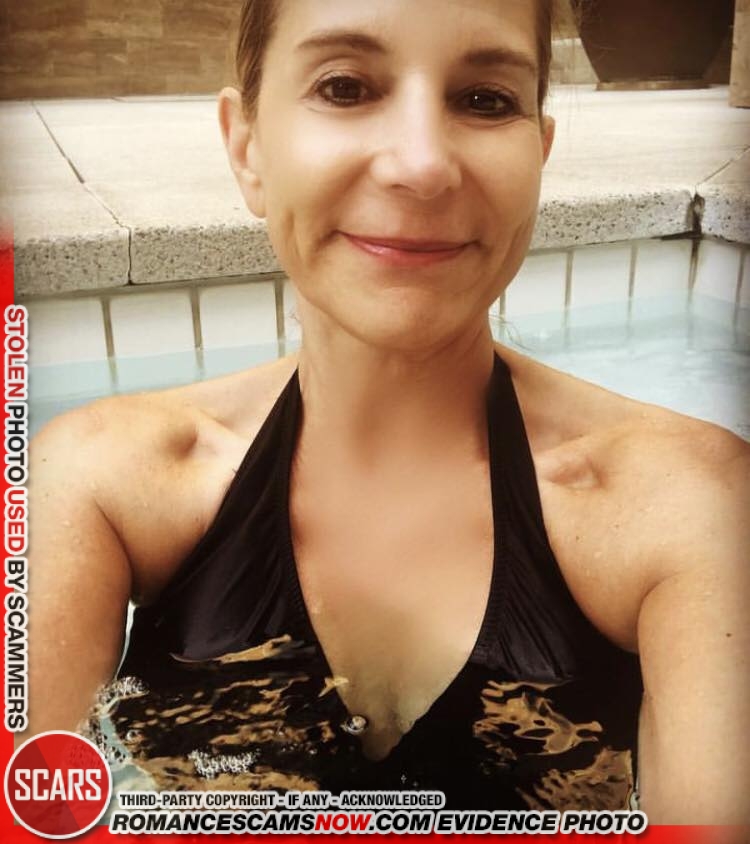
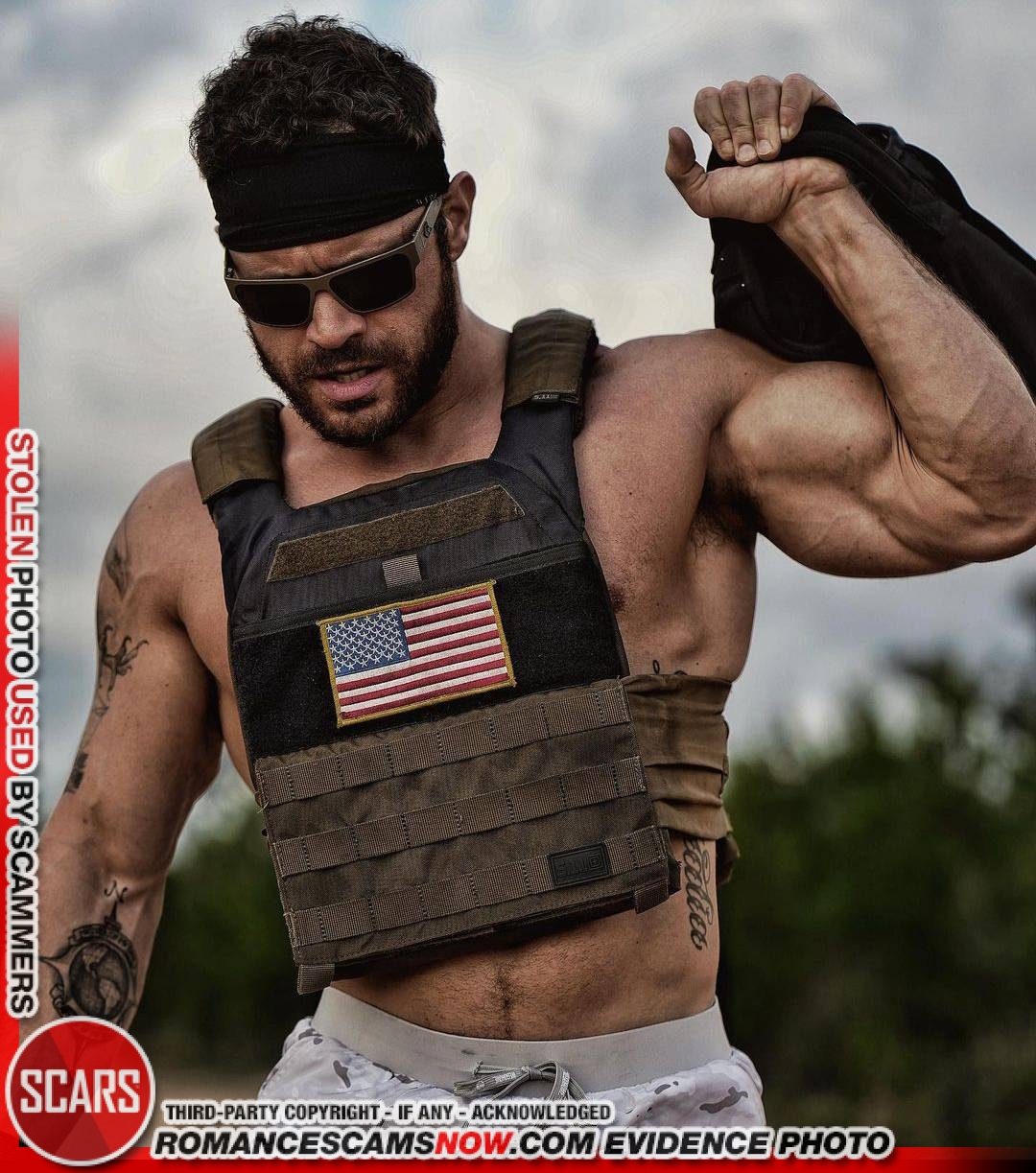
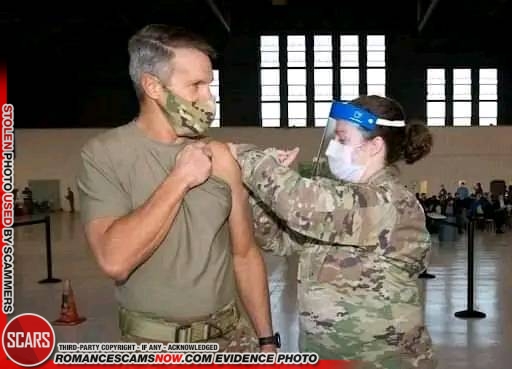
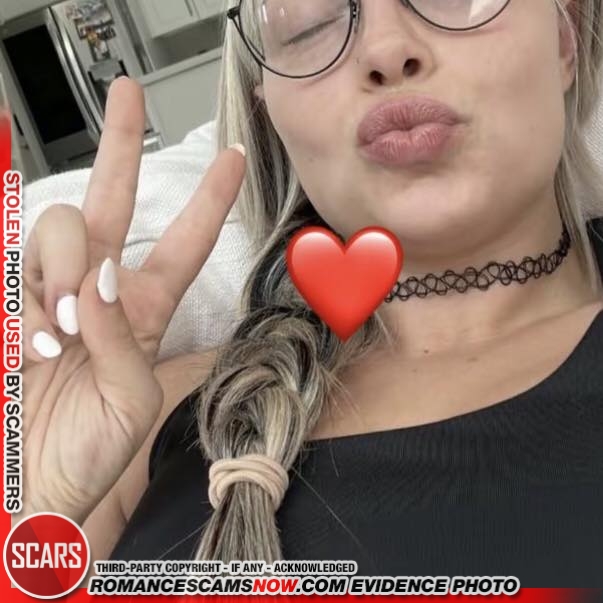
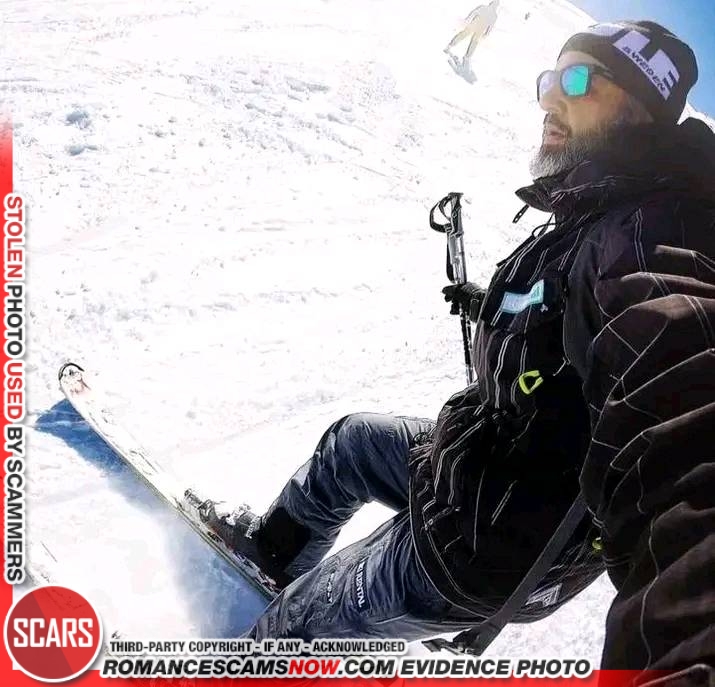
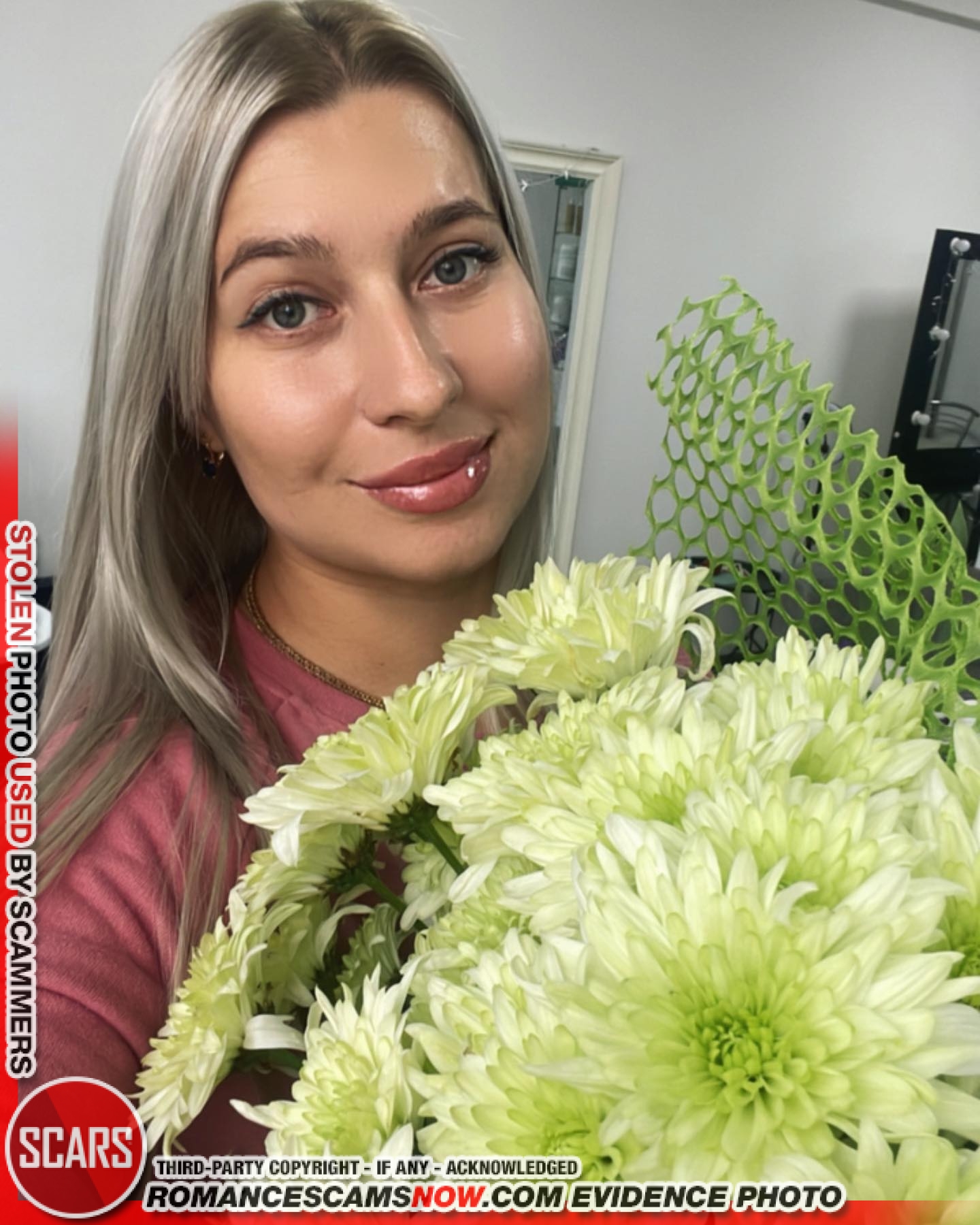
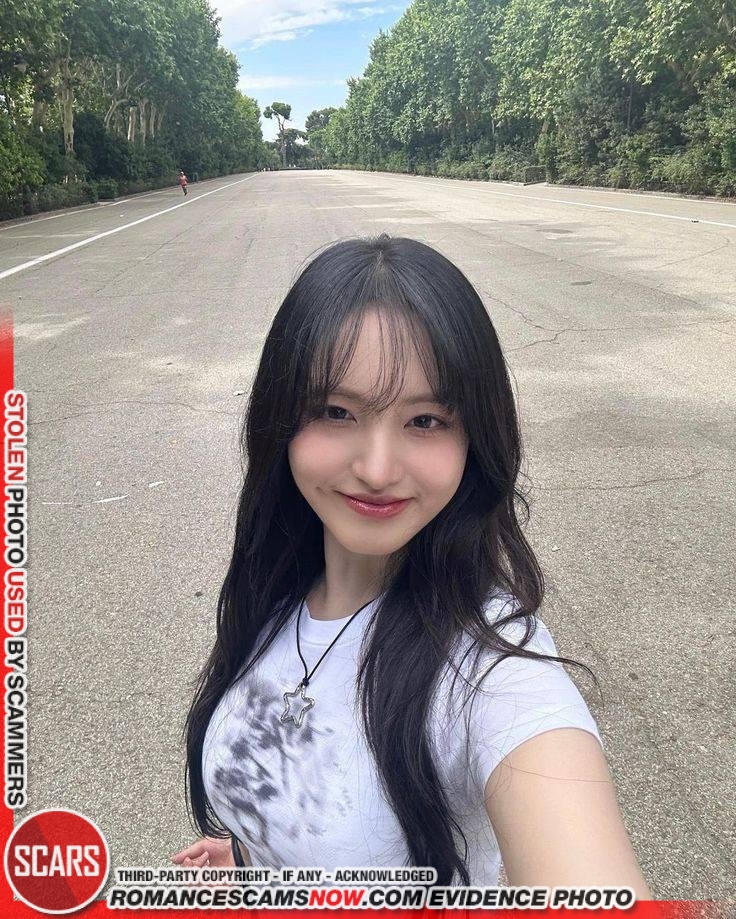
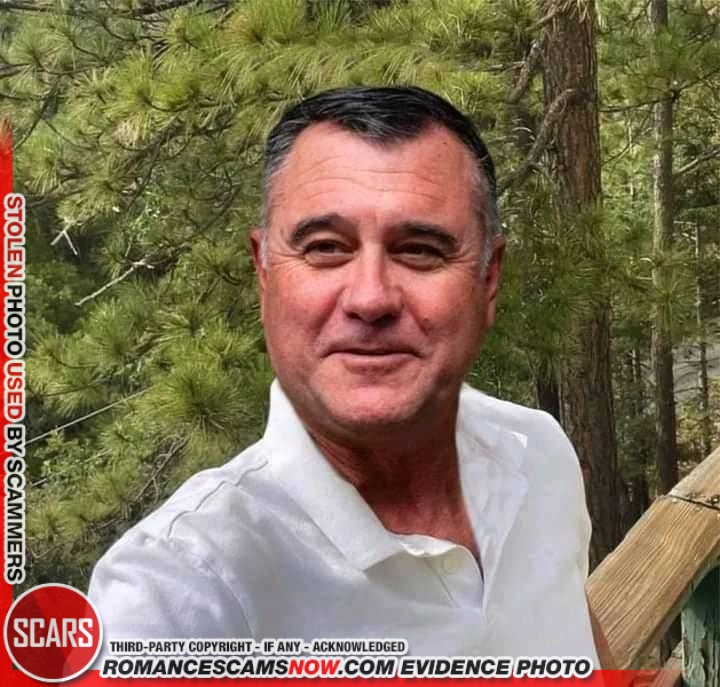
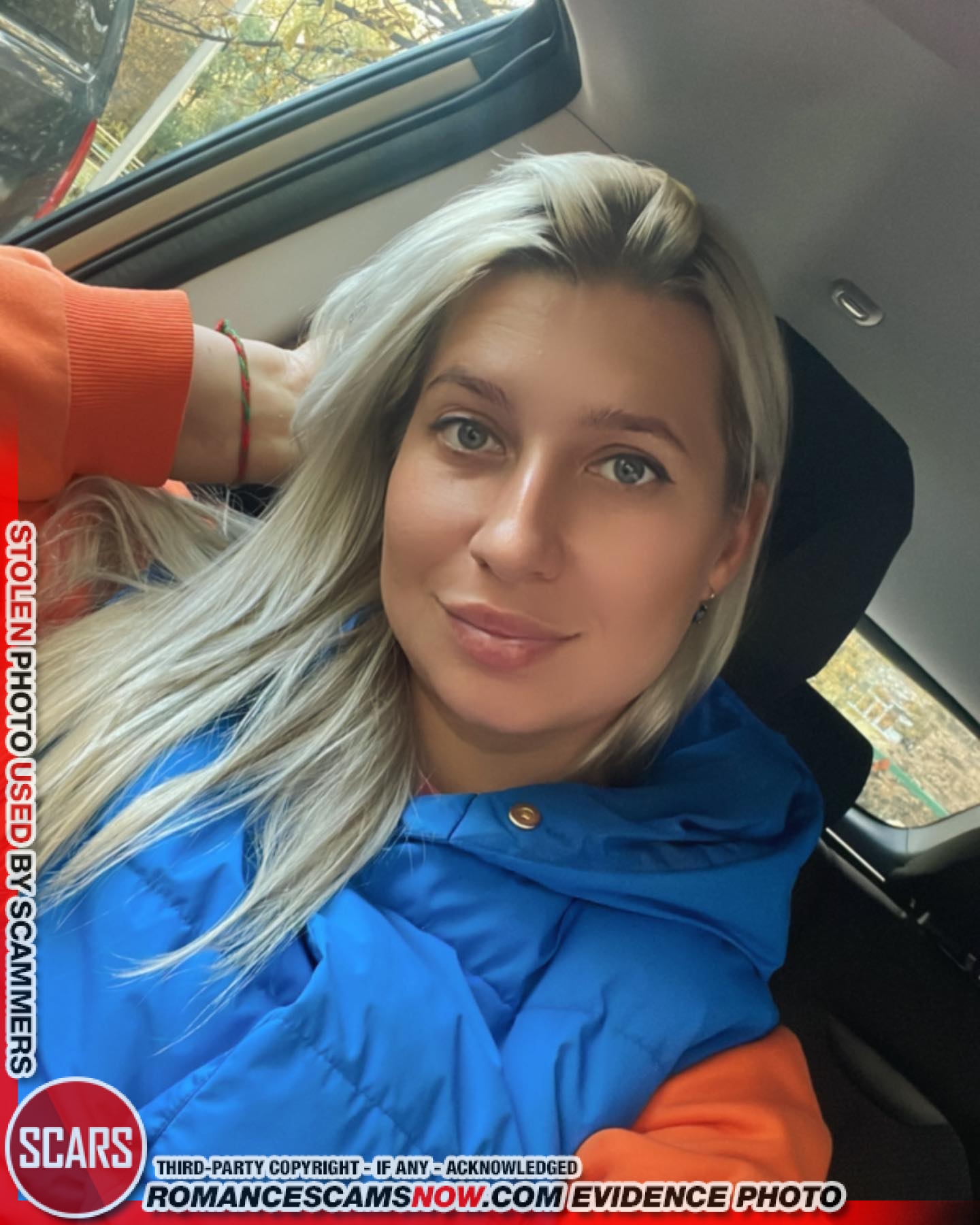
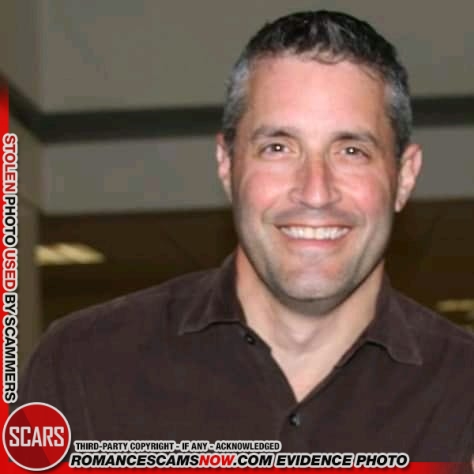
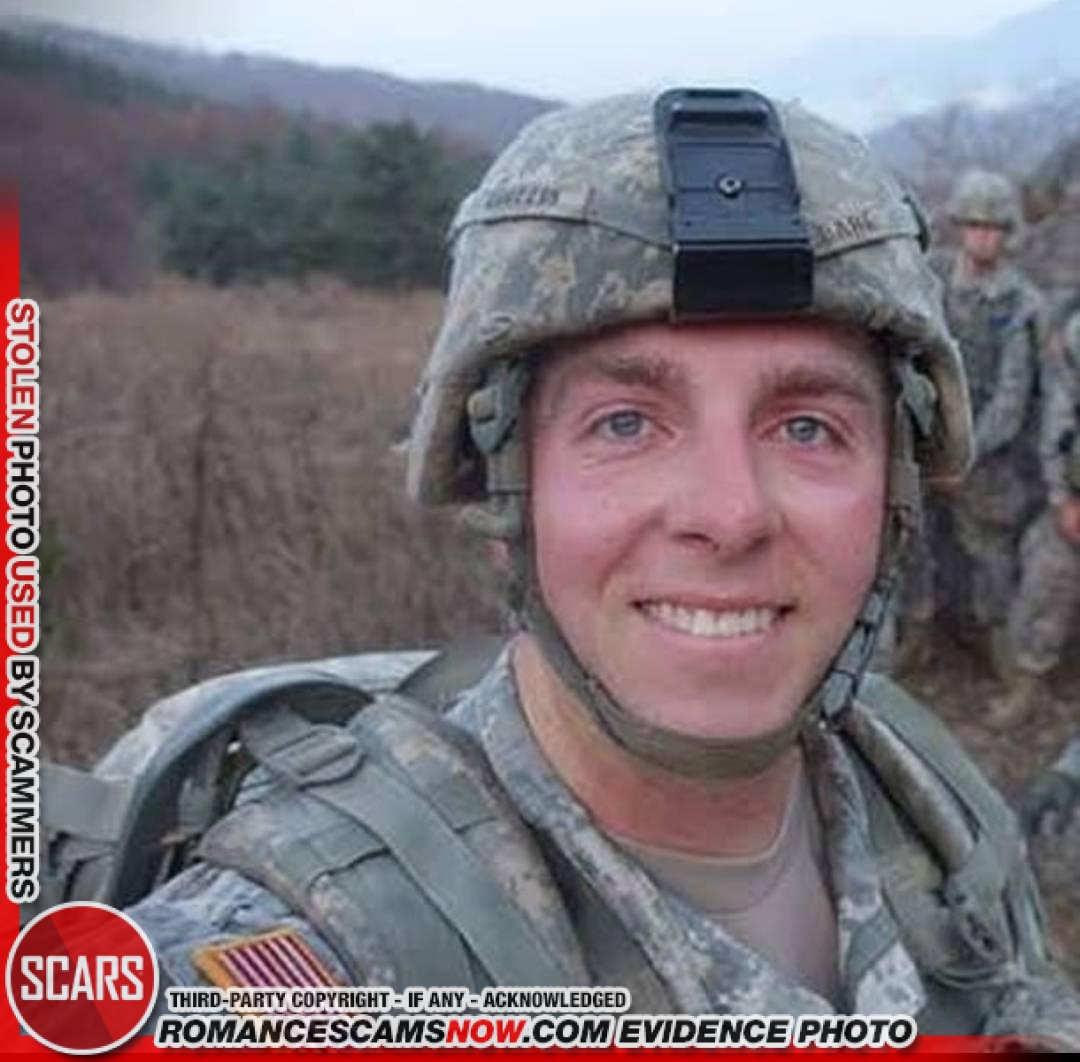
These are stolen photos of real people used by relationship scammers. Each person is also a victim, please to do try to track them down and contact them.
We do not present names because each one has dozens of fake names in use, and in reality, the names do not matter. They are presented to help victims still involved in a scam to recognize the truth and break free. Just keep in mind that on Facebook alone there are estimated to be over one billion fake profiles, so it is impossible to catalog more than a small percentage.
Analysis of Stolen Photos Used by Scammers in Relationship Scams
Analyzing the stolen photos in the context of romance scams or crypto investment scams (pig butchering scams,) we not that here are the characteristics that make these images good or bad choices for use as lures in romance scams:
Characteristics that Make Them Good Lures for Romance Scams:
Attractiveness:
The individuals in the photos appear conventionally attractive, with well-groomed appearances, fit physiques, and stylish clothing. This can appeal to a wide audience.
These qualities create the illusion of an ideal partner, especially for victims who might be emotionally vulnerable.
Relatability and Approachable Appearance:
Many of the individuals display friendly smiles and open body language, giving an impression of warmth and approachability.
Some images show casual settings, such as outdoor leisure areas or personal spaces, which can make them feel more relatable and trustworthy.
Affluence or Lifestyle Appeal:
Settings such as luxurious locations (e.g., yachts, scenic views, or well-decorated interiors) imply financial stability and an appealing lifestyle.
Accessories like watches, ties, or designer clothing subtly signal wealth, a common lure for victims attracted to financial security.
Diverse Age Range and Styles:
The photos display a variety of ages, ethnicities, and personal styles, which allows scammers to tailor profiles to specific target audiences.
For example, a mature man in professional attire might appeal to victims seeking stability, while younger, casually dressed men might appeal to those seeking more relaxed relationships.
Perceived Authenticity:
The casual nature of some images (e.g., selfies in cars or professional-looking photos with bookshelves) lends a sense of realism, making the profiles seem less suspicious.
Including backgrounds that look ordinary (e.g., urban areas or homes) increases believability.
Versatility in Messaging:
These images can easily be paired with narratives about professionals (e.g., doctors, businessmen, or engineers) or charming travelers, making them flexible for scammers to use across different schemes.
Characteristics That Could Make Them Bad for Romance Scams:
Too Polished or Overly Perfect:
If the images appear excessively professional or curated (e.g., overly staged photos), they might raise suspicion. Victims are becoming increasingly aware of “too good to be true” profiles.
Inconsistencies in Settings:
Scammers who use multiple images with inconsistent settings (e.g., an office vs. a luxury yacht) might confuse or alert victims to potential deception.
Lack of Diversity in Context:
Photos that don’t show hobbies, family, or other personal touches might feel less genuine and relatable, reducing their effectiveness.
Risk of Exposure:
If the images are sourced from public profiles or stock photo websites, reverse image searches can easily reveal their origin, increasing the chances of the scam being exposed.
Overall Analysis
These photos are highly effective as lures due to their combination of attractiveness, relatability, and the lifestyle they suggest. Scammers can craft compelling stories around these images to build trust and emotional connections.
However, the growing awareness of romance scams and tools like reverse image search can limit the effectiveness of such images, especially if inconsistencies or unrealistic elements are detected.
To avoid falling victim to such scams, individuals should always verify identities through video calls or other methods and remain cautious of anyone unwilling to provide verifiable evidence of their claims.
How Scammers Select Photos for Relationship Scams: A Look into the Minds of Scammers Engaged in Pig Butchering and Romance Scams
In relationship scams, particularly those linked to “pig butchering” schemes or romance scams, scammers rely heavily on carefully chosen photos to create fake profiles that attract and manipulate victims. These images are not selected randomly; they are intentionally curated to serve the scammer’s goal of building trust, forming emotional connections, and crafting an illusion of an ideal partner. Here’s how and why scammers choose specific types of photos for these fraudulent schemes.
Characteristics Scammers Look for in Photos
Attractiveness
Scammers prioritize photos of individuals who are conventionally attractive, as physical appeal is often the first hook that captures a victim’s attention. This doesn’t always mean “model-level” beauty but includes clean-cut, well-groomed, and approachable appearances.
The chosen photos often align with societal standards of beauty, making them universally appealing.
Approachability and Relatability
Photos that feature warm smiles, relaxed body language, or candid settings make the person appear friendly and trustworthy. These elements create the illusion of an approachable individual who can be easily connected with on an emotional level.
Casual settings, such as someone at a café, outdoors, or engaging in hobbies, make the images feel more authentic and less staged.
Implied Lifestyle and Success
Scammers often use photos that subtly showcase wealth or stability, such as images featuring expensive watches, yachts, upscale locations, or professional attire. These pictures suggest the person is financially secure, which appeals to victims seeking stability or an aspirational partner.
Conversely, scammers may also include relatable, modest settings (e.g., someone hiking or playing sports) to tailor their profiles to victims who value humility and shared interests.
Variety for Versatility
To target a wide range of victims, scammers choose photos across different age groups, ethnicities, and styles. For instance:
-
-
-
- A professional headshot might appeal to someone looking for a stable, career-oriented partner.
- A younger, casually dressed person might attract someone seeking a more laid-back relationship.
- Scammers curate images to match the demographics of their target audience, including gender preferences, age ranges, and cultural expectations.
-
-
Contextual Realism
Scammers pick photos that appear realistic and relatable, rather than overly glamorous or professional. Images with natural settings, such as someone sitting in a park, enjoying a family gathering, or at work, make the profile seem genuine.
The goal is to avoid suspicion by making the photos feel like they belong to a real person living an ordinary life.
Sources of Photos Used in Scams
Stolen Social Media Images:
Scammers frequently steal photos from public social media profiles. These include pictures of real individuals who are unaware that their images are being misused. Scammers prefer accounts with a variety of personal photos that show the person in different contexts.
Stock Photos:
When targeting victims unlikely to perform reverse image searches, scammers may use stock photos featuring models. However, these are less common because savvy victims can easily identify them with tools like Google Images.
Dating Sites or Professional Websites:
Scammers may harvest images from dating profiles, professional networking platforms, or public websites. Photos of professionals such as doctors, engineers, or entrepreneurs are popular as they align with common scam narratives about affluent, stable individuals.
Generated Images:
In more sophisticated scams, scammers may use AI-generated images that mimic real people. These eliminate the risk of reverse image searches exposing their fake identities.
Psychological Tactics Behind Photo Selection
Targeting Victims’ Emotional Vulnerabilities:
The photos are carefully selected to resonate with victims’ personal desires, fantasies, or unmet needs. For example, someone seeking companionship may be drawn to photos that depict warmth and empathy, while others may be swayed by the allure of success or adventure.
Matching the Narrative:
Photos must align with the backstory the scammer creates. For example:
-
-
-
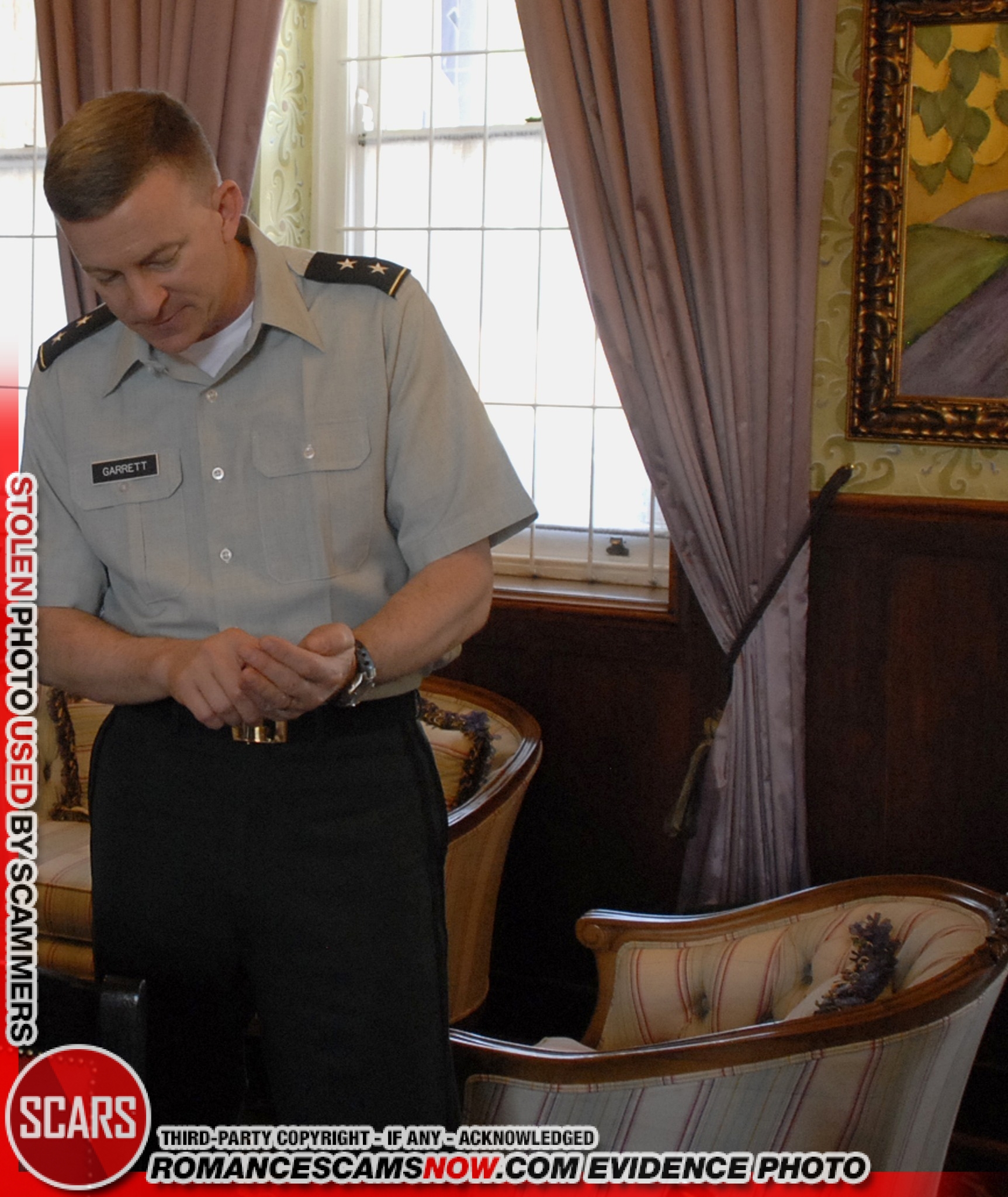
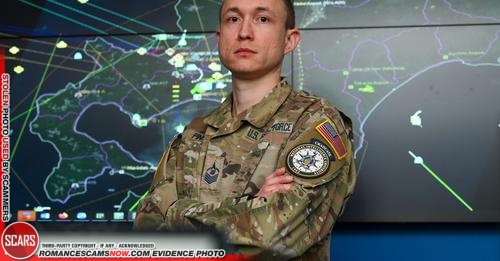
- A scammer pretending to be a military officer might use photos of someone in uniform.
- A “successful entrepreneur” persona would feature images in business settings or exotic travel destinations.
-
-
The consistency between the photos and the fabricated story helps build credibility and trust.
Playing on Aspirations:
Scammers often select photos that project an idealized version of life—whether it’s wealth, adventure, or emotional stability. This makes victims feel as though they’ve found someone extraordinary, lowering their guard and making them more susceptible to manipulation.
Red Flags for Victims
Photos That Seem “Too Perfect”:
A profile with pictures that look overly polished, professional, or glamorous might indicate a scam. Real people usually have a mix of candid and casual photos.
Inconsistencies in Context:
If the photos show a wide range of settings or drastically different appearances, it could suggest that the images were stolen from multiple sources.
Limited Photos:
Scammers often use only a few images to avoid detection, so profiles with just one or two pictures should raise suspicion.
No/Limited Social Media Footprint:
A lack of verifiable presence on other platforms, or photos that don’t match any known accounts, could indicate a fake profile.
Impact of Effective Photo Selection
The right photos are a critical tool for scammers because they establish the first layer of trust. Combined with well-crafted narratives and emotional manipulation, they help scammers build connections with their victims quickly. By understanding these tactics, individuals can better protect themselves and others from falling prey to these schemes.
Review
The photos used in pig butchering and romance scams are meticulously chosen to exploit emotional vulnerabilities, build credibility, and support the scammer’s fabricated story. These images serve as the bait that lures victims into a web of deception, making it crucial for individuals to scrutinize online profiles carefully. By recognizing the signs of stolen or staged photos and verifying identities through independent means, people can reduce their risk of becoming victims in these elaborate schemes.
Make Sure You Report These Crimes
Visit reporting.AgainstScams.org to learn how to properly report scams/fraud/cybercrime and scammers/criminals
Learn and Recover
More important than stolen photos is your recovery from these crimes.
- New Victims, please go to www.ScamVictimsSupport.org to begin and find out why this happened to you!
- If you want to truly learn about these crimes and their impact on victims please enroll in the SCARS Institute free Scam Survivor’s School at www.SCARSeducation.org
- To sign up for recovery support services go to support.AgainstScams.org
We are here to HELP!













































































































































































































SCARS Scammer Preferencing Study
SCARS is conducting a long-term study of the ways that impersonation criminals preference the photos they select. It is important to understand why scammers choose the photos they do. Remember that these criminals select a limited number of images to be used in their impersonations and why they choose them can help both in training AI to recognize these choices and also alert victims about them when they see them in profiles and contacts online.
For example, we have learned that scammers are victims of their own cognitive biases just like their victims. They tend to select images that reflect what they believe will be disarming and trustworthy. Photos with animals, for example, trigger an amygdala hijack in their victims. Photos of people doing normal things tend to communicate that the people in those photos are normal and trustworthy. But those same biases in the criminals also lead them to select images that represent what they hope to accomplish, such as wealth, if you know what to look for.
Every stolen photo on this site is a part of this scholarly study and contributes to the volume of knowledge we obtain from them. To learn more about the current SCARS research visit study,AgainstScams.org To add photos that you have collected from these criminals to our work visit www.AnyScam.com
For more, see our SCARS Institute Statement on the Use and Display of Stolen Photos in Scam Awareness and Crime Prevention Efforts – 2024
-/ 30 /-
What do you think about this?
Please share your thoughts in a comment below!
Table of Contents
To Understand All Scams
Read This
The SCARS Institute Relationship Scams Formula Checklist
This is the Formula that all Relationship Scams Follow




In the U.S. & Canada
U.S. & Canada Suicide Lifeline 988

Recent Comments
On Other Articles
- Barbara on SCARS Institute – Romance Scam Simulator: “Fantastic! I have to go to bed, but I’ll do some more tomorrow. I picked an easy scenario tonight, but…” Oct 9, 18:01
- on United States – Federal Bureau of Investigations [FBI]: “It is only that way because of the shame you feel. The reality is that it was not your fault.…” Sep 30, 15:36
- on United States – Federal Bureau of Investigations [FBI]: “yhisis humiliating experience e and isembarassassing to to own up to peolealreadyassume u are not to bright because Arnold and…” Sep 30, 12:28
- on United States – Federal Bureau of Investigations [FBI]: “should be better known by public live in assisiwdlivi g apartment many manyinstancresof Romance scams here ano.us ederly l” Sep 30, 12:24
- on Is It A Scam? Phone Scam Diagnostic – v1: “I tried the this test Is it a phone scam? Mine was. I think this is a helpful tool to…” Sep 30, 10:34
- on Is It A Scam? Romance Scam Diagnostic – v2: “Carole, as you move forward with your recovery, you will learn how this all works. It was not your fault.…” Sep 29, 17:37
- on Is It A Scam? Romance Scam Diagnostic – v2: “I was blinded by such clever manipulation” Sep 29, 15:15
- on The SCARS Institute Relationship Scams Formula Checklist – 2026: “As I read this I could see myself in every step with my scam. I gained a lot more knowledge…” Aug 28, 19:51
- on The Persistence of Danielle Delaunay as a Fake Identity – 2026: “Unfortunately, you are being scammed. She is using a fake name regardless. At this point, your best option is to…” Aug 26, 20:16
- on The Persistence of Danielle Delaunay as a Fake Identity – 2026: “Dear Sirs, I have met this woman with the name Abigail Boateng in Ghana. I have an intensive mail contact…” Aug 26, 12:28

Thank you for your comment. You may receive an email to follow up. We never share your data with marketers.