


SCARS Institute’s Encyclopedia of Scams™ Published Continuously for 25 Years
Understanding DNS: Changing DNS Server Settings On Your Device For Improved Safety, Privacy, & Cybersecurity
This article is going to talk about DNS – something buried deep inside the Internet and something most users will never see. However, it can have a massive impact on your online safety and cybersecurity.
This may seem very technical and it is, but most users can actually make this change themselves just by following instructions.
DNS Introduction
When you type a website’s name into your browser, it’s not as simple as it seems. The Domain Name System (DNS) translates that name into a numeric IP address that computers understand. This translation allows you to access the desired web server. But why should you care about DNS? Well, it plays a crucial role in your online security, privacy, and even the speed of your internet surfing.
What Do DNS Servers Do?
Computers speak in numbers, but we prefer using memorable website names like pcmag.com. DNS servers act as translators, converting these names into numeric IP addresses, enabling our devices to reach the correct servers.
Change DNS Servers?
Your device usually sets up your DNS servers to work with your Internet Service Provider (ISP) but these servers are not always optimal or especially safe.
Slow DNS servers can drag down your internet speed, especially when loading pages with content from various domains like ads. Switching to faster DNS servers can speed up your browsing, but more importantly, switching can also keep you much safer online – this is not a ‘nice to have’ – this is a MUST HAVE!
Under the Hood for Security & Safety
The DNS server setting impacts your device security in several ways. DNS stands for Domain Name System, which is a service that translates human-readable domain names (such as www.AgainstScams.org) into numerical IP addresses (such as 254.254.254.254) that computers can understand. DNS servers are the ones that perform this translation service.
By default, your device uses the DNS server provided by your Internet Service Provider (ISP), which may not be very secure or private. Your ISP can see and log all the websites you visit and may use this information for advertising or other purposes and may restrict or slow down some services, such as streaming video. A malicious DNS server can also redirect you to fake or harmful websites, or block access to certain websites.
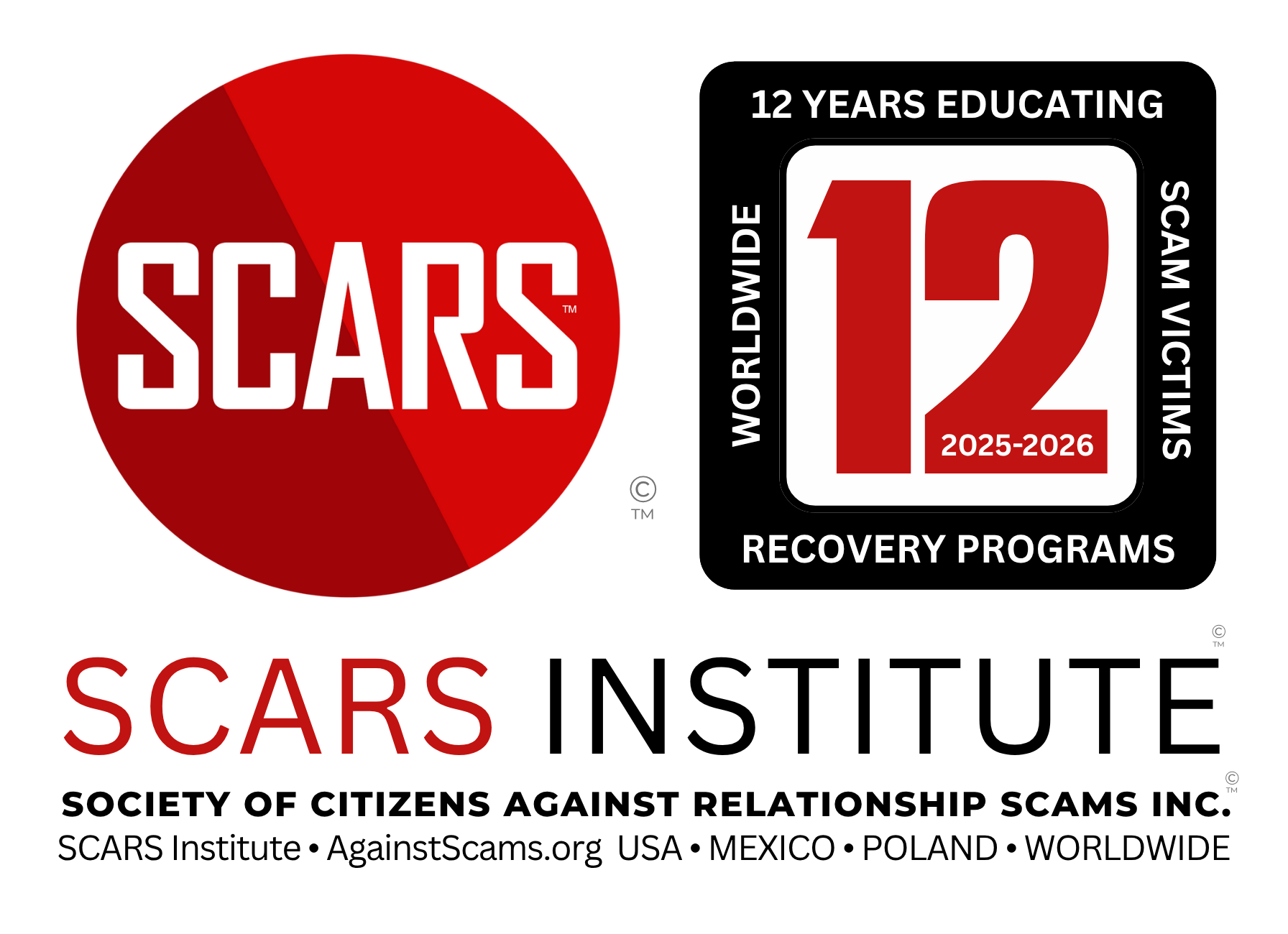
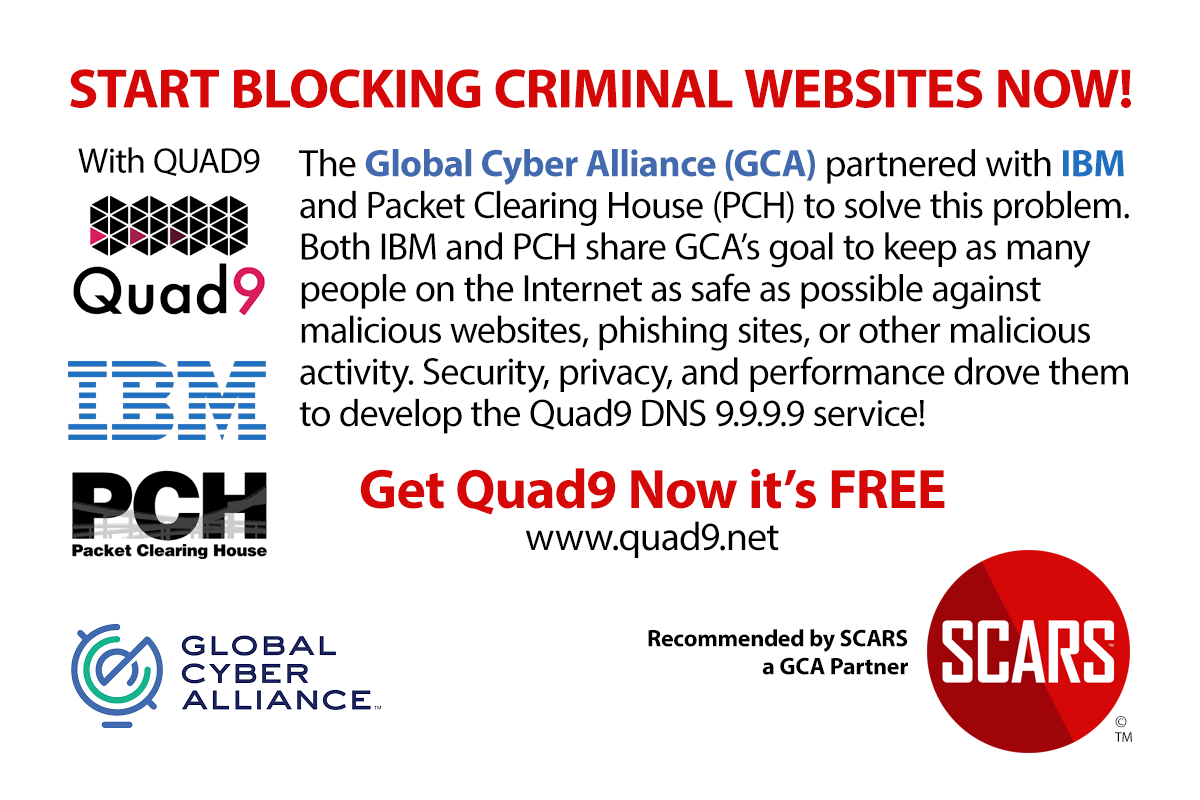
Some businesses offer specialized DNS services, such as what SCARS recommends: Quad9. They filter out harmful websites, blocking them before reaching employees’ browsers. Additionally, DNS-based parental controls help limit children’s access to inappropriate content across all devices. Also, importantly, this is FREE! It is not a service you must subscribe to. In the case of QUAD9 it is based by IBM and the Global Cyber Alliance so it is not going away! [Note SCARS is a Global Cyber Alliance Partner!]
Why Changing Servers Must Be Done For Your Online Safety
To improve your device security, you should change your DNS server to a more secure and reliable one, such as Quad9 DNS. Their DNS servers offer features such as encryption, malware protection, phishing prevention, and content filtering. They also support DNS over HTTPS (DoH), which is a protocol that encrypts your DNS queries and prevents third parties from snooping on them.
Here’s why you might want to change your DNS servers:
- More security: Some DNS servers offer additional security features, such as filtering out malicious websites or preventing DNS hijacking and cache poisoning attacks.
- Privacy: Your ISP can see what websites you visit through their DNS servers. Some people prefer to use a different DNS server to keep their browsing history private.
Privacy Concerns with DNS Servers
When you browse the internet, your ISP’s DNS servers see every domain you visit. Some ISPs use this to their advantage by redirecting your browser to an ad-laden page when you mistype a web address. This might seem harmless, but it compromises your privacy by sharing your browsing habits. Also, some ‘typo’ domains (domain names deliberately off a character or two) are malware delivery sites.
DNS Threats: Phishing and Cache Poisoning
Phishing scams involve fake websites that mimic legitimate ones, aiming to steal login credentials. By manipulating DNS caches, attackers can direct you to fraudulent sites without altering the address bar, making it difficult to spot the scam. Cache poisoning and DNS hijacking are techniques these scammers use to deceive users.
Understanding these DNS threats and the potential downsides of using default DNS servers provided by your ISP can help you make informed decisions about your online security and privacy. Changing your DNS server to more reliable and secure options can greatly enhance your internet experience, ensuring a faster, safer, and more private browsing experience.
Summary
It is essential to change your DNS to a safer alternative, such as QUAD9. The best feature of Quad9 is that it prevents your browser from visiting dangerous domains and websites.
To learn more about Quad9 visit www.quad9.net
More About Changing Your DNS Settings:
- Quad9 | A public and free DNS service for better security and privacy
- Quad9 Connect – Get Quad9 on Android Phones Easily – Use Official Quad9 App
- How (and Why) to Change Your DNS Server | PCMag
- How to change Windows DNS server settings | PDQ
- Change DNS settings on Mac – Apple Support
- How to change DNS Settings on iOS? – Help & Support | Lightspeed Kounta POS
-/ 30 /-
What do you think about this?
Please share your thoughts in a comment below!
Table of Contents
To Understand All Scams
Read This
The SCARS Institute Relationship Scams Formula Checklist
This is the Formula that all Relationship Scams Follow





In the U.S. & Canada
U.S. & Canada Suicide Lifeline 988

Recent Comments
On Other Articles
- Barbara on SCARS Institute – Romance Scam Simulator: “Fantastic! I have to go to bed, but I’ll do some more tomorrow. I picked an easy scenario tonight, but…” Oct 9, 18:01
- on United States – Federal Bureau of Investigations [FBI]: “It is only that way because of the shame you feel. The reality is that it was not your fault.…” Sep 30, 15:36
- on United States – Federal Bureau of Investigations [FBI]: “yhisis humiliating experience e and isembarassassing to to own up to peolealreadyassume u are not to bright because Arnold and…” Sep 30, 12:28
- on United States – Federal Bureau of Investigations [FBI]: “should be better known by public live in assisiwdlivi g apartment many manyinstancresof Romance scams here ano.us ederly l” Sep 30, 12:24
- on Is It A Scam? Phone Scam Diagnostic – v1: “I tried the this test Is it a phone scam? Mine was. I think this is a helpful tool to…” Sep 30, 10:34
- on Is It A Scam? Romance Scam Diagnostic – v2: “Carole, as you move forward with your recovery, you will learn how this all works. It was not your fault.…” Sep 29, 17:37
- on Is It A Scam? Romance Scam Diagnostic – v2: “I was blinded by such clever manipulation” Sep 29, 15:15
- on The SCARS Institute Relationship Scams Formula Checklist – 2026: “As I read this I could see myself in every step with my scam. I gained a lot more knowledge…” Aug 28, 19:51
- on The Persistence of Danielle Delaunay as a Fake Identity – 2026: “Unfortunately, you are being scammed. She is using a fake name regardless. At this point, your best option is to…” Aug 26, 20:16
- on The Persistence of Danielle Delaunay as a Fake Identity – 2026: “Dear Sirs, I have met this woman with the name Abigail Boateng in Ghana. I have an intensive mail contact…” Aug 26, 12:28

Thank you for your comment. You may receive an email to follow up. We never share your data with marketers.